

Indoor Pickleball Franchises: Comparing the Biggest Players
The next phase of pickleball’s explosive growth isn’t happening on outdoor public courts. It’s happening inside warehouses, retail spaces, and former big-box stores across the country.
Over the past three years, a wave of indoor pickleball franchises has emerged, each betting that players will pay for year-round access, structured programming, and built-in community. With thousands of new courts planned nationwide, companies are racing to scale before the market fully matures.
The business models vary widely. Some focus on performance training environments, others emphasize community-driven clubs, while a few lean into premium, hospitality-style experiences that combine pickleball with social spaces.
Here’s a breakdown of the major players shaping the indoor pickleball franchise market.
The Picklr
Positioning: Performance-driven national franchise
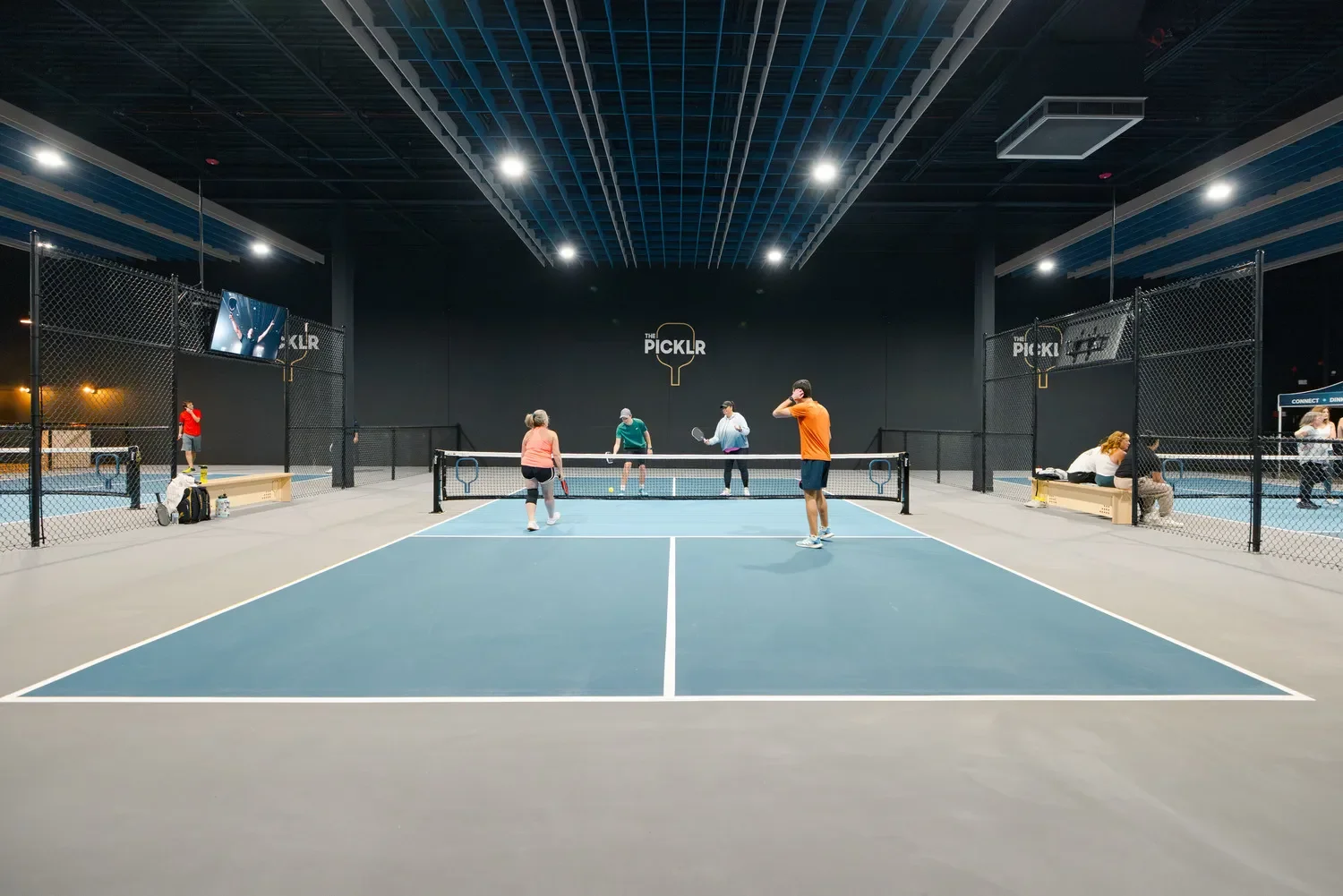
The Picklr has quickly become one of the most recognizable indoor pickleball franchise brands in the country. Founded in 2021, the company has expanded rapidly, opening dozens of locations and selling hundreds of franchise territories across the United States.
The brand positions itself as a serious training environment for players looking to improve their game.
Business Model
The Picklr operates a membership-based club model designed to give players consistent access to indoor courts.
Typical memberships range from roughly $120–$150 per month, depending on location, and often include:
unlimited open play
leagues and tournaments
clinic access
guest passes
Amenities
Facilities typically include:
8–16 indoor courts
professional lighting and surfaces
coaching programs
leagues and tournaments
corporate and private events
Many locations occupy 30,000–60,000 square feet in converted retail or warehouse spaces.
Expansion Strategy
The Picklr focuses heavily on regional developers, allowing multiple locations to open across entire states or regions.
Target Audience
competitive recreational players
tournament players
players focused on skill development
Pickleball Kingdom
Positioning: Large-scale community club
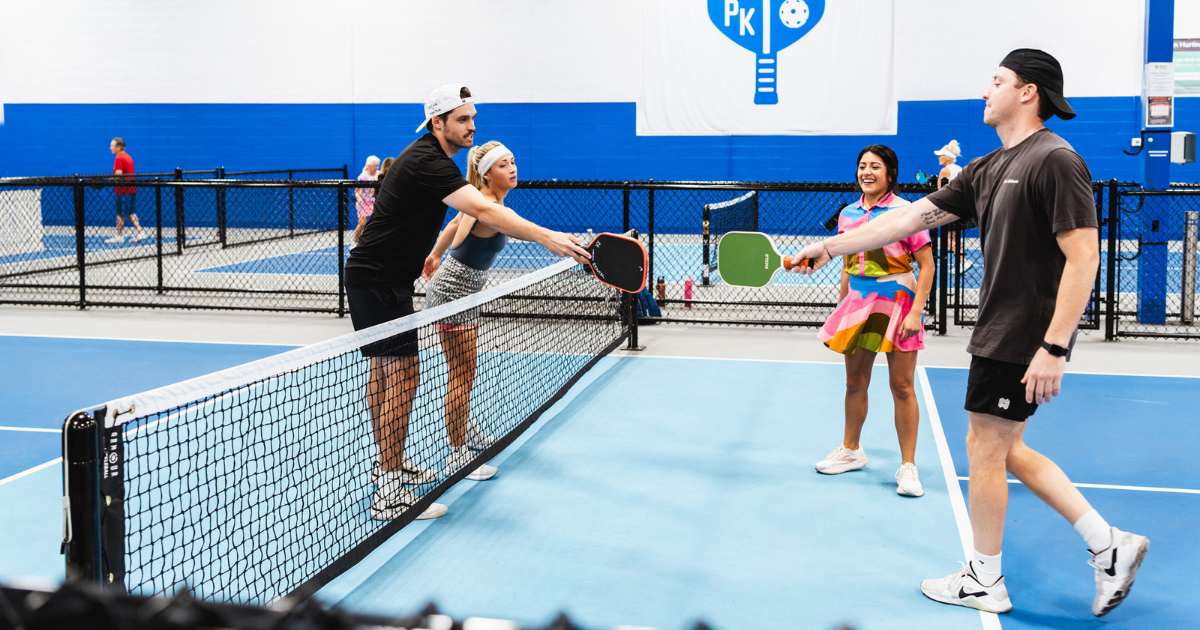
Pickleball Kingdom markets itself as a community-focused indoor club designed to welcome players of all skill levels.
Business Structure
The company operates a franchise model with significant facility investment.
Startup costs are estimated between $850,000 and $2+ million per location, depending on build-out and real estate.
Membership & Programming
Typical offerings include:
open play
leagues and tournaments
lessons and clinics
youth programming
corporate events
Many locations also run beginner classes to help new players learn in a structured environment.
Expansion Strategy
Pickleball Kingdom has expanded into suburban and mid-sized markets where indoor play is limited.
Target Audience
beginner and intermediate players
families
social leagues
Dill Dinkers
Positioning: Community-first pickleball club
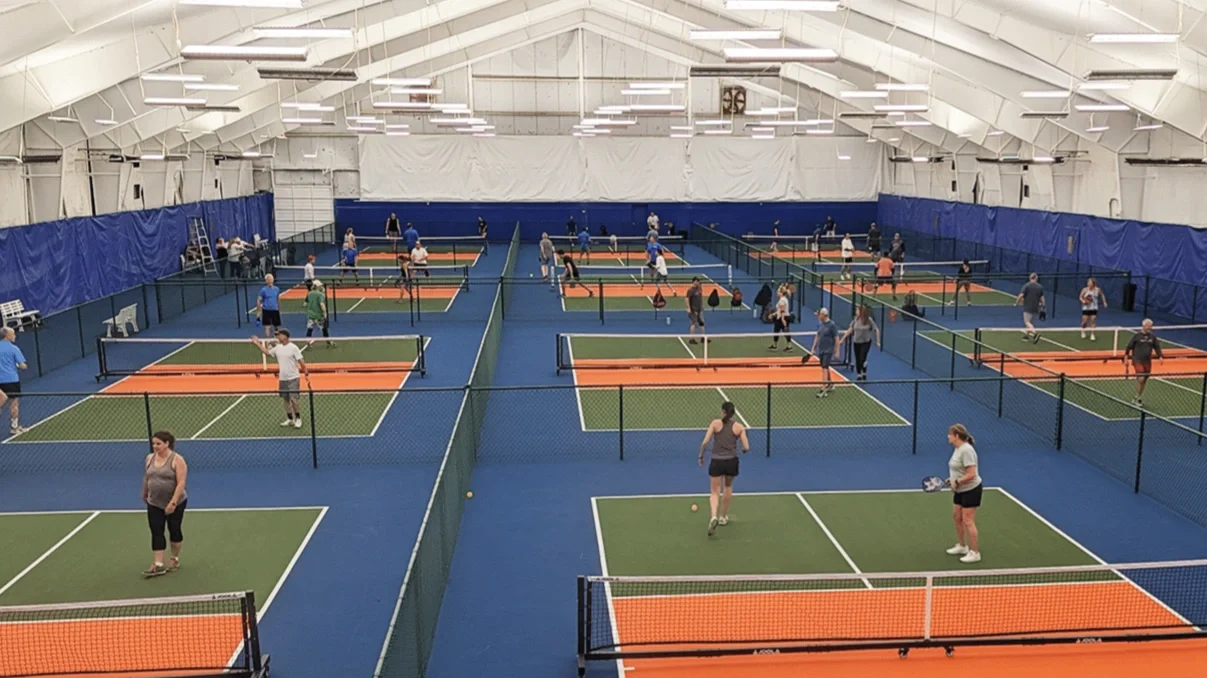
Dill Dinkers has built its brand around a welcoming environment for players of all levels.
Originally established in the Washington, D.C. region, the company has expanded nationally through franchising.
Business Model
Dill Dinkers focuses on smaller, efficient indoor facilities that emphasize programming and accessibility.
Estimated startup costs range from roughly $350,000 to $700,000, making it one of the more accessible franchise options.
Amenities
Facilities often include:
indoor courts
beginner academies
leagues and clinics
lounge spaces and social areas
Some locations offer multi-week beginner programs to help new players ramp up quickly.
Expansion Strategy
Dill Dinkers has sold hundreds of territories and is expanding into major metro markets.
Target Audience
beginner players
recreational players
families and social leagues
Ace Pickleball Club
Positioning: Premium hospitality-driven club
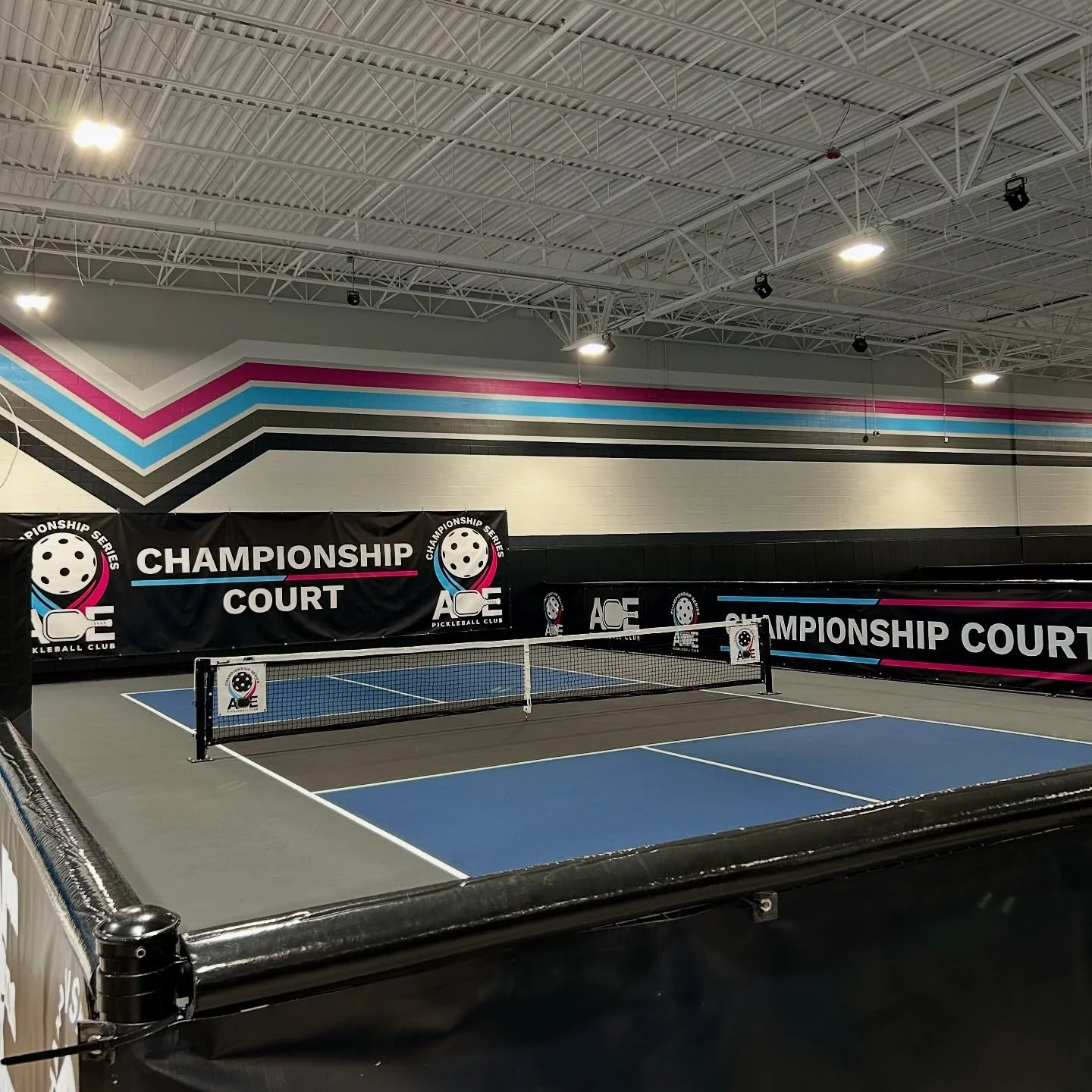
Ace Pickleball Club takes a different approach by emphasizing hospitality and social experience alongside the sport.
Business Structure
The company operates through franchising with startup costs estimated between $900,000 and $1.9 million.
Amenities
Many locations offer:
beginner programs and lessons
social play nights
private coaching
community events
Rather than focusing purely on competition, the brand promotes a social club atmosphere.
Expansion Strategy
Ace has grown through regional developers and smaller club footprints.
Target Audience
social players
newer players
community-focused members
Other Indoor Concepts to Watch
Several other brands are entering the indoor pickleball space with different concepts, including:
PickleRage
The Pickle Pad
Pickleball Social
Many of these venues blend pickleball with entertainment, adding food, drinks, and lounge environments designed to attract social groups.
The Hidden Risks of the Indoor Pickleball Boom
While growth has been rapid, questions are starting to emerge about long-term sustainability.
1. Overbuilding in Secondary Markets
Many franchises are expanding into the same suburban areas, creating potential competition for the same player base.
Large facilities require 30,000–60,000 square feet, making profitability dependent on high court usage.
2. Membership Fatigue
Most clubs rely on monthly memberships ranging from $100 to $150.
That works for frequent players, but casual players may struggle to justify the cost.
Many facilities are offsetting this with:
leagues
lessons
events
drop-in play
3. Real Estate and Build-Out Costs
Startup costs can exceed $1 million due to:
court construction
lighting systems
HVAC
hospitality build-outs
Long-term leases could become a risk if demand slows.
4. Retention and Programming
Facilities with strong programming—leagues, clinics, events—tend to retain members better than those relying only on open play.
Programming may matter just as much as court availability.
What Indoor Clubs Mean for Recreational Players
For most of pickleball’s history, the sport has grown through public parks and open play.
That foundation still represents the majority of where the game is played today.
The rise of indoor franchise clubs introduces a new layer to the ecosystem.
Indoor clubs introduce a new layer.
They offer:
year-round play
structured leagues
coaching
built-in community
But they operate on paid memberships, making them closer to boutique fitness models than public recreation.
Rather than replacing public courts, indoor clubs are likely to complement them.
The Future of Pickleball’s Indoor Boom
The rise of indoor pickleball reflects the sport’s shift from a grassroots activity to structured industry.
Climate-controlled courts, organized leagues, and year-round programming are reshaping how people play.
But the long-term success will depend on one thing:
Can these facilities build communities that feel as accessible and welcoming as public courts?
Because at the end of the day, pickleball still belongs to the everyday recreational player.
