

Should You Use a Two-Handed Backhand in Pickleball?
The two-handed backhand is becoming more common in pickleball—and for good reason. Borrowed from tennis, it adds stability, control, and power, especially on drives and returns.
But it’s not a perfect fit for everyone. In some situations, it can actually hold you back.
So, should you be using it?
Why Players Are Using a Two-Handed Backhand
At its core, the two-handed backhand creates a more stable contact point. With both hands on the paddle, you reduce wrist breakdown and gain more control through the shot.
This shows up most in:
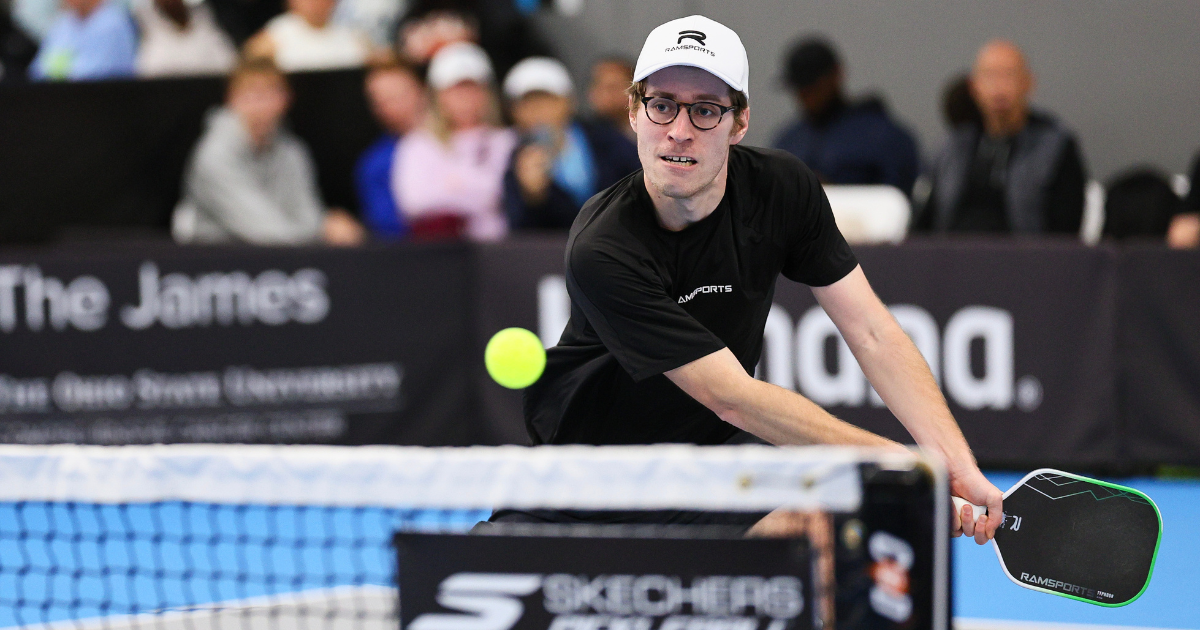
Photo by The APP
Returns of serve → easier to drive the ball deep and consistently
Backhand drives → more power with less effort
Counterattacks → better control against pace
Topspin dinks → easier to generate spin
If your one-handed backhand gets pushed around under pressure, this is where two hands can help immediately.
The Trade-Off: Reach and Flexibility
The biggest downside is simple: you lose reach.
With two hands on the paddle, your range shrinks—especially on wide balls and fast exchanges at the kitchen line.
That can lead to:
Late contact on stretched balls
Difficulty handling wide dinks
Less versatility in emergency situations
At higher levels, where speed and positioning matter more, that reduced reach can become a real limitation if you rely on it too much.
When to Use a Two-Handed Backhand in Pickleball
The two-handed backhand works best when you have time and balance.
Best use cases:
Return of serve (arguably the #1 use case)
Baseline drives and passing shots
Attacking balls that sit up on your backhand side
In these moments, the added stability and power outweigh the loss of reach.
When a One-Handed Backhand Is Better
There are still plenty of situations where a one-handed backhand is the smarter option.
Especially:
At the kitchen line → quick hands + extended reach matter more
Wide balls → you need maximum range
Defensive resets → softer feel and adaptability
Most high-level players don’t pick one or the other—they use both depending on the situation.
Two-Handed Backhand Technique (Simple Tips)
If you’re experimenting with a two-handed backhand, keep it simple:
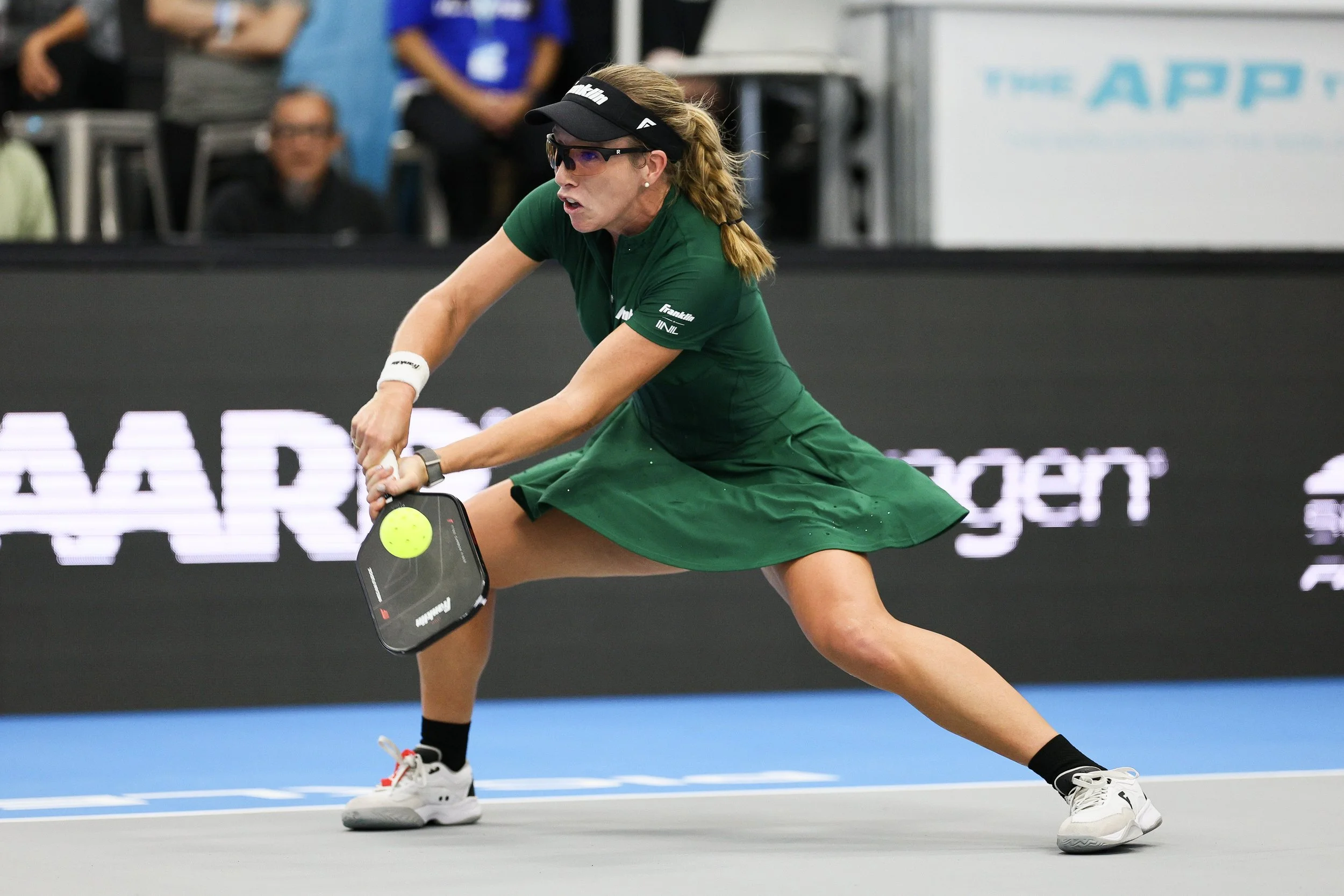
Photo by The APP
Top hand does most of the work—think of it as your dominant driver
Keep your swing compact—no big takebacks
Stay connected—elbows relatively close to your body
Rotate through the shot—don’t just swing your arms
It should feel controlled and repeatable—not forced.
Who Should Use a Two-Handed Backhand?
The two-handed backhand tends to benefit:
Former tennis players (especially with a two-handed background)
Players who struggle with backhand consistency
Anyone looking to add power on returns and drives
If your one-handed backhand is already strong, you may only need two hands in specific situations—not as a full replacement.
The two-handed backhand isn’t a magic fix—but it’s a valuable tool when used correctly.
It can give you more confidence, cleaner contact, and stronger offense on your backhand side. Just don’t rely on it everywhere.
The best players blend two hands for stability and one hand for reach and feel.
The real question isn’t whether should you use it—it’s when.
