

Are Court Fees Killing the Game?
Indoor pickleball has solved a lot of problems for players. Climate control. Consistent schedules. Lighting. Bathrooms. No wind. No rain. For many communities, indoor courts made year-round play possible.
But as more facilities open—and some quietly close—it’s worth asking an uncomfortable question:
Are court fees and rigid booking models slowly turning people away from pickleball?
Access Matters More Than Amenities
Pickleball didn’t grow because it was polished.
It grew because it was accessible.
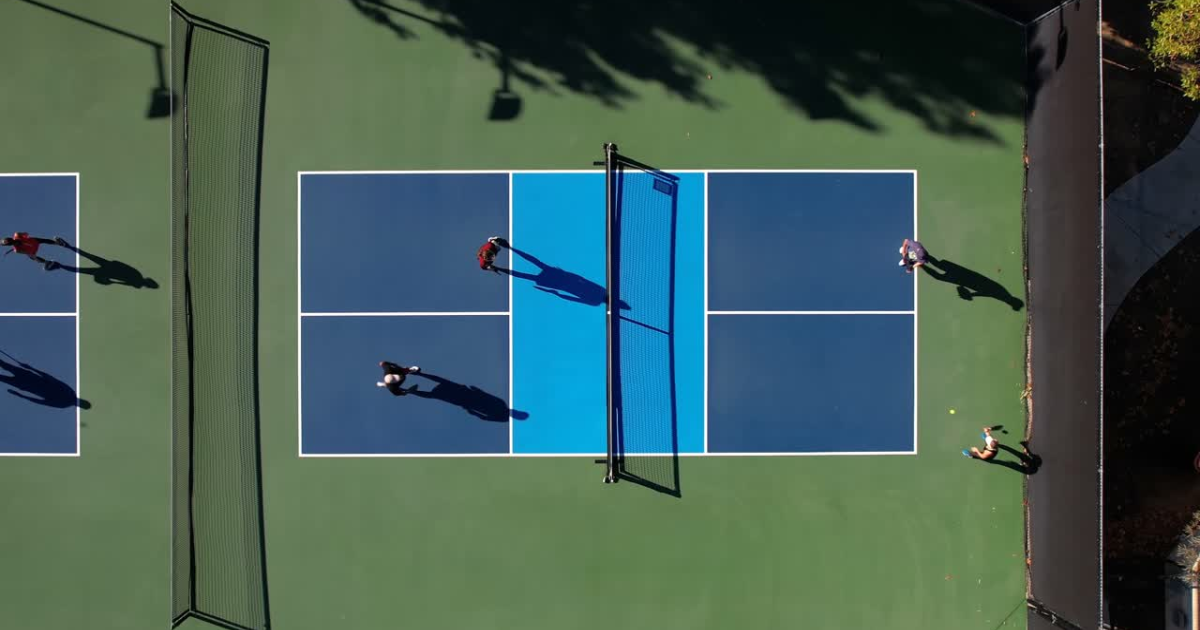
You could show up, put your paddle in a rack, meet new people, and play. No reservations. No spreadsheets. No long-term planning required.
Many indoor facilities now operate on a model that looks something like this:
Required monthly membership
Court rental fees (or discounts if you’re a member)
Some memberships include court time, some don’t
Prime hours booked weeks in advance
On paper, it makes sense. In real life, it creates friction.
The Players This Model Leaves Behind
This isn’t just a “new player” issue. It affects several core groups:
New players who don’t yet understand booking systems
Working adults who can’t plan their schedules 2-3 weeks out
Traveling players who pay more because they’re not members
Social players who don’t want fixed foursomes
Talk to recreational players in Florida, Texas, the Northeast, or the Midwest and you’ll hear the same thing:
“I want to play—but I can’t get on a court when I’m free.”
The Open Play Model Still Works—for a Reason
Contrast that with a simple open play system:
$20 drop-in fee for open play
Set hours both mid-day and/or in the evenings
Paddle rack rotation
This model:
Gets more people on the court
Keeps courts active instead of locked into empty reservations
Lowers the intimidation factor for beginners
Builds community naturally
From an operational standpoint, it also increases court utilization per hour—something hourly bookings don’t always guarantee.
Pickleball isn’t tennis. It’s a social sport. The value isn’t just the court—it’s the rotation.
The Economic Reality Facilities Are Missing
To be fair, indoor facilities do have real costs:
Rent
Insurance
Staffing
Utilities
Predictable revenue matters.
But optimizing solely for hourly court revenue often comes at the expense of lifetime player value.
The players who rotate through open play:
Come back more often
Bring friends
Take lessons
Join leagues
Eventually become members
Maximizing revenue per court hour can look good short-term, but it can shrink your player funnel long-term.
Beginner Clinics Without Access Kill Momentum
Programming is a good thing. Clinics, leagues, ladders, and drills all add real value. Beginner clinics, in particular, do exactly what they’re meant to do—they get new players in the door.
Players leave sweaty, confident, and excited. That moment creates momentum that matters. But, that momentum is fragile.
Beginners are incredibly valuable to any facility. They’re future members, league players, lesson takers, and long-term community builders. When someone brand new to the sport is willing to walk through the door, that’s an opportunity worth protecting.
But too often, that excitement runs straight into a wall.
If a new player finishes a clinic ready to play and is told they need to wait days—or even weeks—for available court time, momentum disappears. What should be a simple next step becomes a barrier. Instead of getting on the court right away, they’re left waiting, frustrated, or confused.
And beginners don’t usually wait.
They find a park. A community center. Another facility. Somewhere they can actually play. In a sport that grew because it was easy to access, telling new players that courts are booked for the next 2 weeks raises an obvious question: what are they paying for?
Instruction without access doesn’t turn beginners into regular players. It turns excitement into frustration—and that’s one of the fastest ways to lose them.
Are Indoor Closures a Sign the Pickleball Boom Is Over?
This is the narrative that’s starting to circulate—but it’s missing the mark.
The closure of indoor facilities doesn’t mean that the demand for pickleball is shrinking. More often, it means:
The business model didn’t match how people actually play
Pricing structures were too rigid
Access felt limited, not abundant
Community became secondary to court monetization
Pickleball participation continues to grow nationwide, especially at the recreational level. The issue isn’t interest—it’s access.
What Actually Works
Facilities that tend to thrive often do a few key things well:
Protect prime open play windows
Limit how far in advance courts can be booked
Blend memberships with guaranteed access, not just discounts
Treat beginners as long-term community members, not short-term revenue
Indoor courts are essential to pickleball’s future—but only if they preserve what made the sport special in the first place.
The Bigger Question
If pickleball is truly for everyone, the question isn’t:
How much can we charge per court per hour?
It’s:
How do we make it easy for people to play—today—not 3 weeks from now?
Pickleball didn’t grow because it was exclusive, expensive, or over-scheduled.
It grew because you could show up and play.
The facilities that remember that won’t just survive. They’ll lead.
