

5 New Pickleball Brands Challenging the Status Quo in 2026
For a long time, “buying a good paddle” basically meant picking your favorite legacy logo and swallowing the price tag.
That era is getting… crowded.
A wave of newer (or newly serious) brands are entering the U.S. market with the same headline technology you’ve seen from the big names, sometimes at friendlier prices, and with a faster pace of launches. The catch is that in 2026, “good marketing” is not enough. If a brand wants to be taken seriously, it has to prove their paddles are approved, consistent, and actually worth the money.
Here are five brands challenging the status quo in 2026, what they’re doing differently, and our honest take on whether they’re dupes or legitimate competitors.
Six Zero
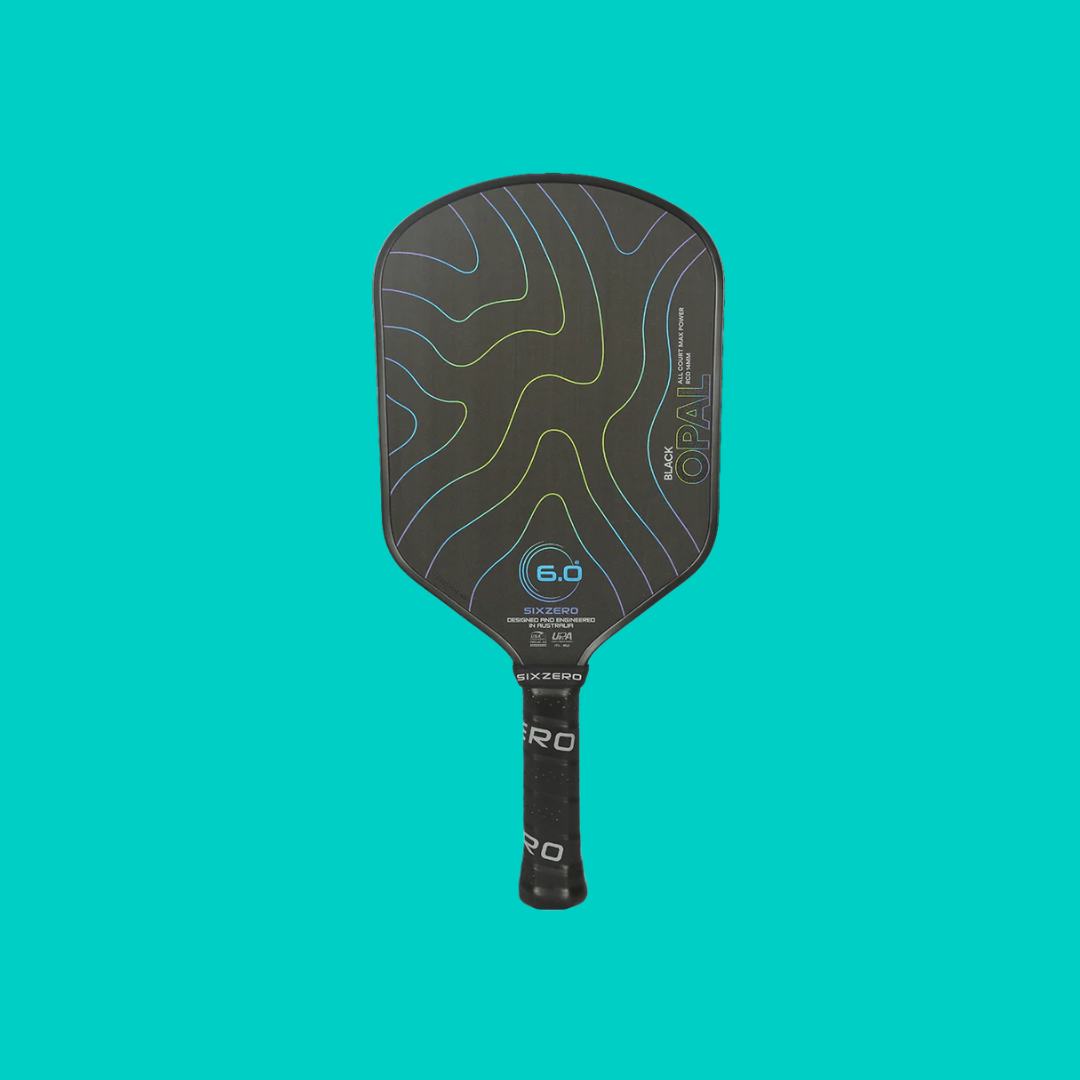
Six Zero is the easiest “legit competitor” call on this list. They earned trust with players first, then built real momentum through reviews, specs, and specialty retail availability.
What they’re doing differently
They publish the nerdy stuff that actually affects how a paddle feels, like swing weight and twist weight.
They’ve built a reputation as a performance-first brand, not a lifestyle brand pretending to be performance.
Six Zero’s appeal is simple: players feel like they’re getting premium-level performance without paying the full “legacy brand tax.” They’re talked about because people use them, tell their friends, and suddenly half your open play group has one.
Is it a dupe or legitimate competitor?
It’s a legitimate competitor, with one important asterisk. In 2026, credibility is tied to compliance more than ever. Six Zero has at least one model listed by USA Pickleball as “Under Investigation.” That doesn’t mean the entire brand is sketchy or that every paddle is banned. It does mean this brand is big enough now that they’re going to be judged by the harsh stuff: whether their paddles stay within standards and whether they handle issues quickly and transparently. If you play sanctioned tournaments, this is exactly the kind of detail you should care about.
Proton Sports
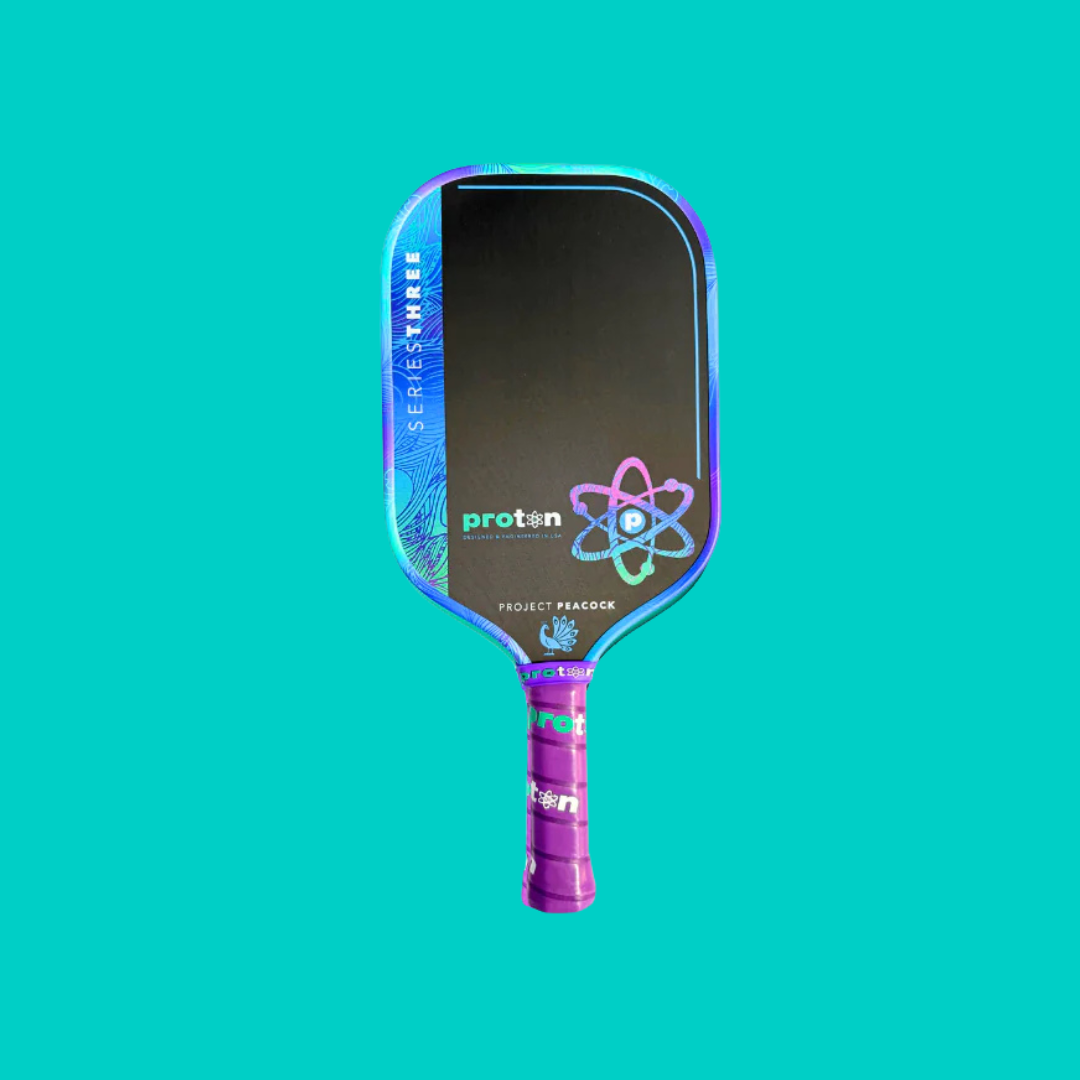
Proton Sports is not trying to be “the affordable alternative.” They’re trying to be the premium disruptor that shows up in the same spaces as the category leaders and dares you to compare.
And they’re pulling it off.
What they’re doing differently
They’ve broken into mainstream retail fast, including big-box placements like Dick’s Sporting Goods and Scheels. That’s hard to do unless a brand can deliver inventory, margins, and consistency.
They’re connected to the pro ecosystem at a serious level with their leadership tied into Major League Pickleball team ownership.
Proton is expensive. But they’re making the case that you’re not just buying a paddle, you’re buying into a company that’s operating like a real player in the sport with distribution, visibility, and a legitimate footprint.
Is it a dupe or legitimate competitor?
Legitimate. Full stop. When a brand lands in major retail and builds real ties into the pro side of the sport, it’s past the “random paddle company” stage. At that point, the only question is whether performance and durability live up to the price.
11SIX24
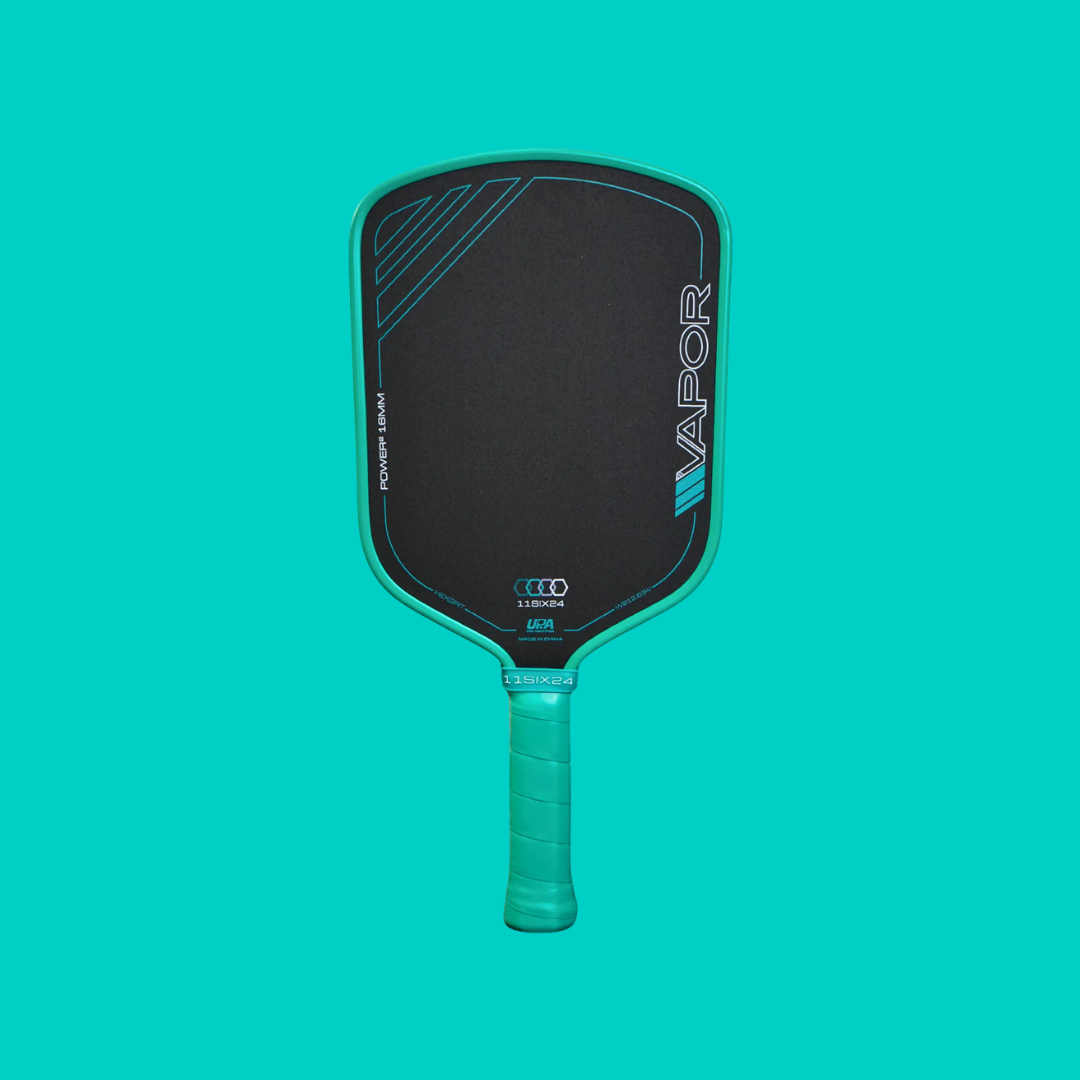
11SIX24 is the kind of brand you see more of in pickleball now: loud, tech-forward, and aiming for that sweet spot where a paddle feels high-end without costing “do I need to finance this?” money.
What they’re doing differently
They’re leaning hard into foam-core style performance messaging, which a lot of players associate with power and pop.
The recent signing of Dekel Bar put the brand on the map and attention around the Vapor Power 2’s UPA-A approval expanded its visibility even further.
The main reason people look at 11SIX24 is that they’re trying to offer modern performance at a price that feels more doable than the ultra-premium tier.
Is it a dupe or legitimate competitor?
Legitimate contender, with normal small-brand risk. When a brand is growing fast, the biggest issues usually aren’t “is the paddle good?” The issues are things like can they keep quality consistent across batches, fulfill quickly, and handle warranties without turning your inbox into a haunted house. Foam-heavy technology designs also attract extra scrutiny as testing gets tighter.
Facolos
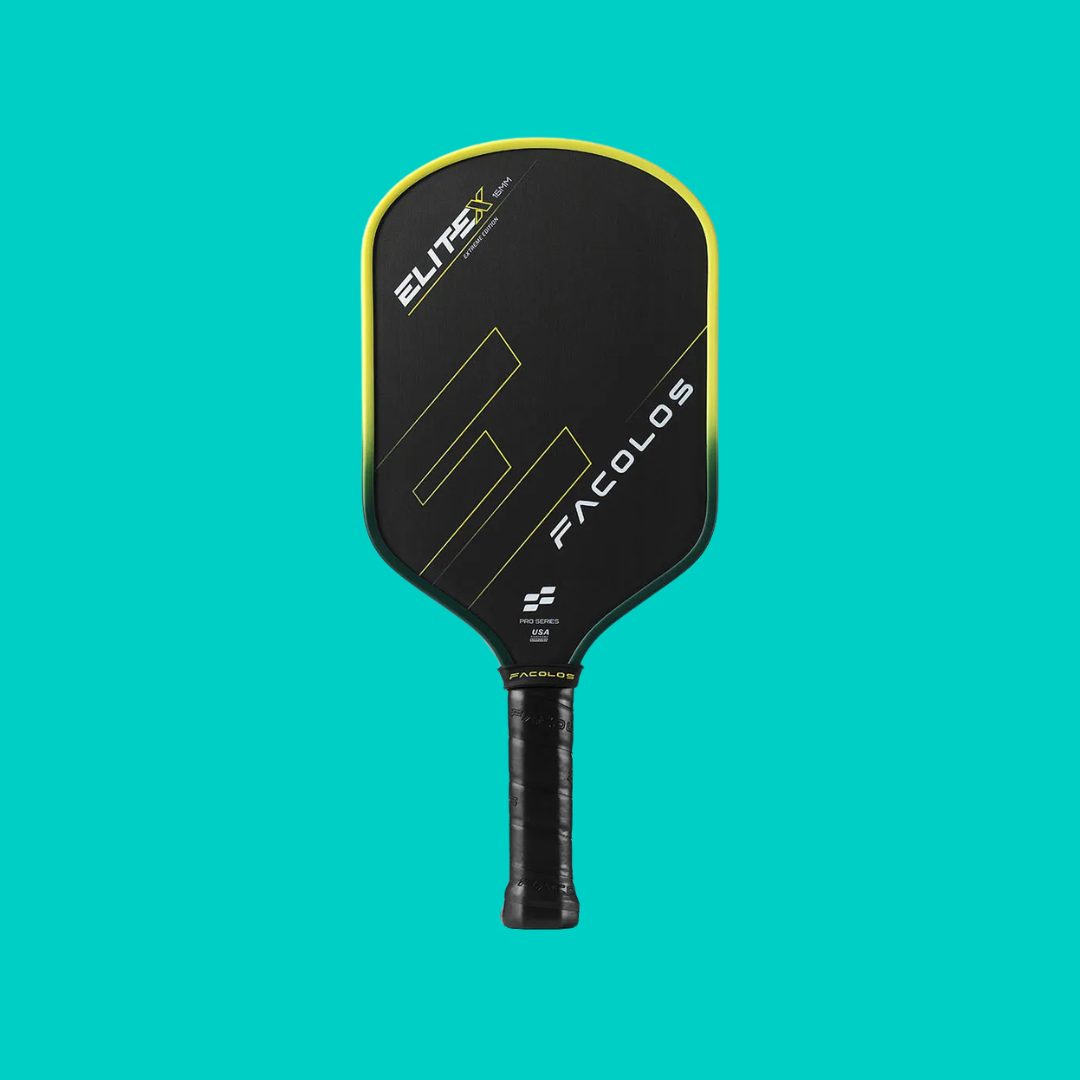
Facolos is moving fast and doing the thing new brands do when they want to be taken seriously overnight: grab a headline athlete, build a strong technology story, and flood the market with “we belong here” signals.
What they’re doing differently
They recently signed a deal with Gabe Tardio through 2027 that forces people to look twice.
They package their technology story aggressively, with lots of named layers, materials, and coatings.
Facolos is trying to land in that space where the paddle looks and sounds premium, but the price undercuts the most expensive legacy flagships. That’s a smart play because a lot of players are tired of feeling like the best gear is automatically $280.
Is it a dupe or legitimate competitor?
Potentially legitimate, but not fully proven. The Tardio deal is real enough to be widely covered, but credibility is not just about signing someone and calling it a day. What makes a brand truly legit is whether their product pages are consistent, their specs are clear, their warranty and fulfillment are transparent for U.S. buyers, and whether third-party reviewers start validating the performance without being paid to sound excited.
If you’re buying Facolos right now, treat it like a high-upside challenger. Watch for more third-party reviews and operational maturity before you crown them the next “big thing.”
Ramsports
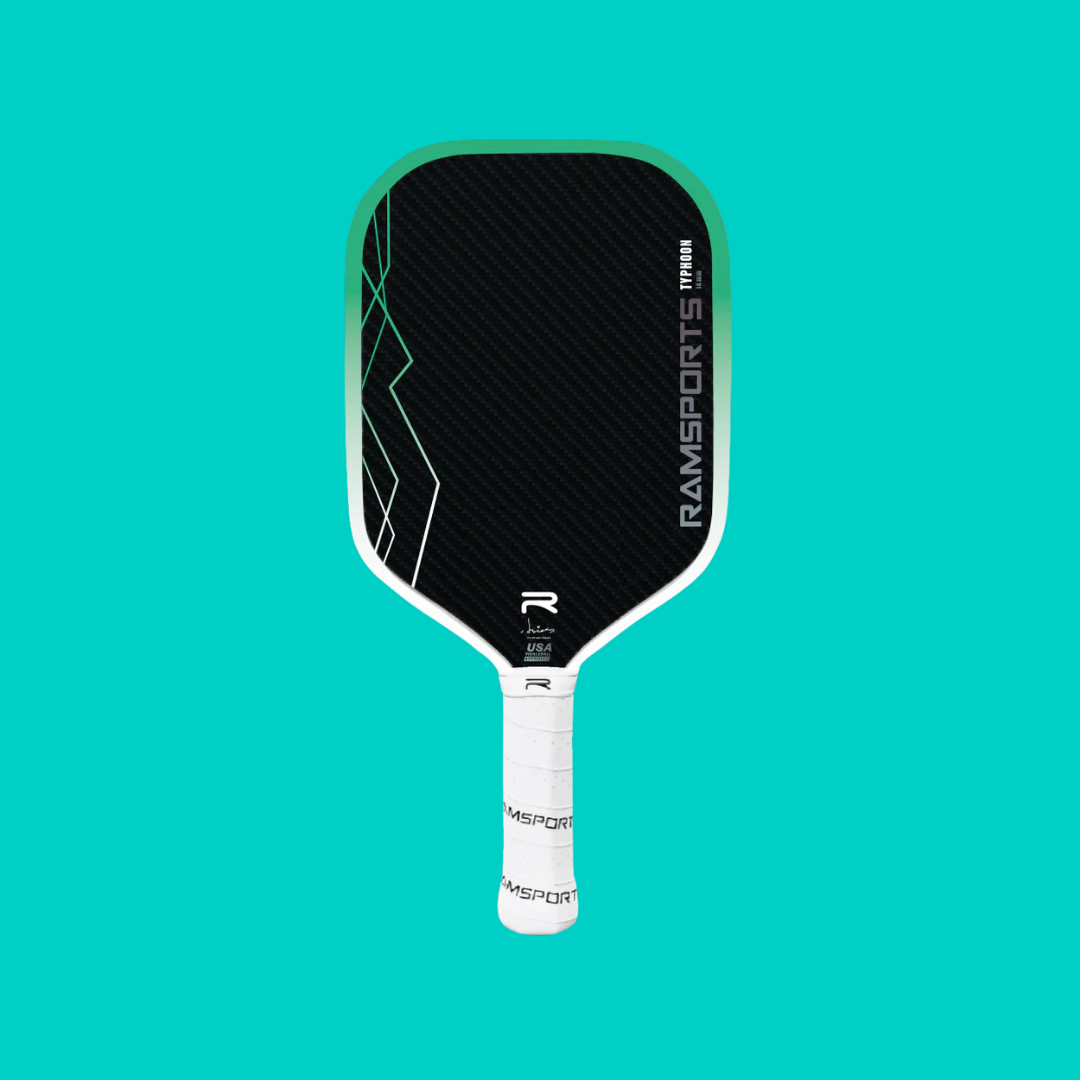
Ramsports is building a vertically integrated model with direct shipping and a broad product catalog.
What they’re doing differently
They’re leaning into certification as part of their credibility story, including both USA Pickleball and UPA-A approval of the Typhoon.
They’re pushing modern core/foam-style “Gen 3” messaging and multiple lines, rather than betting everything on one hero paddle.
Ramsports is telling the market: we can offer modern paddle technology at a mid-tier price, and we’re going to keep iterating quickly. That’s appealing if you want something current without paying top-tier prices.
Is it a dupe or legitimate competitor?
Legitimate challenger, with a trust caveat. For everyday buyers, clarity matters. Clear specs, consistent messaging, and transparent certification details build trust. Ramsports has the approvals and the product depth to compete. As they continue refining presentation and consistency, that trust will only grow.
How to Spot the Real Challengers in 2026
If you want a quick filter before you impulse-buy a “hot new paddle,” check these four things:
Is the paddle approved for the events you play? If you play recreationally only, you have flexibility. If you play sanctioned tournaments, approvals matter.
Does the brand have any public compliance issues? A single model under investigation is not the same as “the whole brand is garbage,” but it is something to watch.
Where can you actually buy it? Big-box or established specialty retail usually means fewer headaches with shipping, returns, and warranty execution.
Are there legit third-party reviews? Not “my cousin’s unboxing.” Real reviewers who test, compare, and criticize.
Quick Honorable Mentions
If you want extra names to watch (or approach carefully), these are also on our radar right now:
Wika and Li-Ning: interesting, but still building U.S. pickleball trust and identity.
Sypik: shows credibility signals, but has also dealt with sponsorship turbulence, and that can create “are we stable?” questions.
Luzz: cautionary tale territory after UPA-A publicly removed their paddles from its approved list in 2025.
So… Should You Switch?
Legacy brands still have major advantages: distribution, tighter quality control, and the comfort of “I know what I’m getting.”
But in 2026, the challengers are real. Some are already competing on the stuff that actually matters to competitive players: performance, availability, and whether the brand feels trustworthy when the hype dies down.
