

What Other Sports Got Right—and Wrong—with AI
Pickleball isn’t inventing AI officiating from scratch. Other sports have already gone first, tripped, adjusted, and learned a few hard lessons along the way. If pickleball is smart, it’ll borrow the good parts and leave the rest on the sideline.
Tennis: Technically Brilliant, Emotionally Complicated
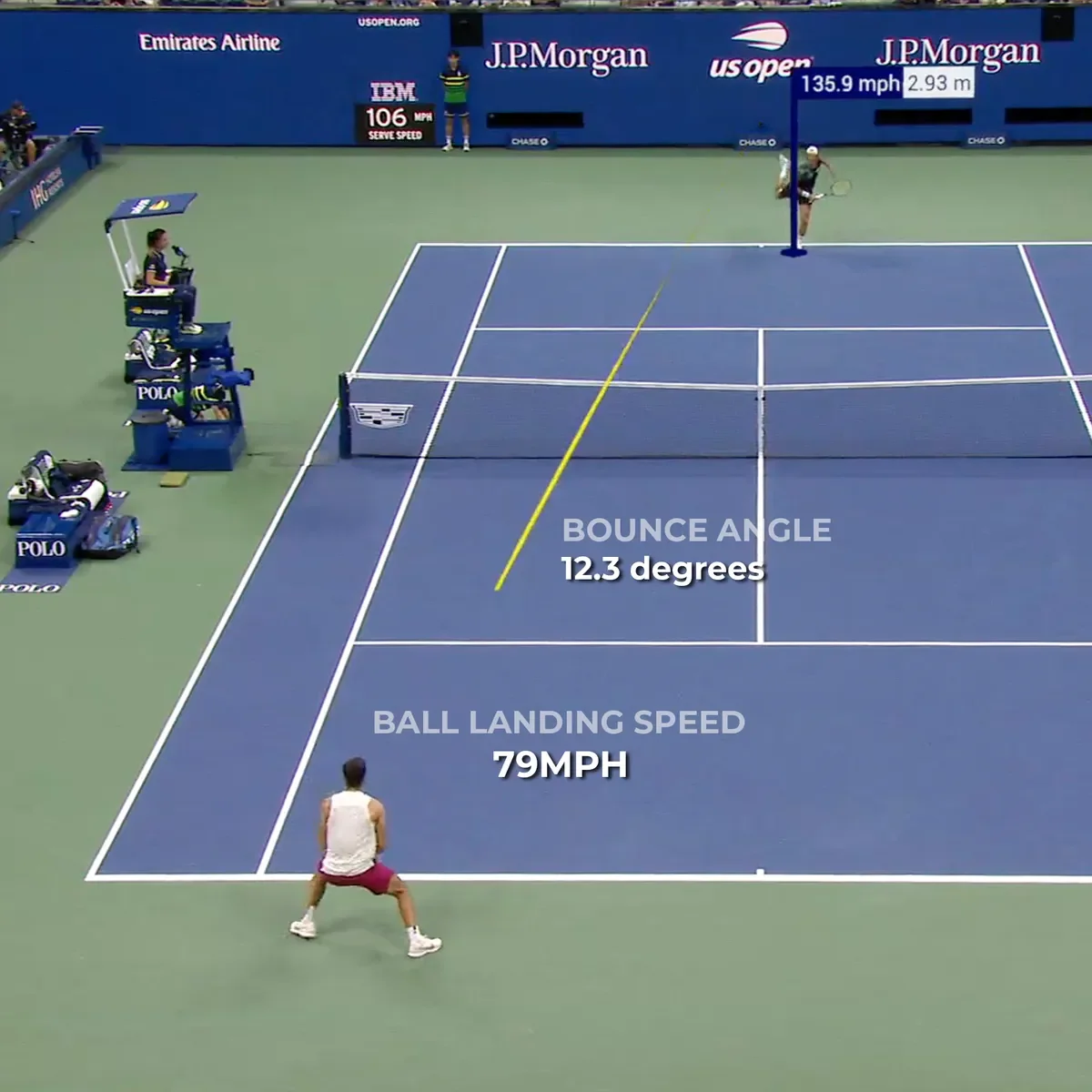
Hawk-Eye has insight technology to power data collation and aggregation.
Photo by Hawk-Eye Innovations
Tennis is the blueprint everyone points to. Automated line-calling systems like Hawk-Eye are extremely accurate, down to millimeters, and they’re now widely used at the highest levels of the sport.
And yet, players still argue.
Not because the technology is flawed, but because when margins are that small, logic often loses to adrenaline. Tennis proved something important: accuracy alone doesn’t eliminate controversy. What actually builds trust is transparency—showing the call clearly, quickly, and consistently.
What pickleball should take from tennis:
Automated calls can work beautifully, but fans and players need to understand how decisions are made, not just be told the computer is right.
Badminton: Quiet Success, No Drama
Badminton doesn’t get nearly enough credit here.
It adopted automated line-calling and challenge systems at top international events and did so without turning every review into theater. Challenges are fast. Visuals are clear. Decisions are communicated. Play moves on.
That’s it. No theatrics. No extended debates. No momentum-killing delays.
What pickleball should take from badminton:
Speed and simplicity matter more than spectacle. If replay and AI help the game flow, players accept it. If it interrupts rhythm, they don’t.
Soccer (VAR): When Technology Loses the Crowd
Then there’s soccer’s VAR—the cautionary tale everyone knows.
VAR was introduced to improve fairness, and technically, it often succeeds. Culturally, it’s been far messier. Long stoppages, unclear explanations, and constant confusion have left fans frustrated and players unsure of what will be reviewed or why.
VAR didn’t struggle because the technology was bad. It struggled because it changed the emotional experience of the game.
What pickleball should take from soccer:
Just because something can be reviewed doesn’t mean it should be. If technology disrupts flow or creates more confusion than clarity, it hurts the sport—even when the call is technically correct.
The Big Lesson for Pickleball
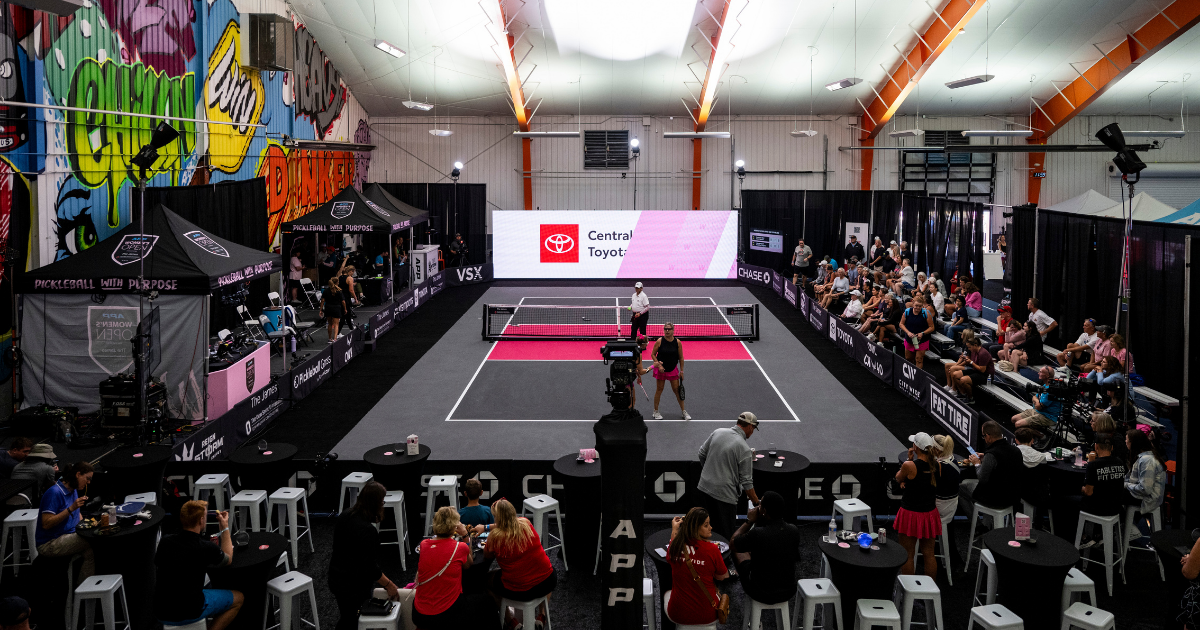
0Photo by Association of Pickleball Players (APP)
Across all three sports, the takeaway is the same.
AI works best when it:
Speeds the game up
Reduces friction
Is easy to understand
Knows when not to intervene
Pickleball’s biggest advantage is timing. The sport is still early enough to design these systems intentionally, before habits, expectations, and bad processes get locked in.
If pickleball learns from tennis’s precision, badminton’s efficiency, and soccer’s missteps, it won’t just adopt better tech.
It’ll adopt better judgment.
