

The Women Who Helped Build Pickleball
Pickleball wasn’t built with a master plan.
It started as a backyard game. Something thrown together to pass time. The people who created it weren’t thinking about governing bodies, rating systems, or national tournaments. They weren’t even thinking about scale.
And yet, somehow, it scaled anyway.
Once people started playing, someone had to make it easier to understand. Easier to organize. Easier to grow. Easier to repeat in different places.
That’s where a lot of the real work came in. And a lot of that work was done by women—across coaching, governance, media, technology, and community building.
What all of these roles have in common is simple: they make the sport easier to replicate. And that’s what actually drives growth.
The Woman Who Gave the Sport Its Identity
Joan Pritchard is often credited with naming pickleball. That part is widely accepted.
What’s less clear is why.
There are multiple versions. The “pickle boat” story. The dog story. And even within the family, there’s disagreement about what’s actually true. Nothing was written down at the time, because no one thought it would matter later.
It wasn’t documented. It wasn’t structured. It wasn’t built with the expectation that millions of people would eventually play it.
Joan’s role matters, but not because it was formalized. It matters because she was part of the environment that shaped what the game felt like early on—casual, accessible, and easy to jump into.
The Woman Who Made Pickleball Discoverable
Before pickleball had structure, it had a visibility problem.
If you wanted to learn the rules, find a court, or buy equipment, there wasn’t a clear place to go.
Fran Myer changed that.
In 1999, she built one of the earliest online hubs for pickleball—something that started as an information resource and quickly became the first known retail site selling paddles and balls from multiple manufacturers.
That made the sport easier to access. Easier to start. Easier to spread.
The Women Who Standardized the Story
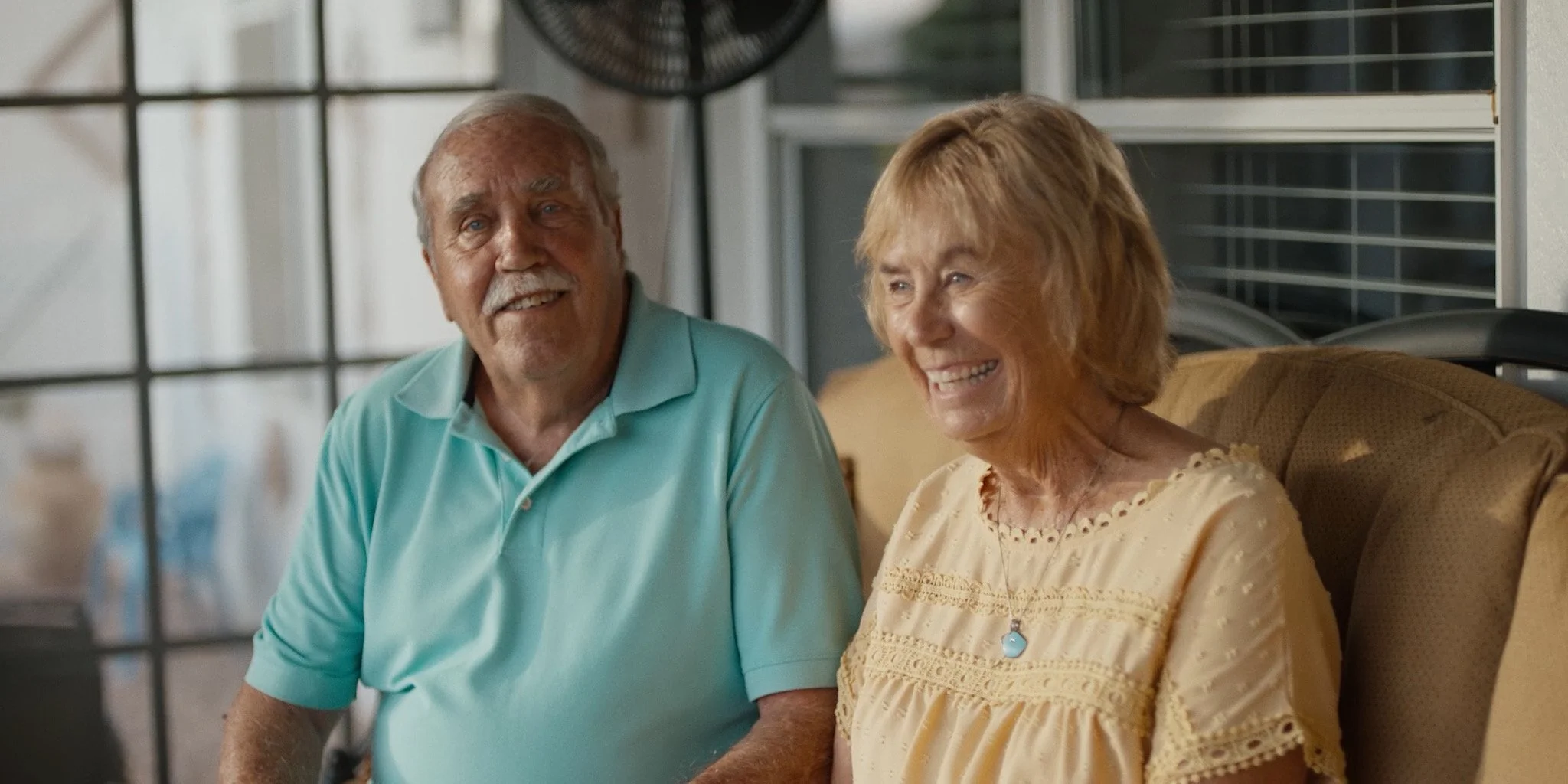
Beverly Youngren and her husband Bob, talking about pickleball.
Photo by The Power of Pickleball
As the sport grew, one thing became obvious fast: most people had no idea where it came from.
Jennifer Lucore and Beverly Youngren helped fix that.
They co-authored History of Pickleball: More Than 50 Years of Fun!, one of the first major attempts to document the sport’s origins, key figures, and early growth.
When a sport scales quickly, the story gets messy. Having something people can point to—a shared version of events—helps stabilize how the game is understood.
At the same time, both were deeply involved in ambassador work, helping communities build local programs.
The Woman Who Made Competition Scalable
Casual play is easy to grow. Organized competition is not.
Tournaments break fast when they scale. Scheduling, brackets, fairness—it all becomes chaos without structure.
Melissa McCurley built the infrastructure that fixed that.
Through tournament software and the creation of UTPR (one of the first data-driven rating systems), she turned events into something repeatable and manageable.
And the numbers tell the story:
~93 tournaments / 10,000 players (2014)
~1,200 tournaments / 200,000 players (2023)
That kind of jump doesn’t happen when everything’s still being pieced together.
The Woman Who Built Trust Into the Game
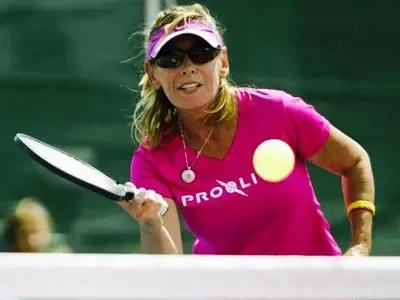
Gigi LeMaster on court
Photo by Pickleball Hall of Fame
Growth without trust falls apart.
People won’t keep showing up if events feel inconsistent, unfair, or poorly run.
Gigi LeMaster worked across every layer that builds that trust:
Refereeing
Tournament direction
Coaching and education
She co-directed Nationals early on, helped formalize officiating standards, and even introduced models that paid referees and expanded prize structures.
That’s how a sport starts to feel legitimate.
It’s not one big shift. It’s when events stop feeling inconsistent and start feeling reliable.
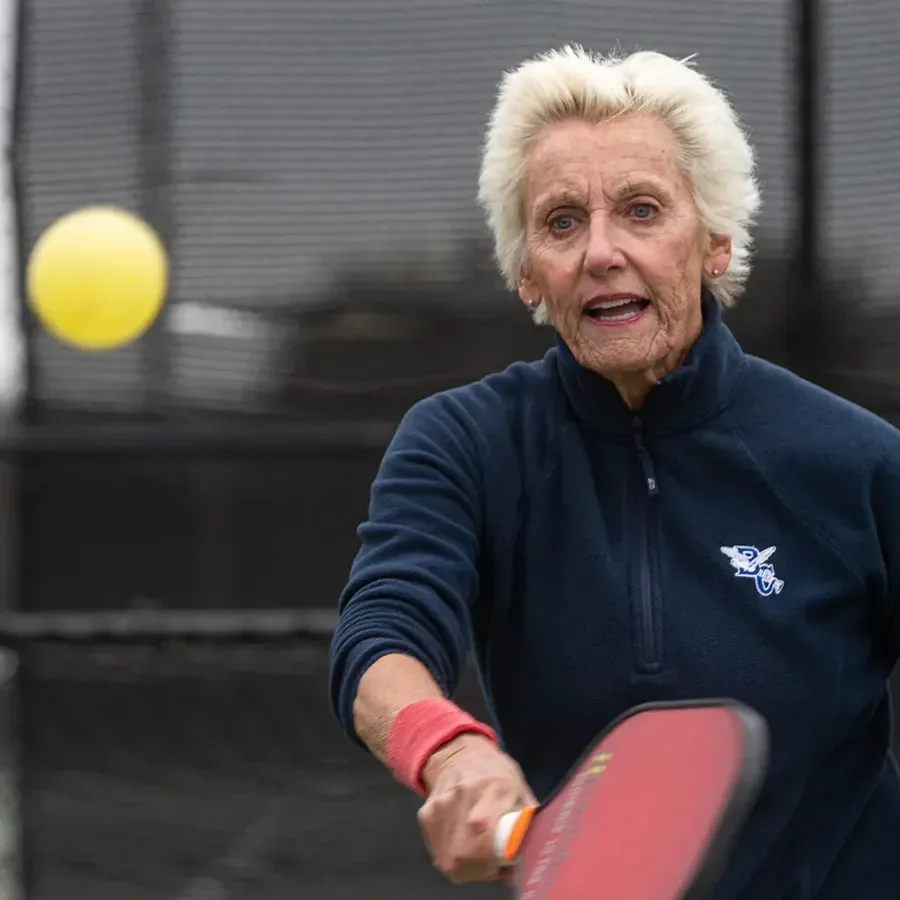
Hilary Hilton Marold playing pickleball at 71
Photo by Pickleball Hall of Fame
The Woman Who Took the Game Global
Scaling inside the U.S. is one thing. Taking a sport international is completely different.
Hilary Hilton Marold’s work includes teaching and promoting the sport in countries like Mexico, Costa Rica, Japan, England, France, Spain, and Canada—long before international growth became a major talking point.
She also contributed to early pro-level structure through involvement with the Professional Pickleball Federation, helping shape what organized competition could look like.
That combination—grassroots teaching plus early governance—is what makes international growth stick.
The Women Defining Modern Infrastructure
Pickleball is now dealing with a different problem: too much growth, not enough alignment.
Jill Braverman played a key role in pushing rating system standardization through DUPR, helping move the sport toward a more unified competitive structure. That push toward a single, widely adopted rating system still shapes how players and tournaments interact.
Stephanie Russell represents a different kind of impact. As the newly appointed Board Chair of USA Pickleball, she’s stepping into a role that directly influences governance, policy, and the long-term direction of the sport at a national level.
At this stage, those decisions carry real weight.
What Actually Built Pickleball
The easiest way to tell this story is to focus on players.
But that’s not where most of the impact actually sits.
It sits in the systems.
The name made it stick. The early websites made it findable. The books made it make sense. The software made it scalable. The officiating made it fair. The governance is what keeps it from breaking.
Women have been deeply involved in all of those layers.
Not as a side note. As builders.
And if pickleball keeps growing the way it has, those layers are only going to matter more.
