

The 2026 Paddle Report: New Tech, Quiet Cores, and What Actually Matters
Pickleball paddle technology has hit an inflection point in 2026. After years of incremental tweaks and high-profile “power wars,” the market is finally evolving in ways that actually matter on court—not just on the spec sheet.
Between real material innovation, the rise of quieter designs, and a renewed focus on playability, 2026 might be the year players find gear that feels truly dialed in.
Here’s what to know before you pick your next pickleball paddle.
From Honeycomb to Foam: The Core Revolution
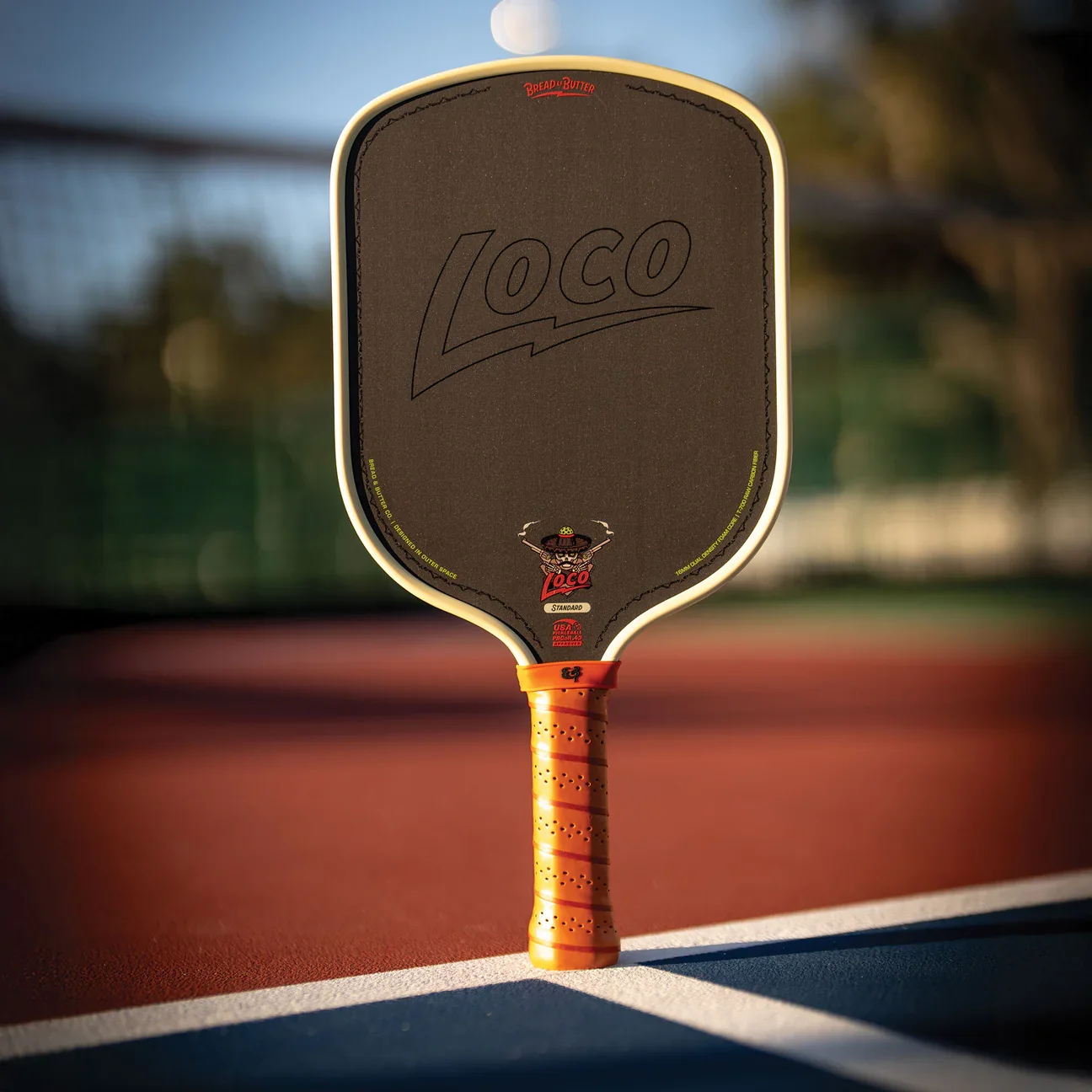
The Bread & Butter Loco pickleball paddles feature a full-foam construction.
For most of pickleball’s history, paddles relied on polypropylene (PP) honeycomb cores—a lightweight plastic grid sandwiched between composite faces. Poly cores were affordable, effective, and easy to manufacture, but they had limitations: they could compress over time, offered inconsistent feel across the sweet spot, and contributed to the traditional pop that everyone knows and loves (and sometimes hates).
Fast forward to 2026, and foam core technology—especially full-foam or foam-enhanced designs—dominates the conversation:
Floating and dense foam cores provide more consistent energy return, less vibration, and broader sweet spots.
Foam cores also tend to be more durable than honeycomb, resisting crush and performance shifts over time.
Newer full-foam paddles (often called “Gen-4” designs) promise a unified feel from edge to edge—a big win for players who want reliability with every strike.
Early adopters like the Bread & Butter Loco and the Ronbus Quanta R3 showcase how full-foam construction can deliver a more connected feel across the face, with fewer dead zones and more predictable feedback.
These foam cores aren’t a gimmick—they’re the biggest material shift in paddles in years, affecting everything from power transfer to ball control.
What this means for your game:
Better control on shots that miss the sweet spot
A more forgiving feel on resets and delicate shots
Less arm fatigue thanks to reduced vibration
Quiet Paddles Aren’t Just for HOA Drama
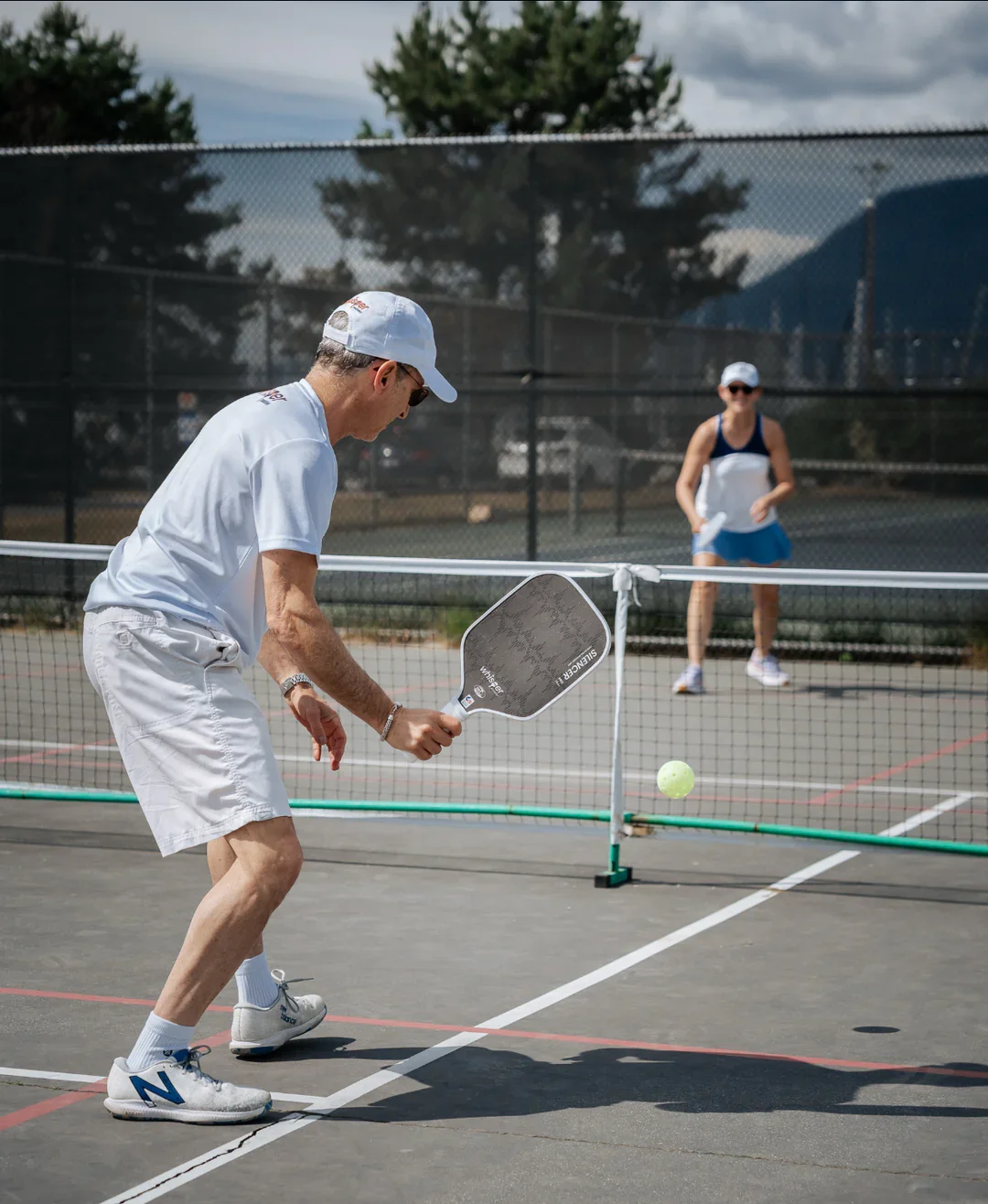
The Silencer Pro was voted the #1 quiet pickleball paddle of 2025.
It started as a response to community complaints about noise—and now quiet paddle tech is here to stay.
Modern quiet designs use materials and construction that absorb sound rather than amplify it. The result:
Less ping and more thump at ball contact
Reduced vibration for a softer feel
Compliance with emerging quiet categories, including USA Pickleball’s own quiet paddle standards
Purpose-built quiet brands like Whisper Paddles are leaning fully into sound-dampening design. Models such as The Silencer Pro are engineered to reduce sharp “ping” at contact, creating a more muted, controlled feel.
Why that matters:
Whether you’re in noise-sensitive neighborhoods or simply prefer a smoother feel on your wrist and arm, quiet paddles offer tangible performance benefits—not just social ones.
The Era of Smarter Surfaces — Durability Wins
While cores are the foundation, paddle faces are the front line of performance. Pickleball paddle reviewers have noted that surface grit and durability are now major differentiators:
Ultra-high friction carbon or raw composite surfaces are engineered to maximize spin without relying on coatings that wear down quickly.
Texture durability is now a major focus—long-lasting grit means consistent play over hundreds of hours.
Critics point out that without durable texture, spin performance drops faster than ever, so surface innovation is crucial.
Brands like CRBN have leaned heavily into raw carbon fiber face technology, focusing not just on spin out of the wrapper but on texture longevity over months of play.
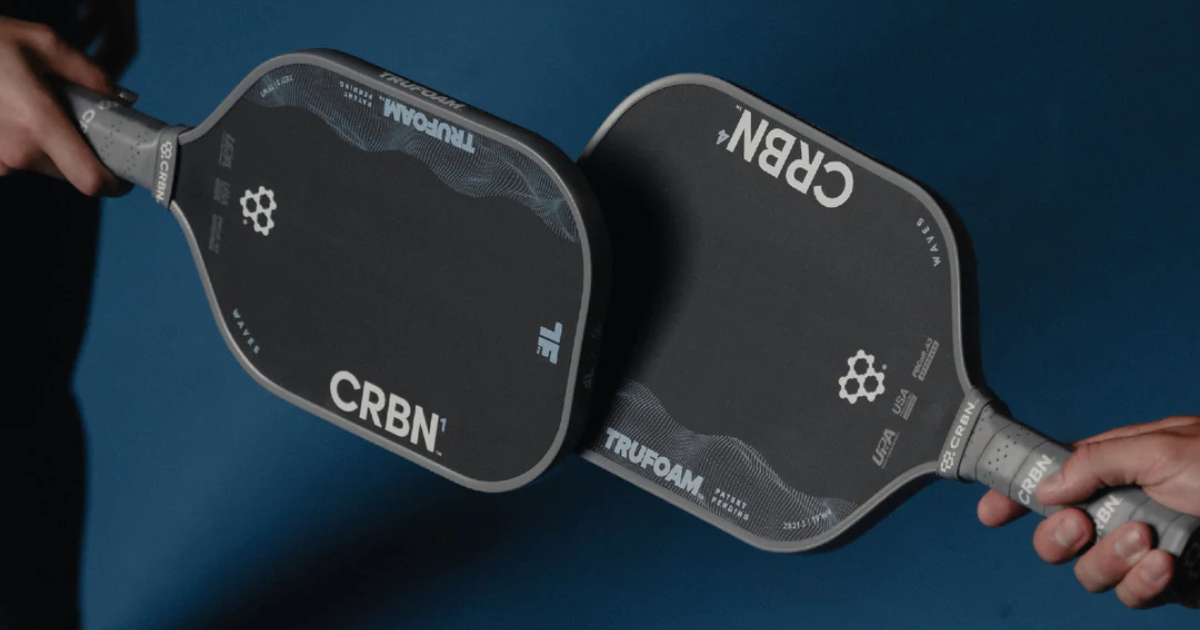
Durable carbon fiber surface construction helps maintain spin and eel over extended play.
In simpler terms: the feel of the ball off the face is now just as critical as core technology, and that’s a huge shift from even just a few seasons ago.
Power Isn’t Everything — Control Is Coming Back
After years of brands chasing marginal power boosts, many experts believe 2026 is the year control finally gets its spotlight:
Players are opting for paddles that support all-court play rather than just raw pop.
With rules like PBCoR limits and changes to tournament balls, precision is often more valuable than “fried steak” drives.
Many reviewers predict a shift away from max-power paddles toward balanced, forgiving designs that prioritize consistency and placement—especially in doubles play.
This is good news for recreational players who prioritize touch, dinks, and resets over booming winners.
What Actually Matters to Real Players
Ultimately, the tech revolution should enhance your game, not just inflate a marketing spec.
What matters most:
Feel and feedback: A paddle that feels intuitive makes better players out of you—full-foam cores and advanced surfaces deliver this.
Comfort and consistency: Reduced vibration and broader sweet spots are game-changers for longevity and fewer mishits.
Balanced performance: Power is only as good as your ability to place it—and 2026 gear reflects that balance.
Choose With Purpose, Not Hype
Paddle tech isn’t about chasing the newest invention—it’s about finding what serves your style. In 2026:
Expect foam cores to continue leading the charge.
Surfaces will not only be judged by grit out of the box, but also by durability.
And most importantly: the best paddle for your game isn’t always the one with the flashiest name—it’s the one that feels right in your hand and helps you play better down the line.
