

From Kaua‘i With Care: How Grace Young Built ‘Āina Organics From a Personal Healing Journey
On the island of Kaua‘i, the pace of life moves a little differently. Trade winds drift through palm trees, waves roll onto quiet beaches, and the scent of plumeria and salt air carries through open-air farmers’ markets where locals and visitors mingle. Known as Hawai‘i’s “Garden Island,” Kaua‘i is lush, vibrant, and deeply connected to nature—a place where the land, or ‘āina, is respected as both provider and healer.
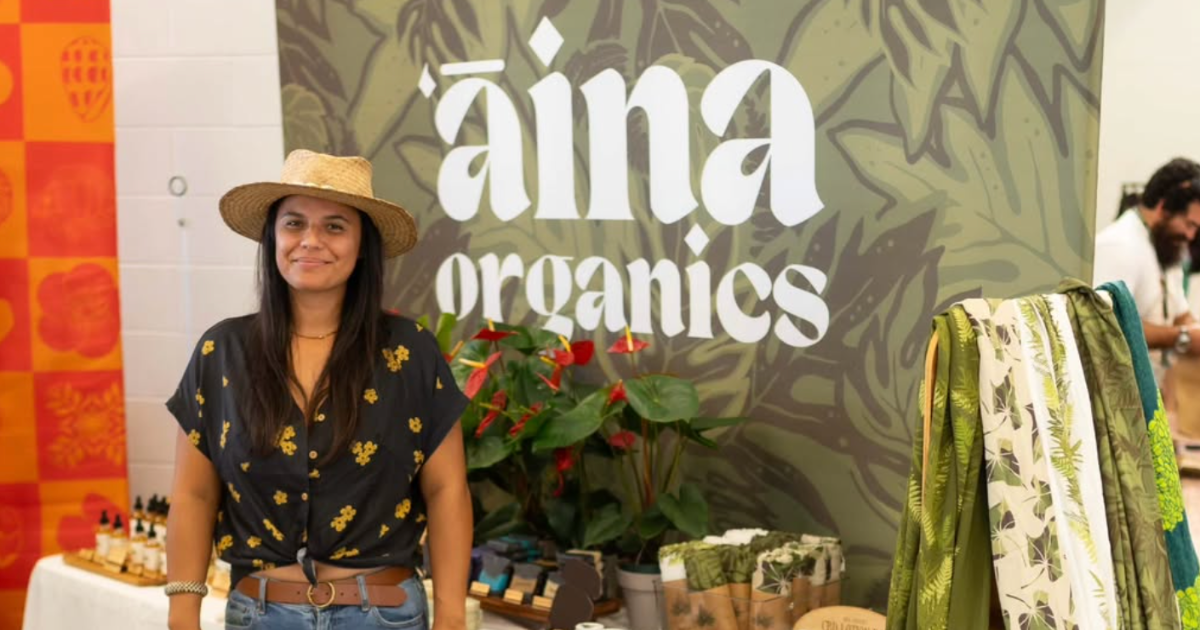
Grace Young selling ‘Āina Organics at an in-person event.
It’s here, surrounded by the island’s natural beauty and traditions, that Grace Young built a wellness brand rooted in something deeper than skincare.
Her company, ‘Āina Organics, is more than a collection of lotions, oils, and soaps. It reflects healing, family, and a deep respect for the land that inspired it.
Like many founder stories, it started with a personal need.
A Personal Path to Healing
Young founded ‘Āina Organics in 2020 after experiencing postpartum depression following the birth of her daughters. Searching for ways to support her mental and physical well-being, she began exploring natural wellness products, including CBD.
But as she dug deeper, she quickly realized not all CBD products were created equal.
“I became really passionate about understanding what was actually in the products people were putting on their bodies,” Young explains. “Things like organic sourcing, how the CBD was processed, and making sure it was GMP-certified. Those details matter.”
What started as research turned into experimentation—first for herself and her family, and eventually for others.
The result was ‘Āina Organics: a small-batch skincare and wellness company built around clean ingredients, thoughtful sourcing, and transparency.
Inspired by the Land
The name ‘Āina Organics reflects one of the most important values in Hawaiian culture: ‘āina, meaning land.
In Hawai‘i, ‘āina represents more than geography. It represents nourishment, connection, and responsibility.
Young built her brand around that philosophy, drawing inspiration from plants long used in Hawaiian healing traditions.
Ingredients like noni leaf, kukui nut oil, and Hawaiian chili pepper play central roles in her formulations.
Noni is known for its anti-inflammatory and skin-supporting properties. Kukui nut oil—once used by Hawaiian royalty—absorbs easily while delivering deep hydration. Hawaiian chili pepper provides a natural warming sensation that encourages circulation and helps open pores.
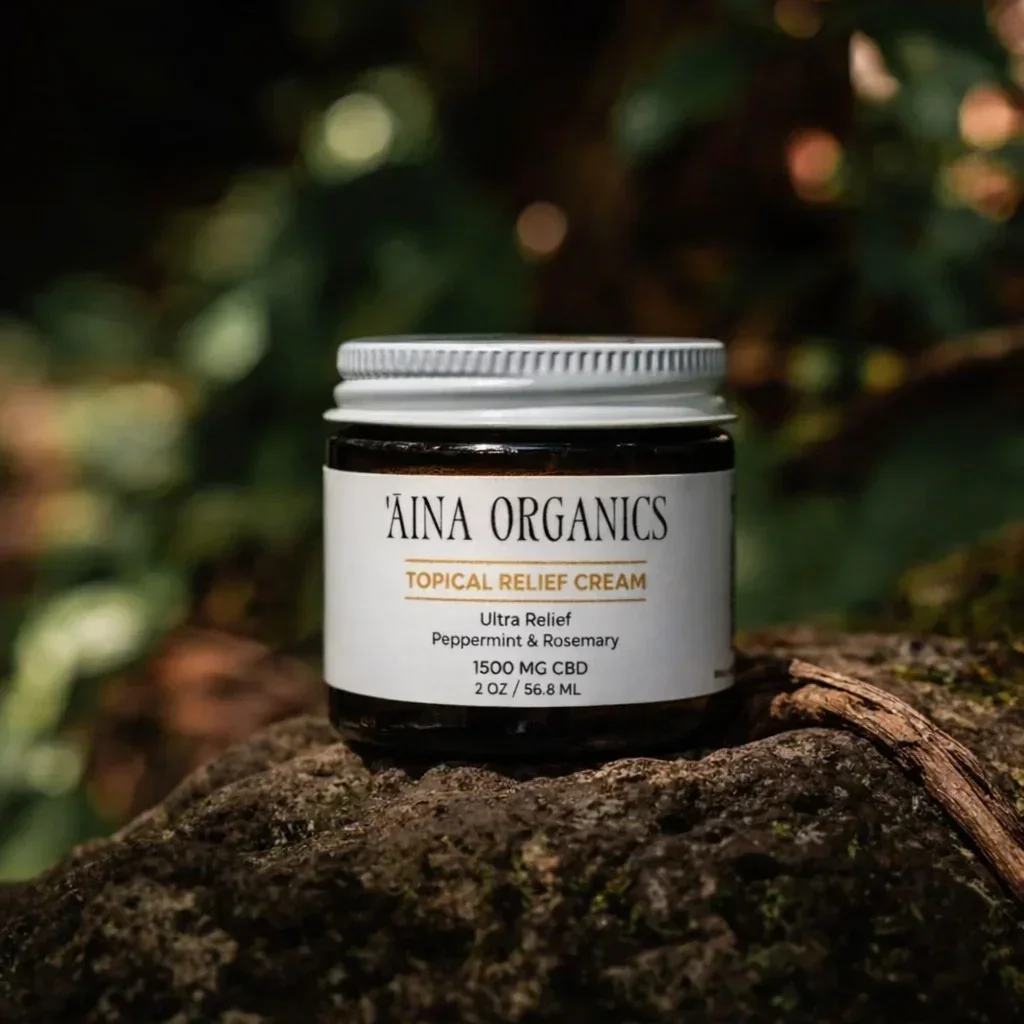
That chili pepper is one of the most distinctive elements in ‘Āina Organics’ Topical Relief Cream, replacing the synthetic menthol found in many similar products.
“We grow our own Hawaiian chili peppers,” Young says. “Instead of using something artificial, the chili pepper gives you that natural warming sensation and helps your skin absorb the CBD better.”
Combined with arnica, noni, and nourishing ingredients like coconut oil, cacao butter, shea butter, and kukui nut oil, the cream is designed to support sore muscles, joint stiffness, and everyday inflammation. For active communities—including pickleball players who know the feeling of waking up sore after “just one more game”—that kind of targeted relief can quickly become part of a simple post-play recovery routine.
Built One Market at a Time
Unlike many wellness brands that launch with large marketing budgets, ‘Āina Organics grew through local markets and word of mouth.
In the early days, Young spent weekends introducing customers to her products in person. Visitors could try the relief cream, ask questions, and hear the story behind each ingredient.
That personal connection built trust—and a loyal following.
“I tell people to try it and walk around the market for ten minutes,” Young says with a smile. “Most of the time they come back.”
Many of those early customers were visitors discovering the brand while traveling through Kaua‘i. Today, many continue ordering online long after returning home, helping the brand expand across the mainland United States.
Small Batch, Family Tested
Even as the brand grows, Young has stayed committed to one guiding principle:
If her family doesn’t use it, she won’t sell it.
That philosophy led to additional products, including handcrafted soaps made with essential oils and no synthetic fragrances. Originally created to help with eczema within her own household, they’ve remained a staple ever since.
“My hands haven’t broken out since I started making soap,” Young says.
Her daughters still use the lotion bars she created to help soothe dry or irritated skin.
Local sourcing also plays an important role. Beeswax used in some products comes from a local beekeeper, reinforcing Young’s commitment to supporting small businesses within the community.
“It’s important to me to work with the people around us,” she says.
Growing Naturally
Six years in, ‘Āina Organics continues to grow organically.
The company now offers a full collection of wellness products, including CBD oils, topical creams, body oils, soaps, and travel-friendly lotion bars.
Its best-selling Topical Relief Cream is available in both 800mg and 1500mg strengths, giving customers flexibility based on their needs.
But even as the product line expands, the heart of the company remains the same: small batches, thoughtful ingredients, and products made with intention.
A Natural Fit for Active Living
While ‘Āina Organics was born from Grace Young’s personal wellness journey, the brand resonates strongly with today’s pickleball community.
The sport brings together people who care about movement, recovery, and feeling good enough to get back out there again the next day.
That same mindset—staying active, listening to your body, and choosing products that support everyday wellness—is exactly what inspired ‘Āina Organics from the beginning.
From the valleys of Kaua‘i to customers across the mainland, the brand carries a simple message:
Sometimes the best wellness solutions come from listening to nature—and trusting the healing power of the land.
