

Why Asia’s Pickleball Boom Is Great News for Women in the U.S.
Most of us discovered pickleball because a friend, sister, coworker, or neighbor invited us to play. That’s the heart of this sport—connection.
As pickleball continues to grow internationally, women in the United States are about to feel the impact in ways that go far beyond the court.
What’s happening right now in Asia is a reminder that pickleball is way bigger than a trend. It’s becoming a global movement fueled by the same thing that drives so many women to the court today: friendship, wellness, joy, and community.
And believe it or not, the growth happening in Asia will directly benefit women players here in the U.S.
Let’s break it down.

How Pickleball’s Growth in Asia Supports Women’s Community in the U.S.
The fastest-growing pickleball regions in Asia are building the sport the same way women do here:
Through neighborhoods
Malls and community centers
School programs
Workplace wellness groups
Women’s social clubs
Pickleball in places like Manila, Bangkok, and Mumbai is social first, competitive second.
Sound familiar?
It’s the same vibe that makes women fall in love with the sport here in the U.S.—the laughter, the friendships, the ability to show up exactly as you are.
Asia’s boom validates what we’ve known all along: pickleball grows when women lead it.
Why Pickleball Travel is the Next Big Trend
Women drive the majority of group travel decisions—girls’ trips, wellness retreats, bucket-list adventures.
Asia opening its doors to pickleball means…
new dream trips built around culture, food, wellness, and play.
Imagine:
Pickleball + Bali beaches
Pickleball + Thailand wellness retreats
Pickleball + Manila shopping weekends
Pickleball + Vietnam food tours
The sport becomes a reason to explore the world—and a way to meet new friends across continents.
Your passport and your paddle will finally get to hang out together.
More Global Growth = More Women’s Stories
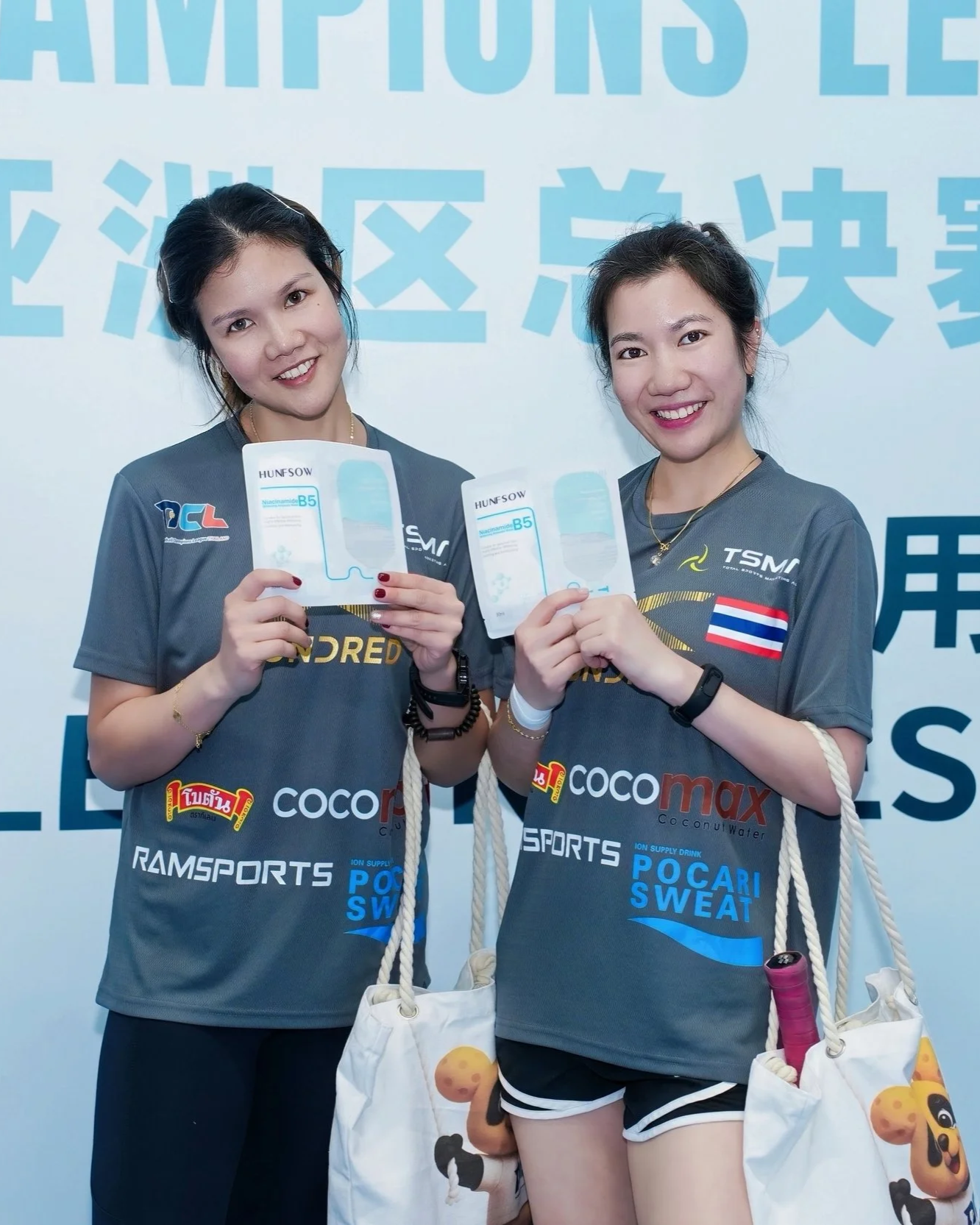
One of the coolest parts about pickleball in Asia? Women are leading clubs, organizing events, teaching beginners, and welcoming entire families into the sport.
That means:
More women coaches
More social clubs
More cross-cultural friendships
More spotlight on everyday women building the sport from the ground up
As Asia rises, we’ll see women from all over the world represented in the stories, tournaments, and communities shaping pickleball’s future.
Representation matters.
And the sport is about to showcase more of it.
Olympic Momentum (Yes, Really)
Asia’s scale—billions of people, strong federations, unified regional growth—is going to be a major driver in pushing pickleball closer to the Olympic conversation.
Why does this matter to you?
Because Olympic recognition would mean:
More youth programs
More funding
More local courts
More visibility for female athletes
More legitimacy for the sport we love
When a sport becomes globally recognized, opportunities multiply at every level—including for recreational players.
A Bigger Global Community Makes Your Local Community Stronger
The beautiful thing about pickleball is that it feels personal even when it’s global.
And Asia’s rise doesn’t take anything away from American pickleball—it actually adds to it:
New playing styles
New training ideas
New events coming to the U.S.
New partnerships
New gear innovation
New cultural exchanges
New friendships
When the world plays, the sport grows for everyone.
When The World Plays, Women Win
Asia isn’t just joining pickleball.
Asia is helping shape its future.
And for women here in the U.S., that means:
More places to play
More people to meet
More stories to inspire you
More travel opportunities
More joy
And more proof that this sport truly belongs to EVERYONE
We created the spark.
Asia is helping build the flame. And together, we’re part of a global community of women who play, laugh, learn, and lift each other up—one pickleball at a time.
