

Why Pickleball Makes You Feel So Good: The Dopamine Effect Explained
The holidays have a way of throwing everything off balance. Routines disappear, calendars get crowded, and suddenly your nervous system feels like it’s running on low battery by noon. This is the season of togetherness, celebration, and joy, yes—but it’s also the season of overstimulation, emotional overload, and exhaustion.
So if you’ve found yourself craving court time lately, you’re not imagining anything.
Pickleball has a way of cutting through the noise when nothing else does. You don’t need to force yourself into a better mood or talk yourself into enjoying it. You just play, and somehow you leave feeling lighter than when you arrived. That reaction is not an emotional coincidence. It is a biological one.
Understanding why pickleball feels so good requires looking at what’s happening inside your brain, not just how the game looks on the surface.
Dopamine: The Reward Chemical Your Brain Runs On
Dopamine is commonly described as the “feel-good” chemical, but its real job is helping your brain decide what matters. It is heavily involved in motivation, creating a link between actions that benefit you and the desire to repeat them. When something feels rewarding, dopamine teaches your brain to notice it and to want it again.
It is also why you do not need to be consciously “happy” for dopamine to be working in your favor. The chemical operates behind the scenes, quietly reinforcing behaviors that improve mood, reduce stress, or build connection.
Pickleball doesn’t activate this system accidentally.
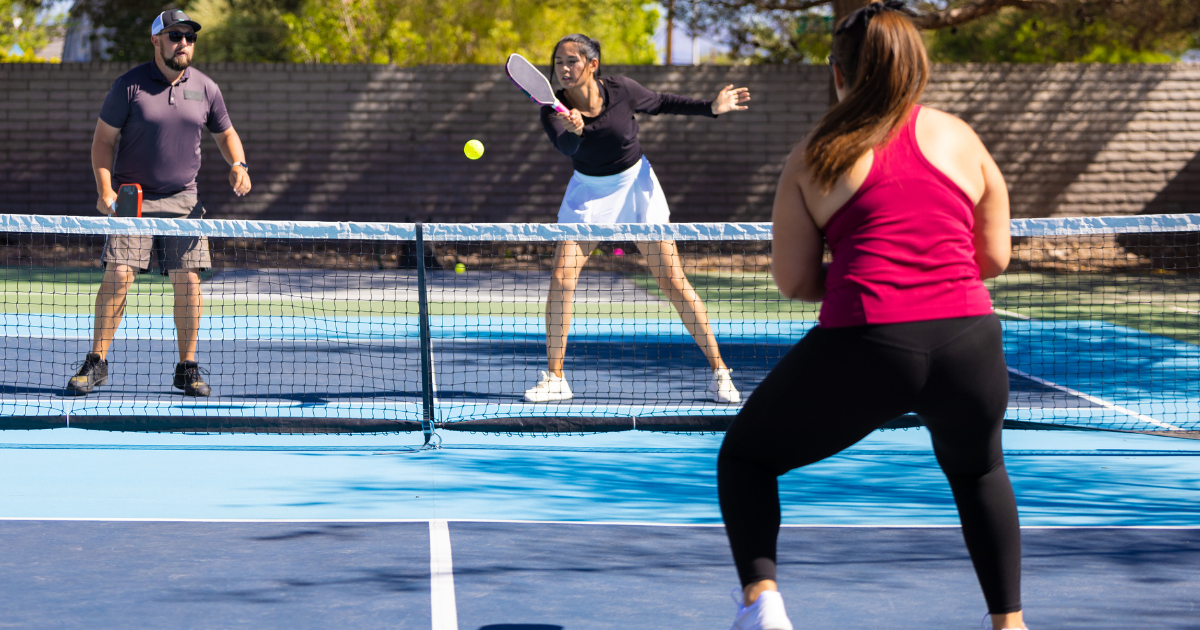
Exercise Is the First Dopamine Trigger
Physical activity is one of the most reliable ways to stimulate dopamine production. Exercise increases dopamine in the brain, along with endorphins and serotonin, which help regulate mood and stress. What makes pickleball different from many workouts is that it doesn’t feel like a chore. Your attention is elsewhere. You are reacting, deciding, and engaging without noticing the work your body is doing.
Instead of counting reps or grinding through miles, you are fully occupied by the game. That mental engagement keeps dopamine levels elevated for longer periods of time compared to repetitive exercise.
Pickleball offers movement that restores instead of depletes. It gives your brain stimulation without overload and your body works without punishment—which is why you leave the court feeling clearer, not cooked.
Your Brain Thrives on Progress and Pickleball Delivers It in Fast Cycles
Another reason pickleball activates dopamine so effectively is its built-in sense of progression. The brain responds strongly to improvement. Learning something new, seeing skills sharpen, and achieving goals all increase dopamine activity.
Pickleball is fast-moving by design. You get constant feedback. A serve goes in or it doesn’t. A return lands or flies long. A strategy works or fails immediately. This structure gives your brain quick answers and quick reward signals.
Players don’t wait weeks to feel improvement. New players rally early. Experienced players notice subtle growth. That constant sense of momentum keeps motivation high and burnout low.
Social Play Creates a Second Chemical Boost
Pickleball is rarely a solo experience. Pickleball courts are inherently social spaces.
Dopamine is not just released through accomplishment. It also responds to connection. Social interaction triggers the release of oxytocin, which supports bonding and emotional comfort, and further amplifies dopamine activity. Exercising in groups has been shown to increase mood-boosting chemicals more than exercising alone.
This is why pickleball feels different from a treadmill session. You are not just moving, you’re engaging with people, building familiarity, and experiencing community without effort.
It is not accidental that many players describe pickleball as therapy in disguise. The brain is receiving connection at the same time it receives movement.
That combination is where the magic happens.
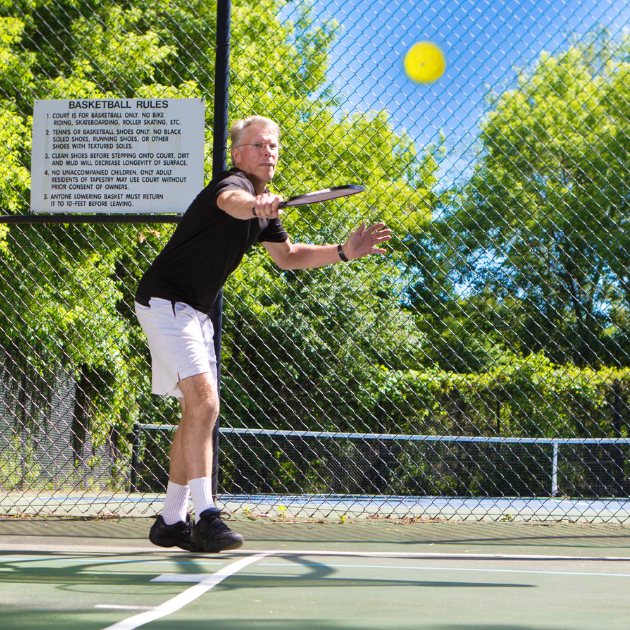
Novelty Is One of Dopamine’s Strongest Triggers
Dopamine is also released when something feels new.
Novelty stimulates attention and keeps the brain engaged. Pickleball is unpredictable by nature. No two games are the same, and no opponent plays exactly alike. Every match requires you to adapt in real time, keeping your nervous system alert and responsive.
This is one reason pickleball is easy to start and hard to stop. It remains interesting. It refuses to become routine.
It keeps the game fresh and engaging.
Competition Adds One More Layer of Dopamine
Pickleball also adds just enough competition to elevate dopamine without pushing players into anxiety. The brain enjoys the pursuit of goals and responds to challenge by increasing focus and drive.
You don’t have to be elite to compete. Games remain close. Wins feel possible. Improvement is within reach.
Your brain responds best to goals that feel achievable, not intimidating. Pickleball lives in that zone.
Why Pickleball Feels Different From Other Sports
Each of these factors matters on its own. Pickleball just happens to combine all of them into one experience.
Movement improves chemistry. Progress builds motivation. Social connection enhances emotional wellbeing. Novelty maintains interest. Competition sharpens attention.
Pickleball checks all of them.
That blend is why pickleball doesn’t feel like “just another workout.” It feels absorbing. It feels grounding. And for a lot of people, it feels emotional in a way they don’t expect from a sport.
Why Pickleball Feels Especially Good During the Holidays
During busy seasons, your nervous system takes a hit. Sleep changes. Diet changes. Stress increases. Emotional strain sneaks in.
Pickleball offers a reset without requiring you to “fix” anything. You do not have to solve your day to feel better. You simply show up and play.
Why You Keep Coming Back
Pickleball makes people feel good because the brain is designed to reward exactly what the game gives you.
Because it feeds the nervous system what it’s hungry for: movement, connection, challenge, and a sense of progress that feels real.
During a season that demands more than it gives, pickleball quietly gives something back.
Mental quiet.
Emotional lift.
Physical release.
