

Best Pickleball Ball Machines for Solo Practice (2026)
Repetition. It’s one of the fastest ways to improve in pickleball. While playing games is fun, consistent solo drilling can dramatically speed up your skill development. That’s where pickleball ball machines come in.
Pickleball ball machines allow players to practice everything from third shot drops and volleys to footwork patterns and reaction speed—without needing a partner. As the sport continues to grow, manufacturers have introduced smarter technology, longer battery life, and more portable designs, making these machines more accessible than ever.
In 2026, players have a wide range of options depending on budget, portability, and the level of customization they want in their training.
We’ll be honest—pickleball ball machines aren’t cheap, but if you’re serious about improving your game, the right machine can simulate real match scenarios—from fast baseline drives to soft kitchen dinks.
Here’s a breakdown of the best pickleball ball machines for solo practice.
Budget Pickleball Ball Machines
Budget pickleball ball machines are ideal for recreational players who want consistent feeds without investing thousands of dollars. They typically offer basic spin and oscillation features but still provide effective training.
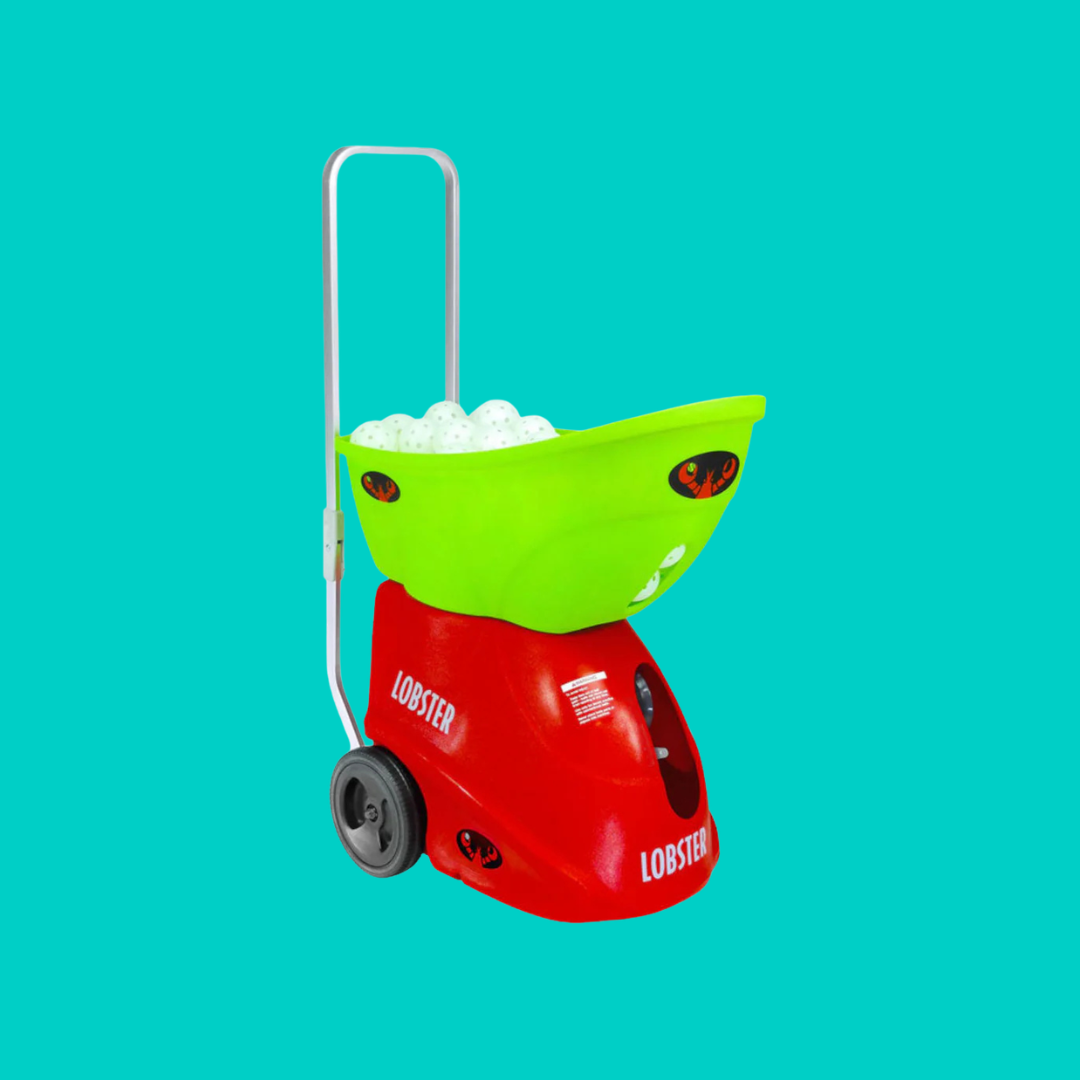
Lobster “The Pickle”
Price: $1,139
Best for: Beginner to intermediate players
The Lobster Pickle series is one of the most recognizable entry-level pickleball ball machines. Known for reliability and simple controls, it’s a strong starting point for building consistency.
Key Features:
Portability: Lightweight design (~35 lbs)
Battery Life: 3–4 hours
Spin Control: Topspin and backspin
Oscillation: Random horizontal feed
Ball Capacity: ~135 balls
Pros:
Reliable and durable
Easy to operate
Affordable entry point
Cons:
Limited drill customization
No app-based controls
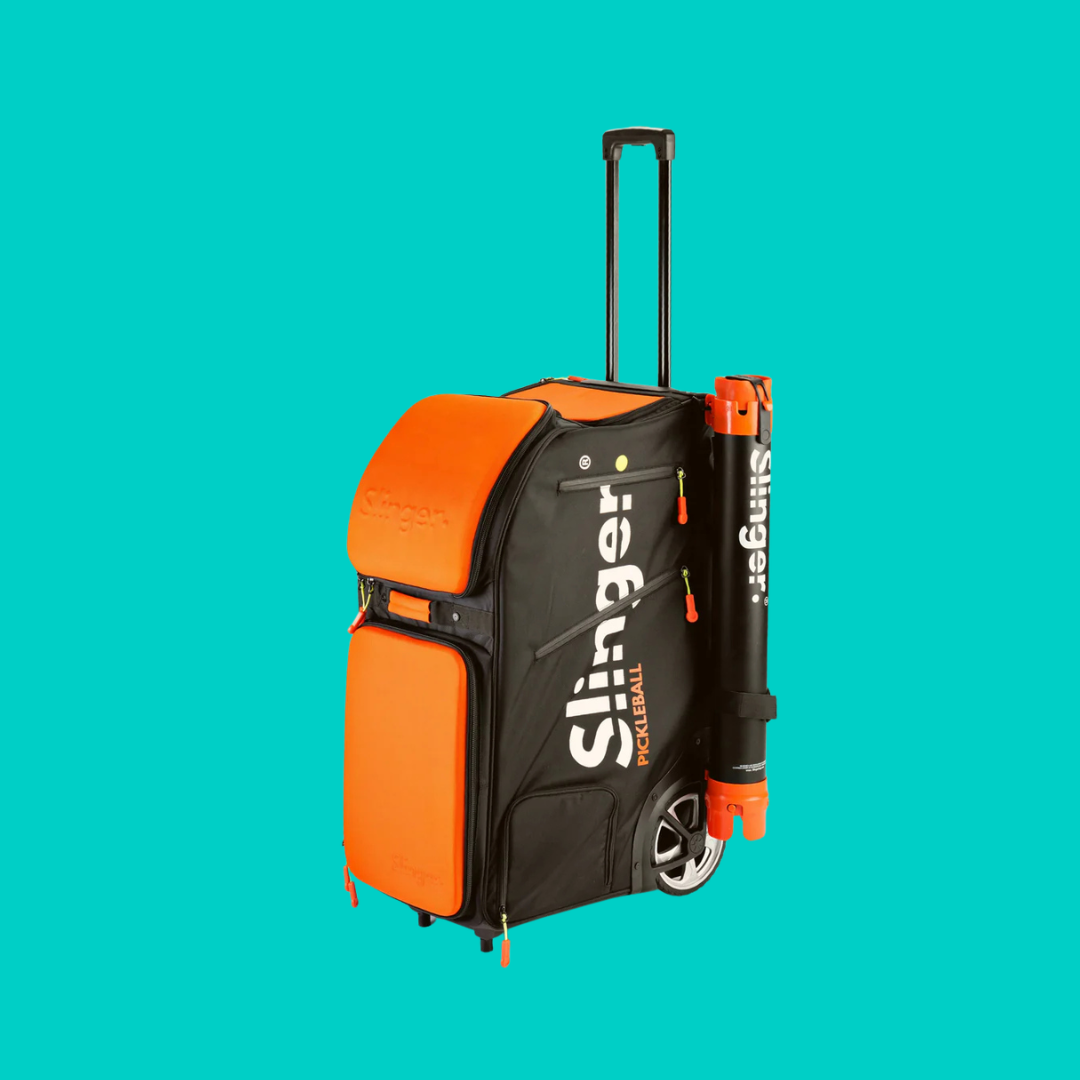
Slinger Pickleball Slam
Price: $949
Best for: Maximum portability
The Slinger machine stands out because of its rolling bag-style design, making it one of the easiest pickleball ball machines to transport.
Key Features:
Portability: Rolling bag design
Battery Life: Up to 5 hours
Spin Control: Adjustable spin
Oscillation: Optional add-on
Ball Capacity: ~144 balls
Pros:
Extremely portable
Strong battery life
Simple setup
Cons:
Limited advanced drill programming
Mid-Range Pickleball Ball Machines
Mid-range machines introduce more advanced features like programmable drills, improved spin control, and better oscillation patterns.
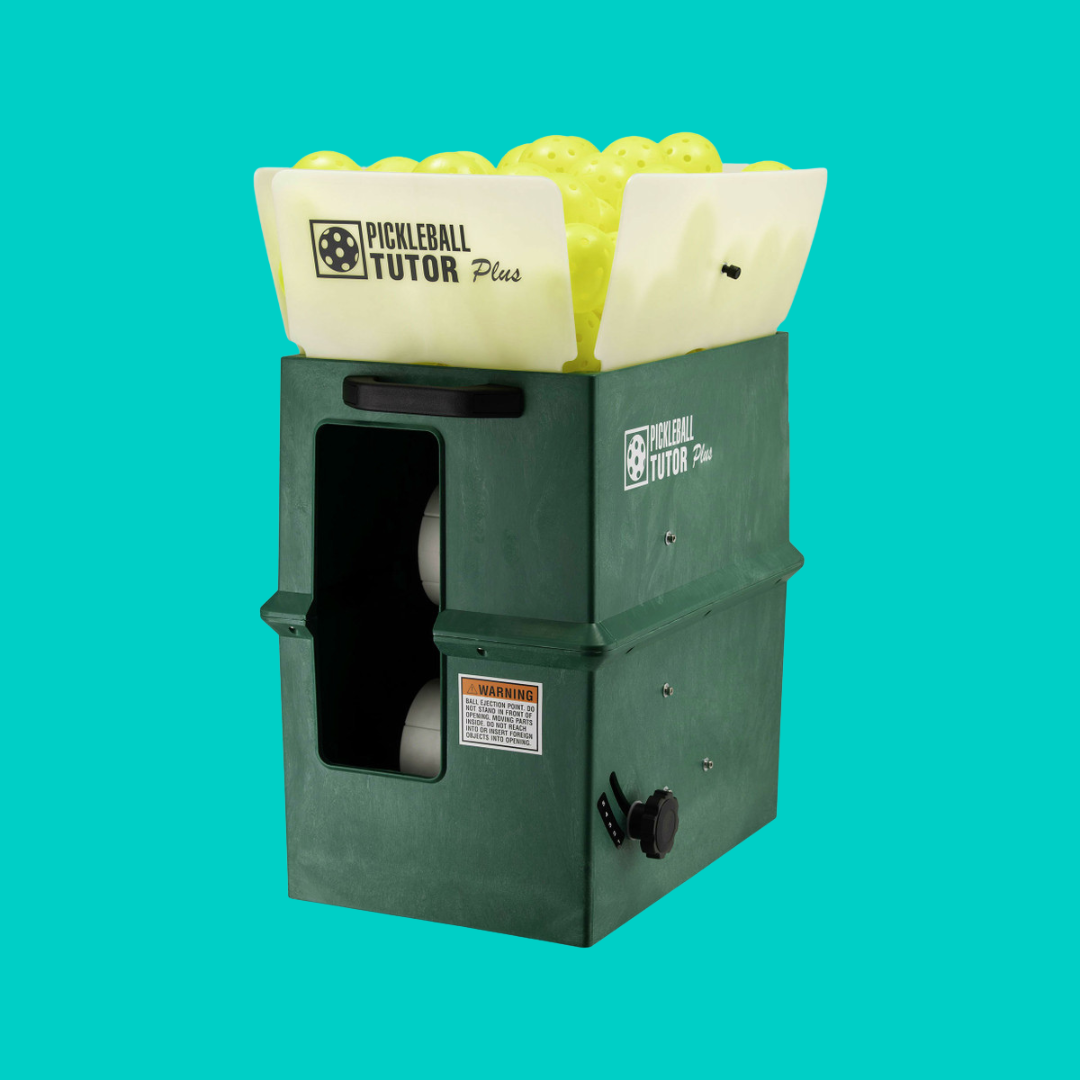
Pickleball Tutor
Price: $1,119–$1,319
Best for: Traditional ball machine users
The Pickleball Tutor series is widely used by instructors and clubs. It focuses on simplicity and durability over advanced technology.
Key Features:
Portability: ~30 lbs
Battery Life: 2–3 hours
Spin Control: Topspin and backspin
Oscillation: Random
Ball Capacity: ~110 balls
Pros:
Extremely durable
Simple controls
Trusted brand
Cons:
No smartphone integration
Basic drill customization
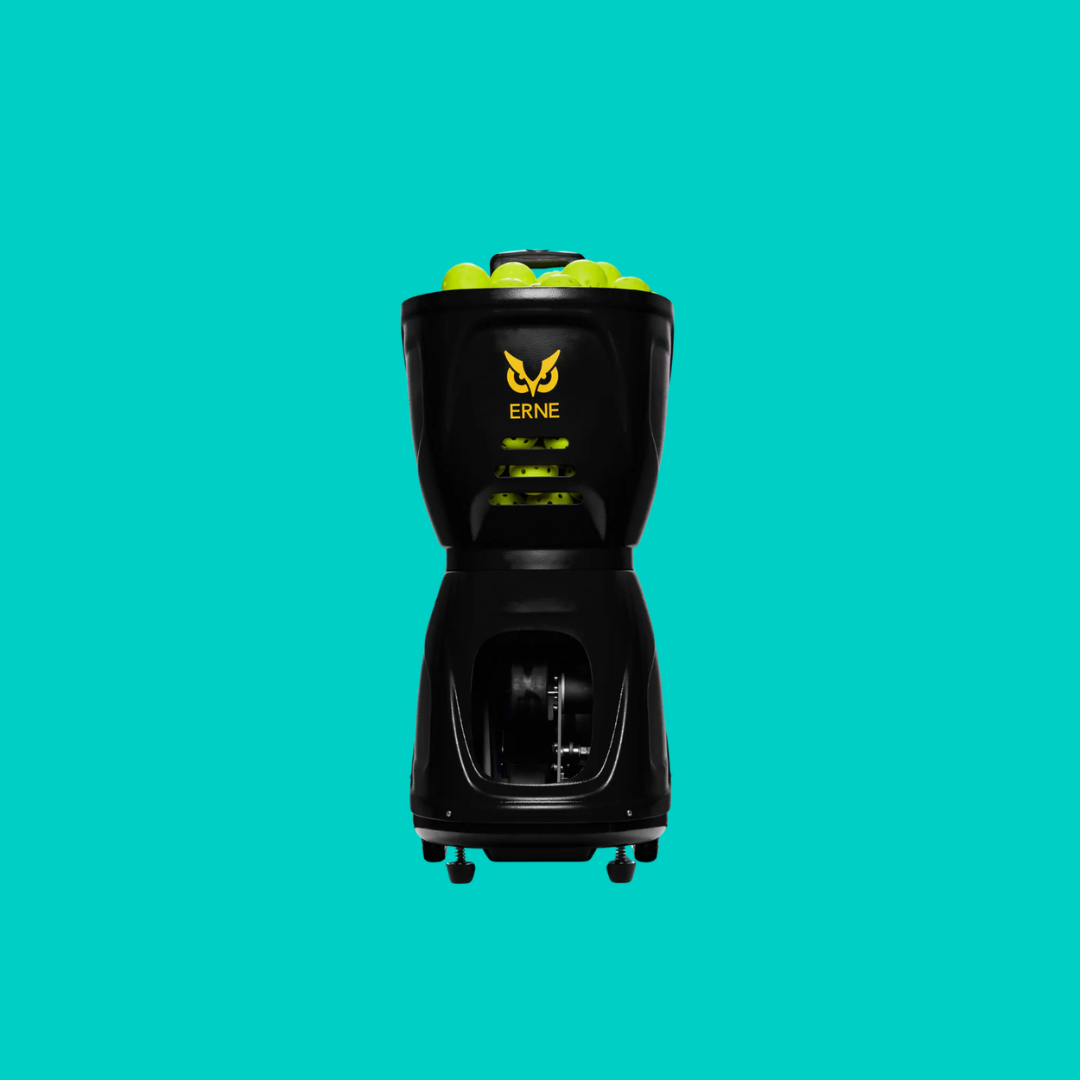
Erne Pickleball Machine
Price: $2,829
Best for: Long practice sessions
The Erne machine stands out for its large hopper and long battery life, making it ideal for extended solo training.
Key Features:
Portability: ~50 lbs
Battery Life: 6–8 hours
Spin Control: Full variation
Oscillation: Advanced patterns
Ball Capacity: ~150 balls
Pros:
Excellent battery life
Large capacity
Realistic shot variation
Cons:
Heavier and less portable
Advanced Pickleball Ball Machines
These machines are built for players who want full control over their training with customizable drills and app-based programming.
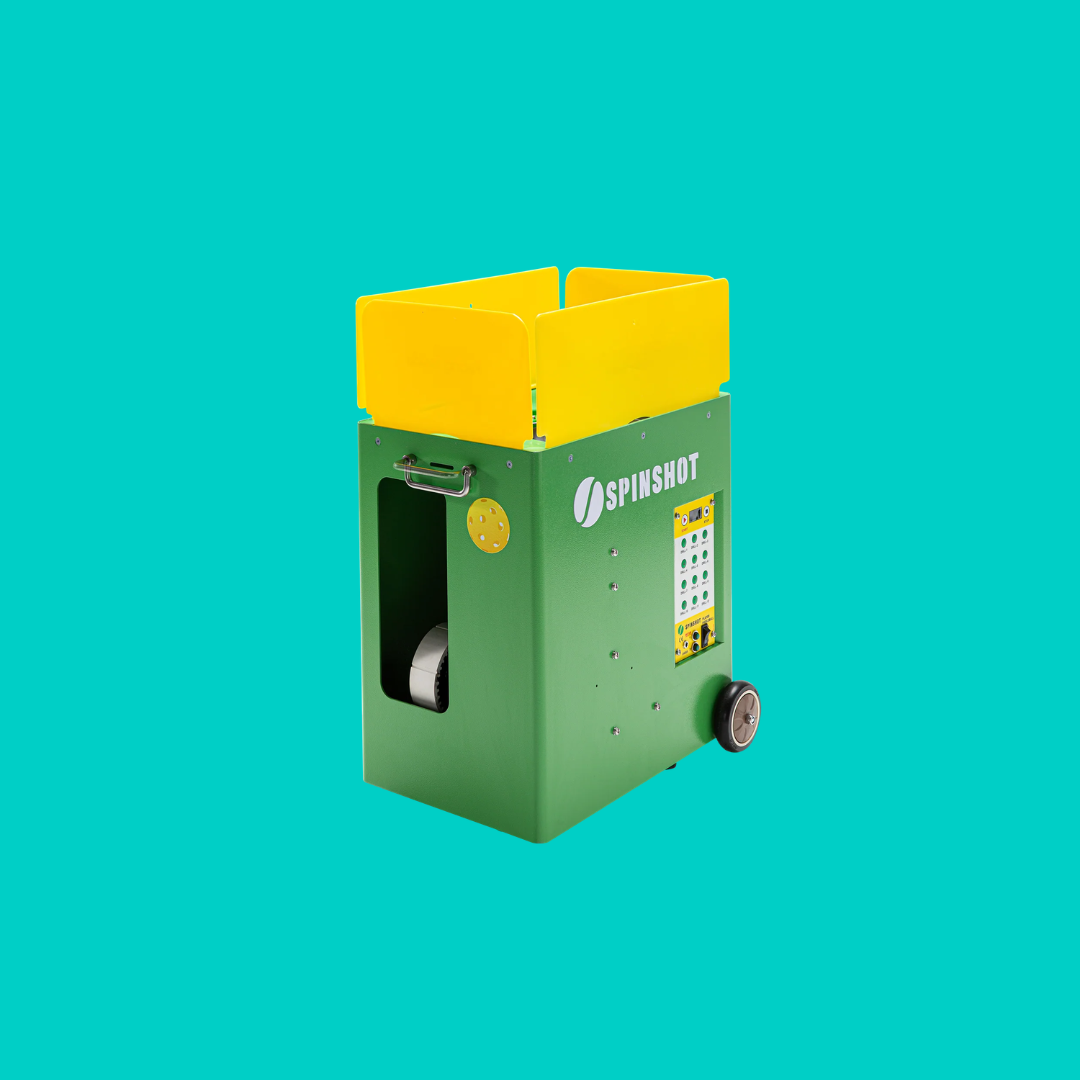
Spinshot Pickleball Machine
Price: $2,179
Best for: Custom drills and app control
Spinshot is popular among serious players for its ability to create highly customized training sessions.
Key Features:
Portability: ~42 lbs
Battery Life: 3–4 hours
Spin Control: Topspin, backspin, sidespin
Oscillation: Internal patterns
Ball Capacity: ~120 balls
Pros:
Highly customizable
Strong spin variation
App-based programming
Cons:
Learning curve with app
Heavier than some options
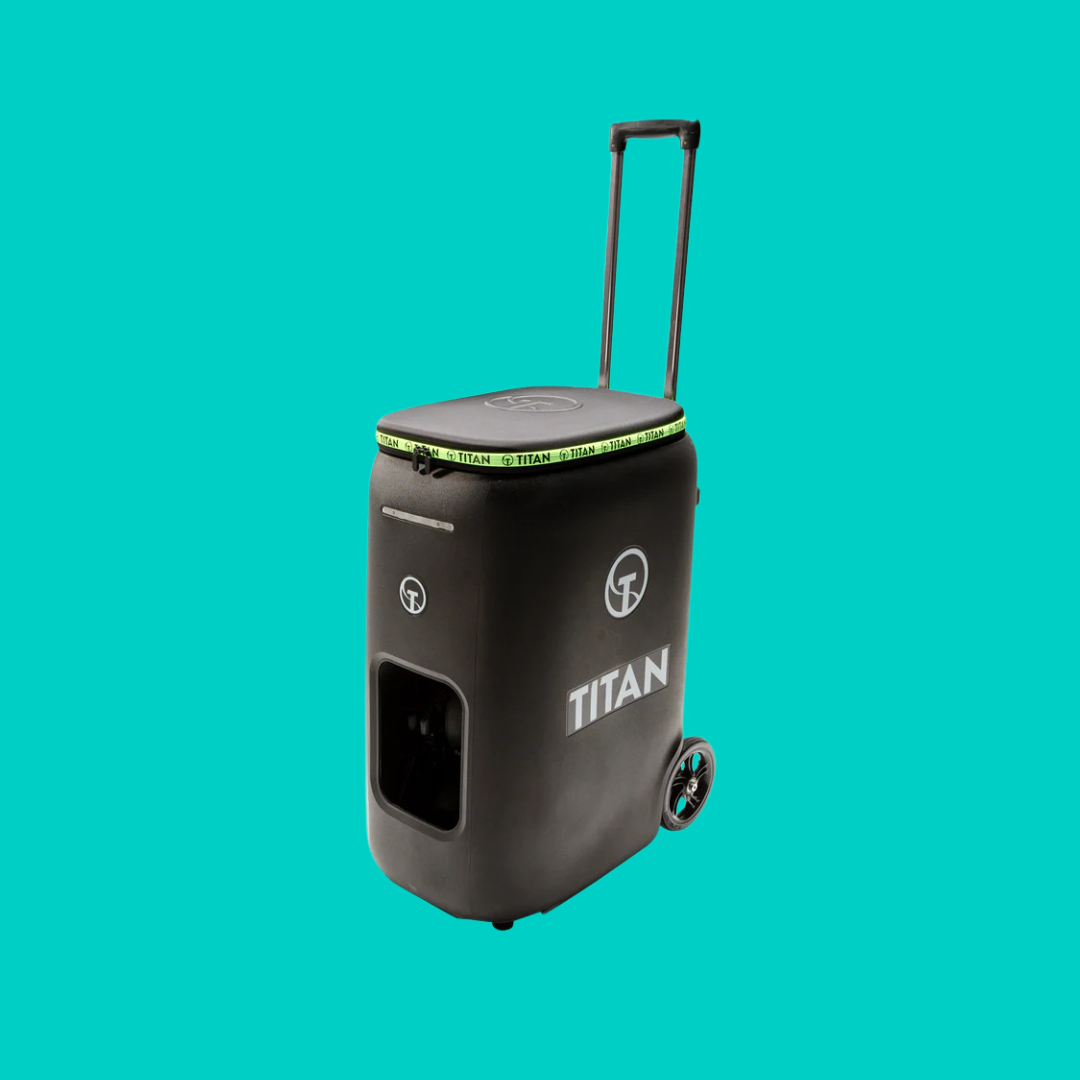
Titan ONE
Price: $2,299
Best for: Tech-driven training
Titan machines are quickly gaining attention for their smartphone integration and advanced drill programming.
Key Features:
Portability: ~39 lbs
Battery Life: 2–3 hours
Spin Control: Fully programmable
Oscillation: Full-court drills
Ball Capacity: ~110 balls
Pros:
Advanced programming
Smartphone control
Compact design
Cons:
Shorter battery life
Premium pricing
Premium / Club-Level Pickleball Ball Machines
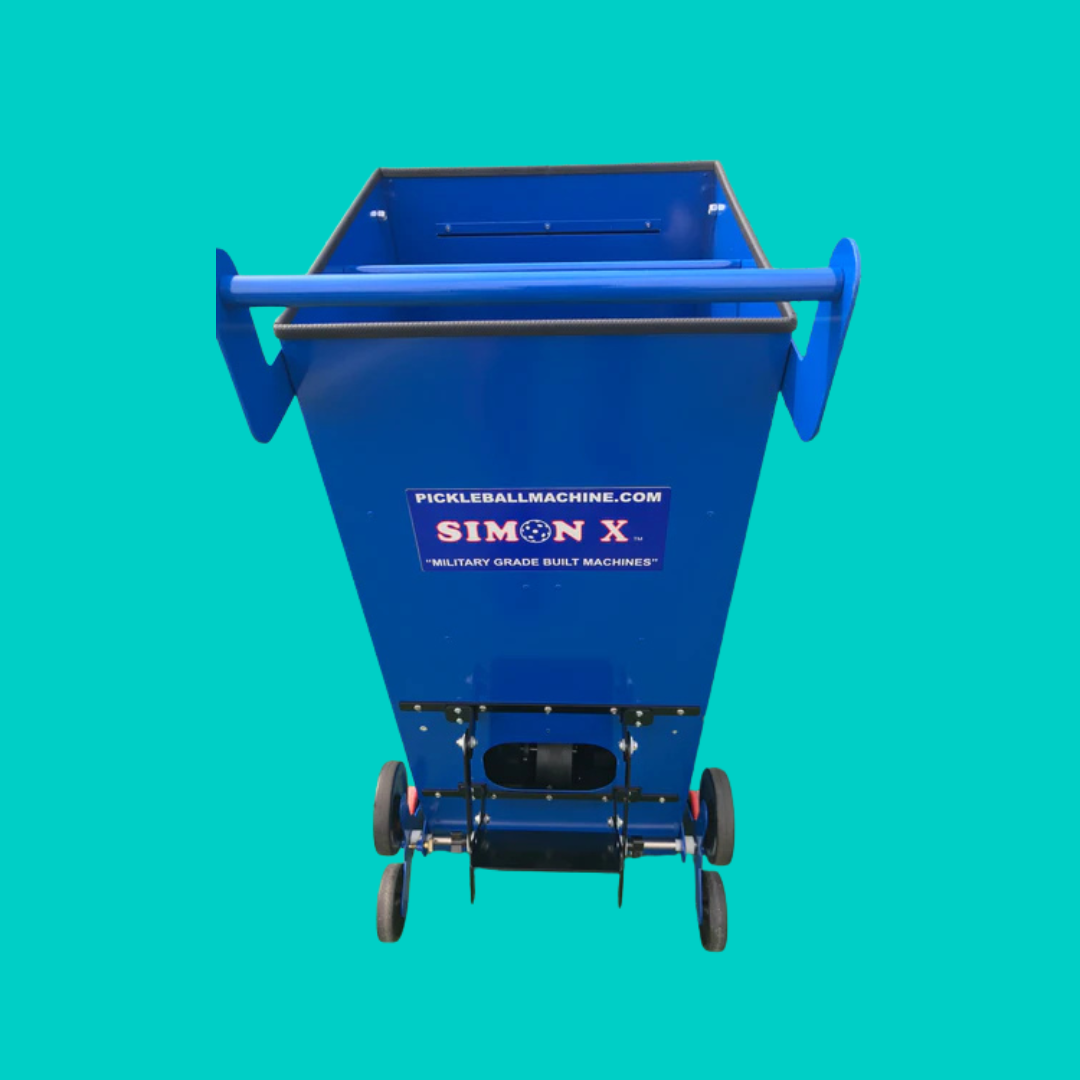
Simon X
Price: $2,695
Simon X machines are built for high-volume use and are commonly used by clubs, coaches, and training facilities.
Key Features:
Steel construction
High-speed feeds
Advanced programming
Large capacity hopper
These machines are designed for daily use and high-performance training environments.
What to Look for in a Pickleball Ball Machine
When comparing ball machines, several factors can significantly impact your choice.
Portability
Recreational players often prefer machines under 40 pounds. Wheels or bag-style designs make transport easier.
Battery Life
Battery life determines how long you can practice without recharging.
Typical ranges include:
Budget machines: 2–3 hours
Mid-range machines: 3–5 hours
Advanced machines: 6+ hours
Spin Control
More advanced machines allow players to train against different spins, which better simulate real match situations.
Oscillation Features
Oscillation allows the machine to distribute balls across different areas of the court.
Common oscillation types include:
Random feeds
Two-line drills
Full-court coverage
Programmable sequences
Price Tiers
Typical pricing for pickleball ball machines in 2026:
Budget: $900–$1,300
Mid-range: $1,500–$2,000
Advanced: $2,000–$3,000+
The Bottom Line
For players who are serious about improving, a pickleball ball machine can be one of the most valuable training tools available.
The best option depends on how often you train and what features matter most.
Best Budget Machine: Lobster “The Pickle”
Best Portable Machine: Slinger Pickleball Slam
Best Overall Training Machine: Titan ONE
Best Battery Life: Erne
Best for Clubs: Simon X
As pickleball technology continues to evolve, ball machines are becoming more advanced and realistic—making solo practice more effective than ever.
