

How to Stop Getting Chicken-Winged in Pickleball
What it is, why it happens, and how to fix it
If you’ve ever felt jammed, cramped, or completely handcuffed at the kitchen line, chances are you’ve been chicken-winged. It’s one of the most common (and frustrating) breakdowns in pickleball—and it usually shows up right when the pressure is highest.
The good news? It’s fixable. But first, you need to understand what’s actually happening.
What Is “Chicken-Winging” in Pickleball?
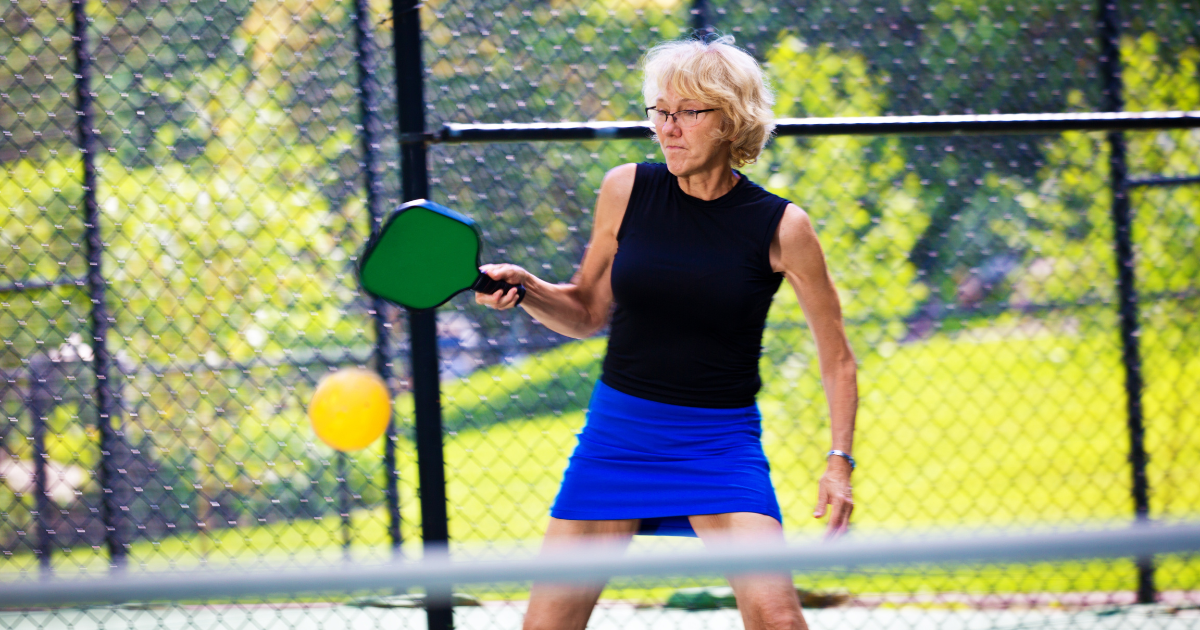
Getting chicken-winged happens when the ball is hit into your body—typically your paddle-side hip, ribs, or shoulder—and your arm gets pinned or trapped.
Instead of clean contact out in front, you’re forced into an awkward, bent-elbow position (think: elbow flared out like a chicken wing), which leads to:
Weak pop-ups
Mishits into the net
Balls sailing long
Or no real shot at all
At higher levels, opponents actively hunt this area because it’s such a reliable way to force errors.
Why It Happens
Chicken-winging isn’t random. It’s usually the result of one or more of these issues:
1. Poor Ready Position
If your paddle is too low, too far to one side, or not centered, you’re already late reacting to body shots.
Signal: You feel rushed when the ball comes down the middle or at your torso.
2. Slow Hands
At the kitchen line, everything happens fast. If your hands can’t keep up, your body becomes the target.
Signal: You handle dinks fine, but speed-ups catch you off guard.
3. Standing Too Upright
An upright stance limits your ability to adjust quickly and protect your body.
Signal: You feel stuck or frozen when attacked.
4. Overcommitting to One Side
Leaning too far to your forehand or backhand leaves your center exposed.
Signal: You’re strong on one side—but get jammed when the ball comes slightly inside.
5. Poor Footwork
If your feet aren’t active, you can’t create space to hit the ball cleanly.
Signal: You reach instead of moving.
How to Fix Getting Chicken-Winged
Now for the part that matters—how to stop it from happening.
1. Establish a Neutral Ready Position
Your paddle should be out in front and centered around chest height.
Think:
Elbows slightly in front of your body
Paddle angled slightly upward
Hands active, not static
This alone will reduce how often you get jammed.
2. Anticipate the Attack
Better players disguise speed-ups—but patterns still exist.
Look for:
High dinks
Balls that sit up
Opponents leaning forward or loading
When you sense a speed-up coming, tighten your stance and get your paddle ready early. Make contact slightly in front of your body.
3. Counterattack Instead of Just Defending
Once you recognize the attack, don’t just absorb it—counter it.
Use:
Backhand volley
Pancake shot
Why this works:
Counters can end the point immediately
It discourages future attacks
It lets you take control of the exchange
Top players win a lot of points by countering, not just initiating offense.
4. Create Space with Micro-Footwork
You don’t need big movements—just small adjustments:
Shuffle a few inches left or right
Drop your outside foot slightly back
Open your hips just enough
Even a few inches of space can turn a jammed shot into a clean counter.
5. Shorten Your Swing
Long swings are the enemy in fast exchanges.
Focus on:
Compact punches
Minimal backswing
Blocking and redirecting instead of “hitting”
Think quick hands, not big swings.
A Simple Drill to Fix It Fast
Body Shot Defense Drill
Partner stands across at the kitchen line
They aim ~70% of balls at your torso
Your job:
Backhand counters
Contact out in front
Small foot adjustments
Start slow, then increase speed.
This builds:
Reaction time
Positioning
Confidence under pressure
The Big Mindset Shift
You’re not just getting chicken-winged—your opponents are choosing to attack you there.
Once you clean this up, two things happen:
You stop giving away free points
Opponents lose a major weapon against you
That’s when the game starts to tilt in your favor.
