

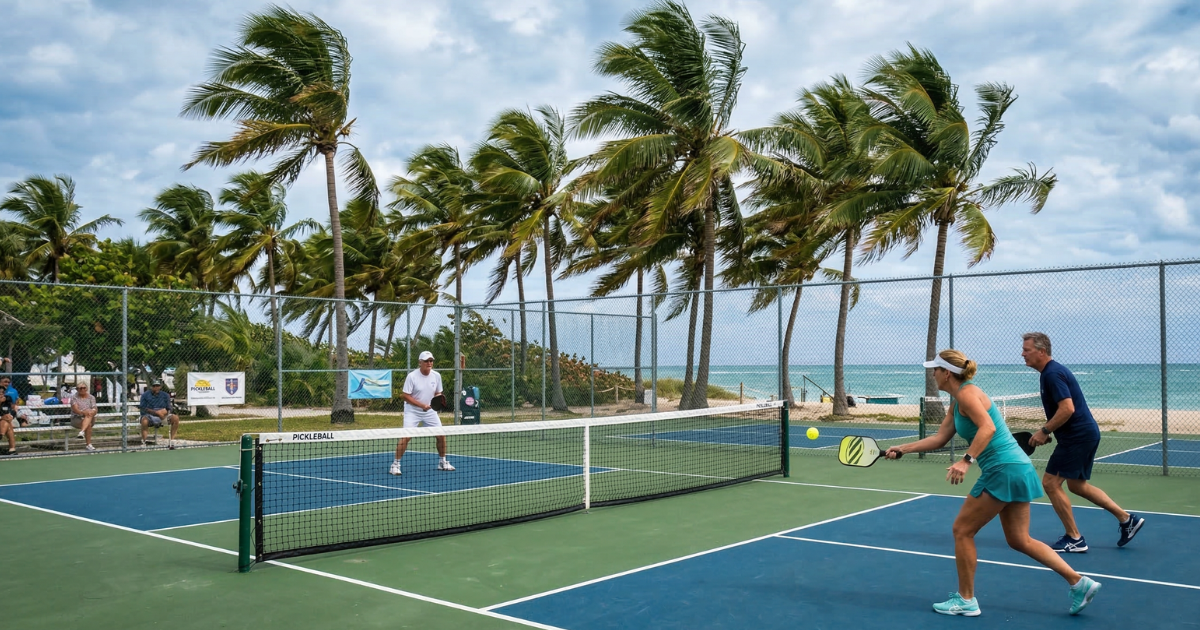
How to Play Pickleball in the Wind: Smart Adjustments That Win Points
Wind can dramatically change how pickleball is played. Learn simple strategies and adjustments that help you control the ball, reduce errors, and win more points when playing pickleball in windy conditions.
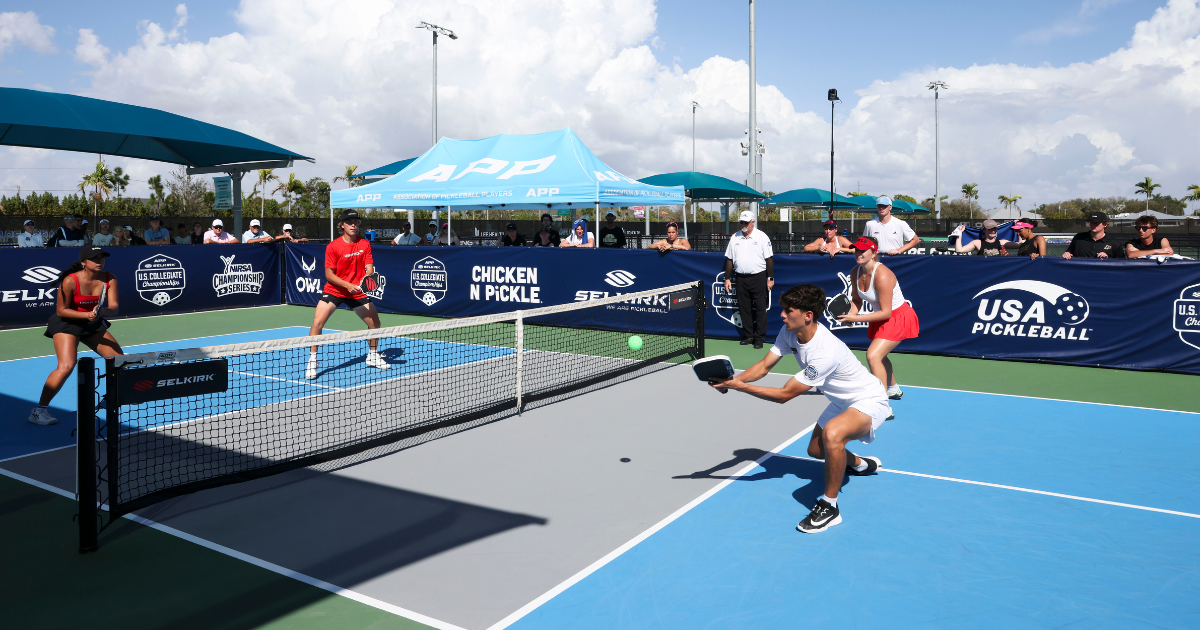
5 Advanced Pickleball Strategies to Improve Your Game Fast
Looking to improve your pickleball game quickly? These five advanced pickleball strategies will help you control rallies, create better attacking opportunities, and force opponents into mistakes.
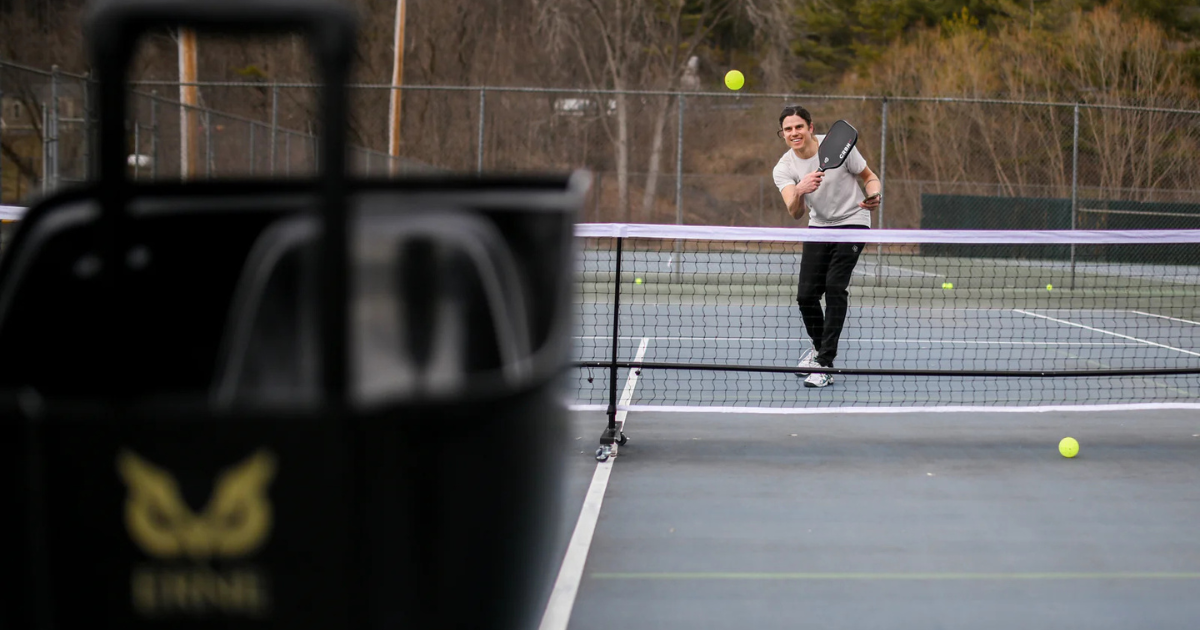
Just You and the Machine: Five Ball Machine Drills That Actually Fix Your Game
Ball machines can transform your pickleball training—if you use them correctly. These five structured pickleball ball machine drills focus on mechanics, soft hands, transition control, and decision-making to help you improve faster than casual play.
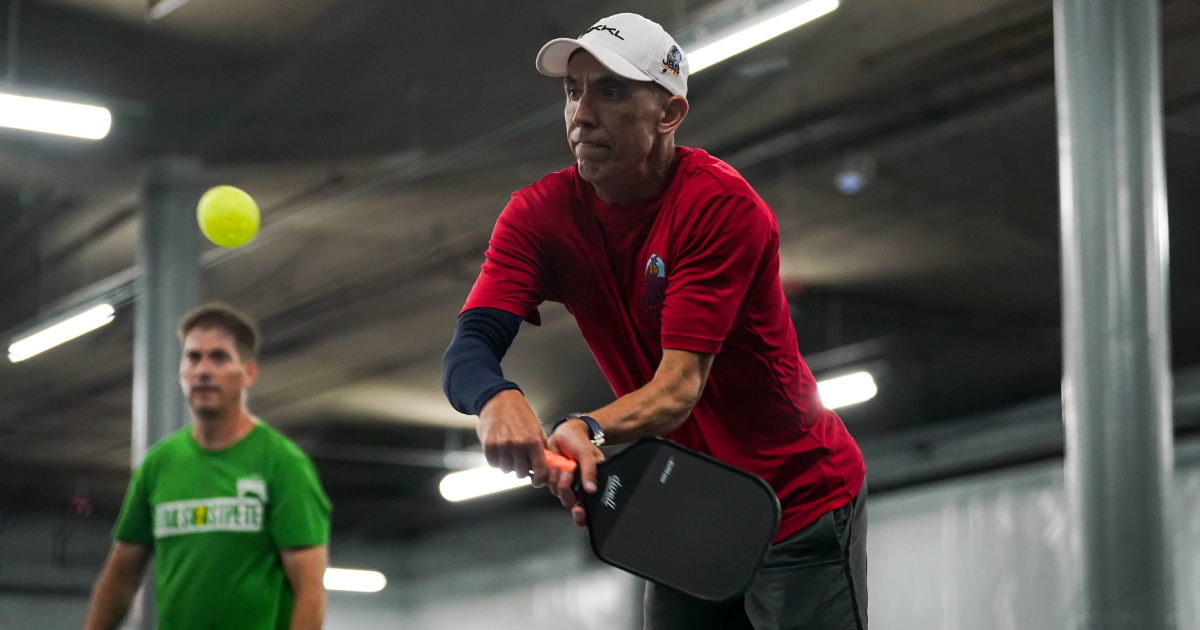
Types of Spin in Pickleball: When and How to Use Them
Learn the three main types of spin in pickleball—topspin, backspin (slice), and sidespin—and when to use each one. Discover how spin controls contact height, creates weak replies, and turns solid fundamentals into point-winning pressure.
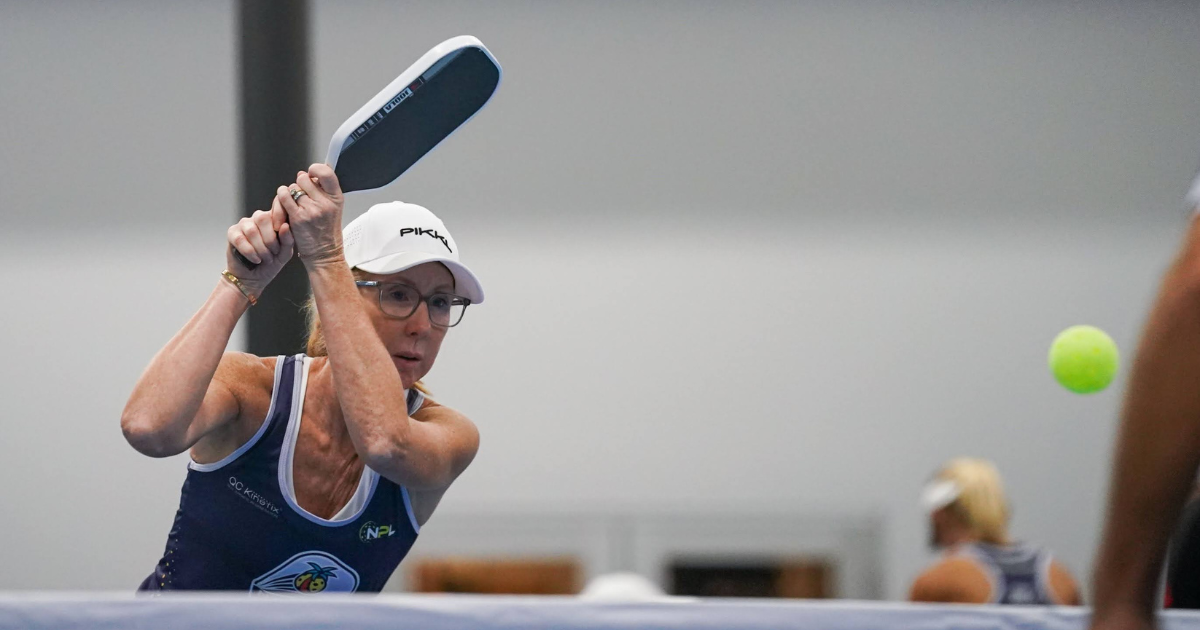
Why Doing Less Is Actually the Ultimate Pickleball Strategy
In pickleball, more effort doesn’t always mean better results. Learn why doing less—staying balanced, neutralizing first, and controlling tempo—is often the ultimate pickleball strategy for winning more points and reducing unforced errors.
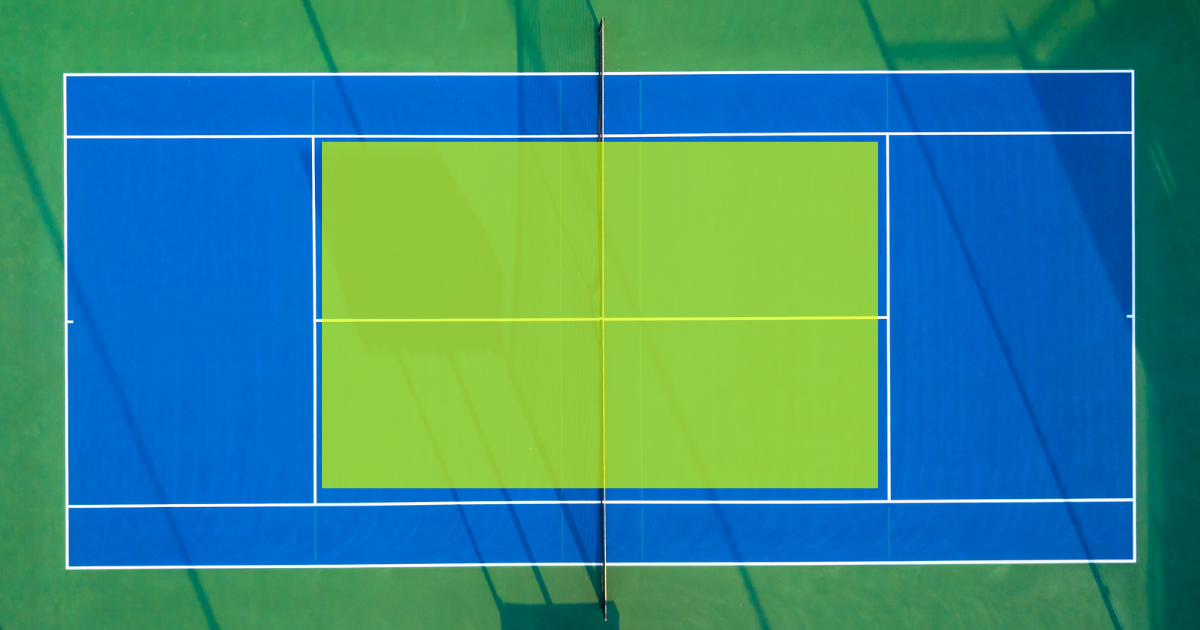
Kitchen Confidential: The 2026 Guide to Non-Volley Zone Rules (And Myths)
Confused about pickleball’s kitchen rules? This 2026 guide breaks down non-volley zone (NVZ) rules, common myths about momentum and contact, and the gray areas players argue about—so you can play confidently and avoid costly faults.
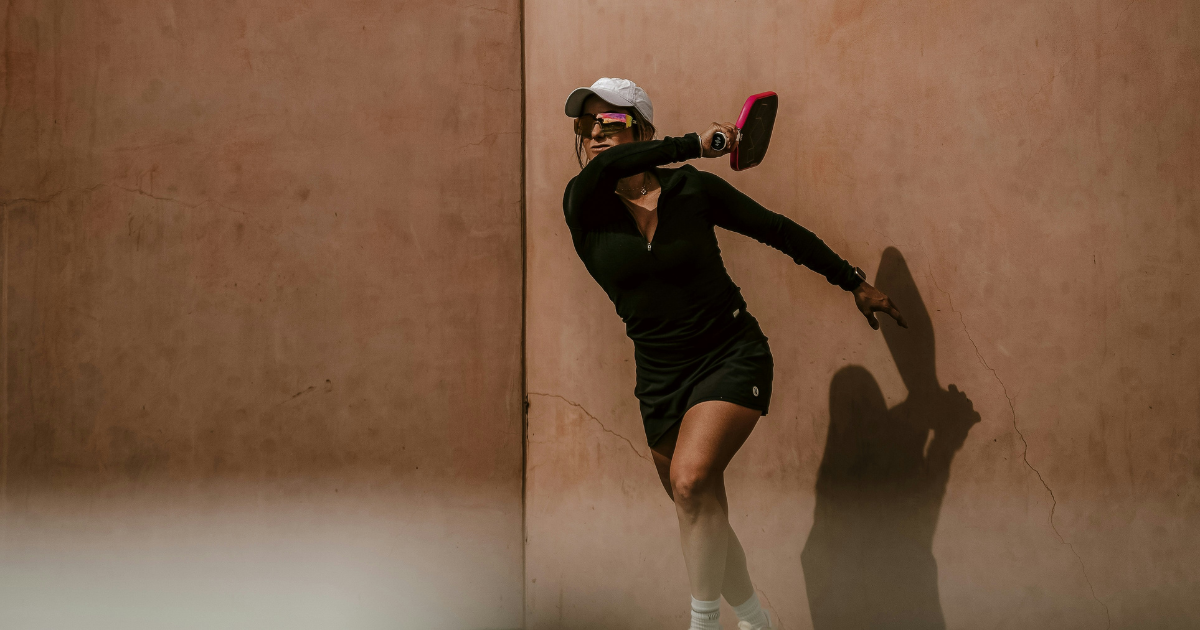
Constructing the Point: How to Know Exactly When to Pull the Trigger
In modern pickleball, power alone won’t win you matches. True control comes from point construction—knowing when to apply pressure, when to reset, and when you’ve earned the right to attack. If you want fewer unforced errors and more disciplined wins, it’s time to master the “green light” ball.
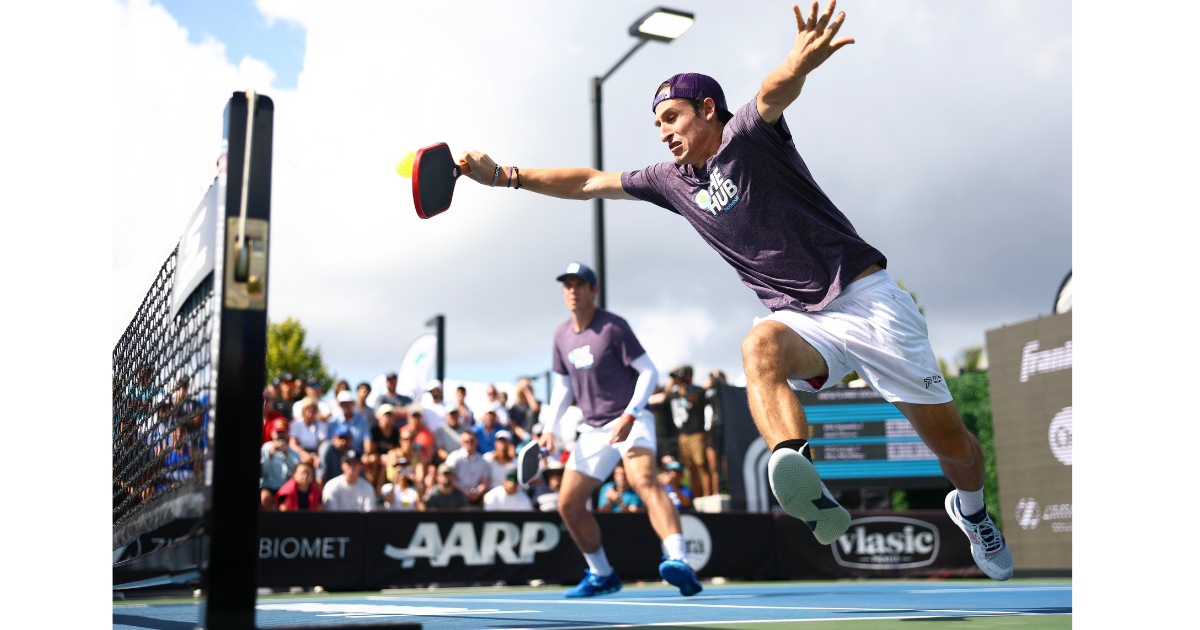
The Highlight Reel: Mastering the ATP, Erne, and Tweener Without Losing the Point
The ATP, Erne, and tweener are pickleball’s most electrifying shots—but they’re also the easiest to misuse. Learn when to attempt these advanced plays, how to execute them properly, and why recovery matters more than the highlight.
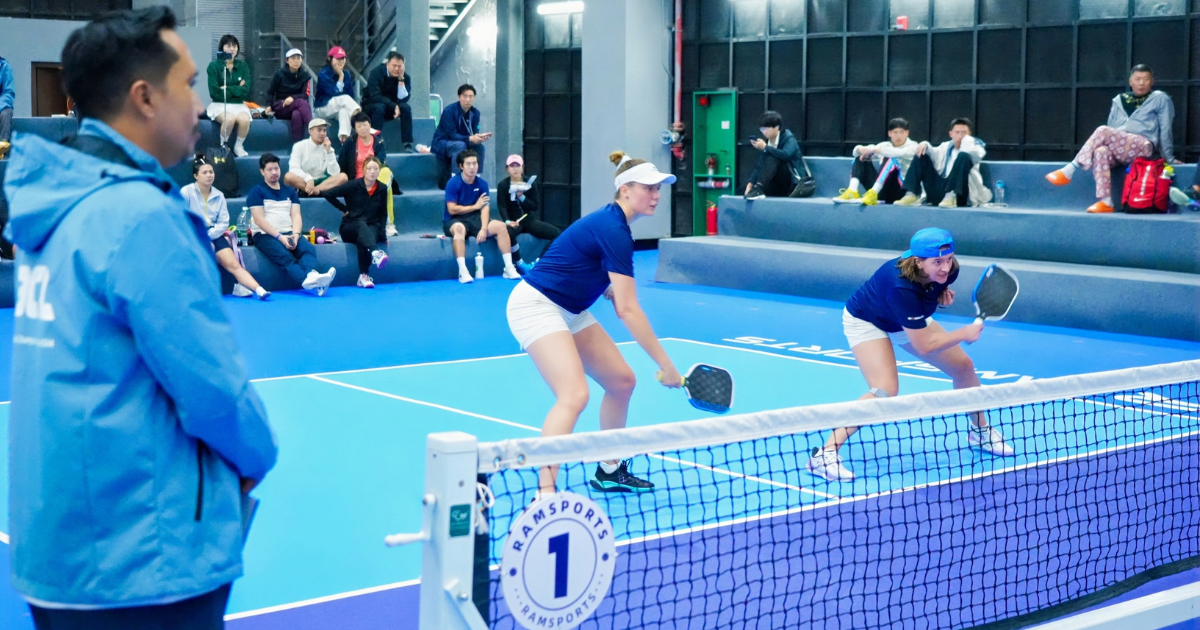
The Shrinking Court: Why Cross-Court Makes More Sense
The pickleball court may look like a simple 20-by-44-foot rectangle, but once all four players reach the kitchen line, the playable space shrinks dramatically. Understanding how that geometry changes—and why the diagonal gives you more margin for error—can immediately improve your shot selection and reduce unforced errors.
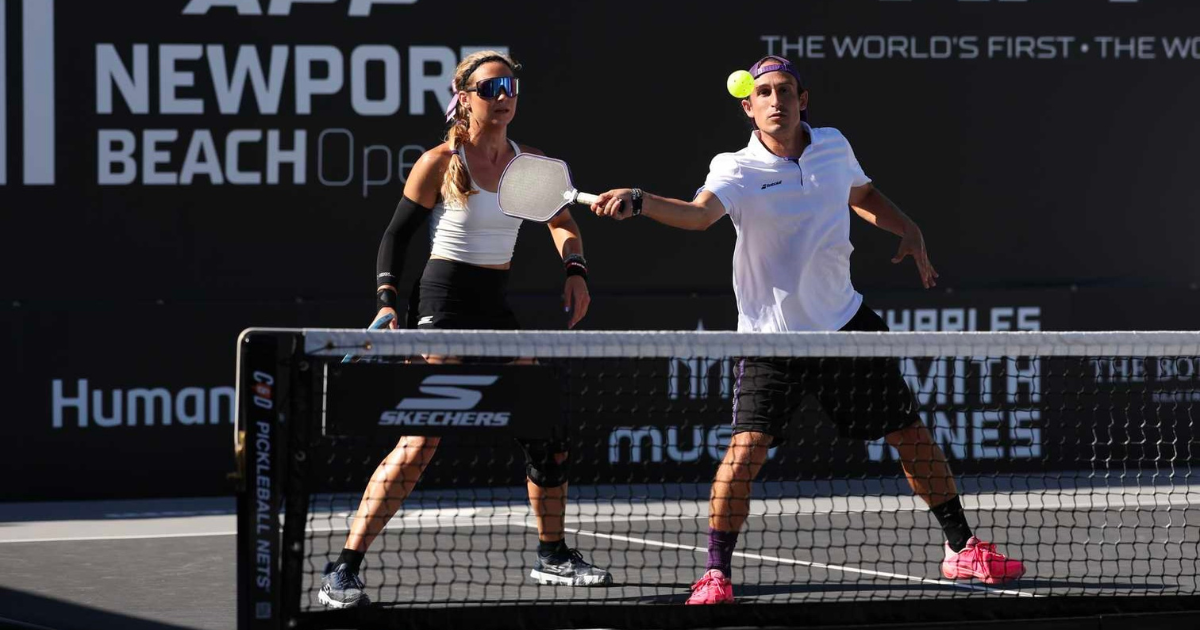
The "Shake & Bake" Deconstructed: How to Master Pickleball's Best 1-2 Punch
The shake and bake is one of pickleball’s most effective offensive patterns when executed with timing and trust. By pairing a well-placed third-shot drive with an aggressive crash at the net, teams can neutralize the return team’s advantage and finish points quickly.
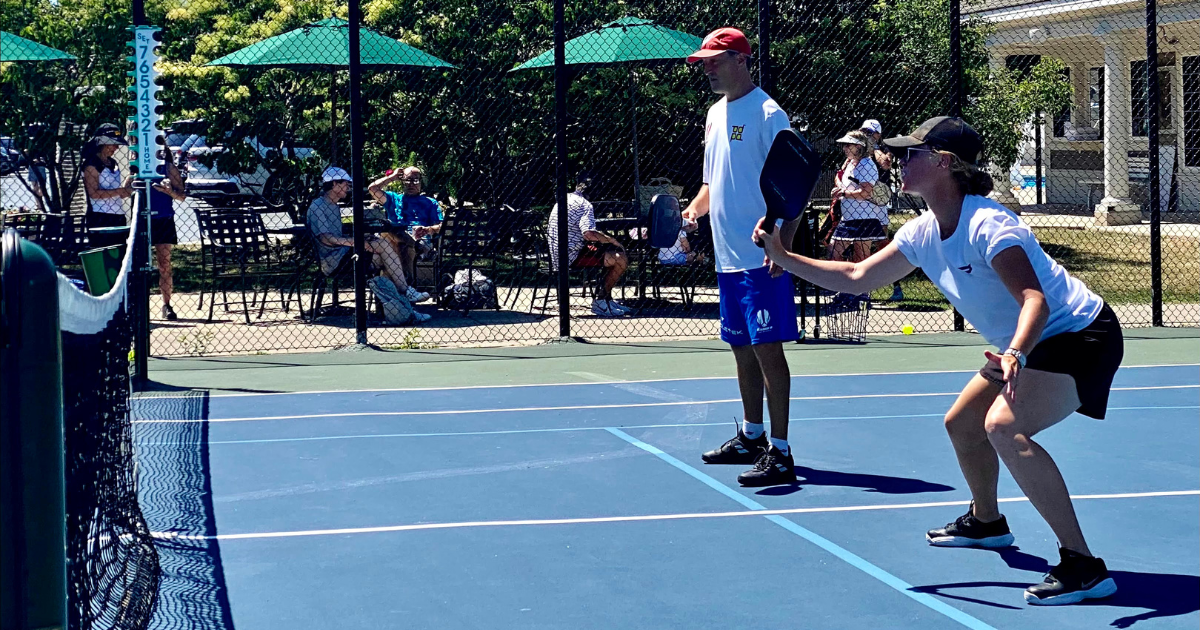
Why So Many Players Back Up at the Kitchen Line (And Why It Hurts Their Game)
Backing up at the kitchen line is a common habit among beginner and intermediate pickleball players, but it often creates more problems than it solves. Understanding when to hold your position and when to step back with intention can change how effectively you control points at the net.
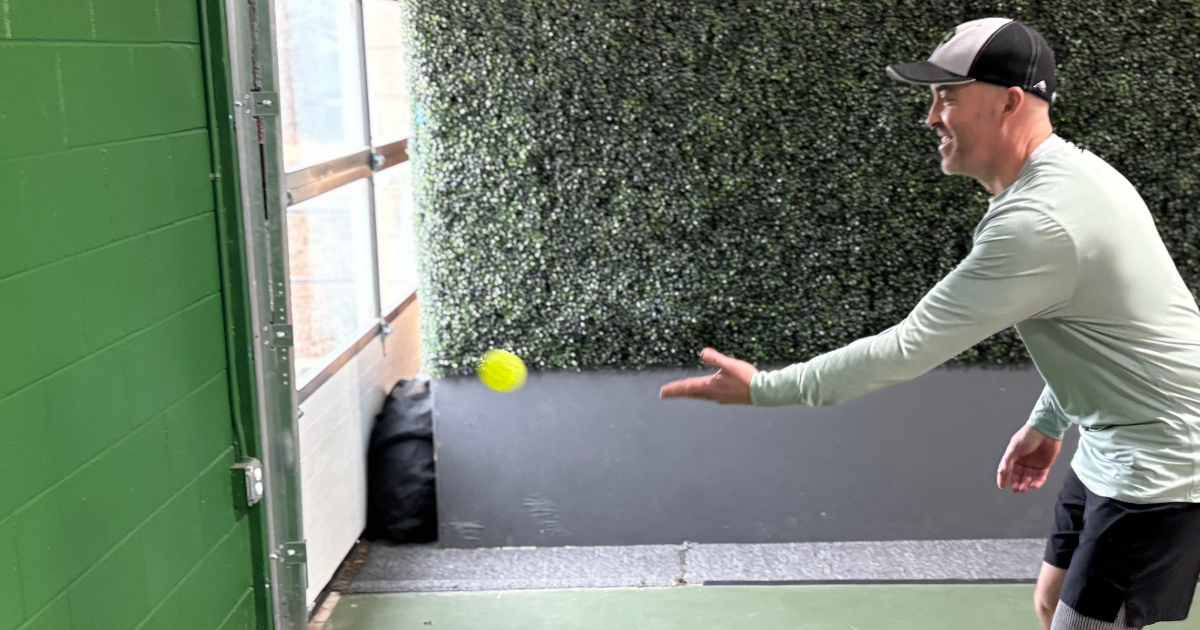
3 Solo Wall Drills to Improve Your Pickleball Hand Speed
If you want faster hands, better touch, and more confident resets at the kitchen line, you don’t need a drilling partner. Wall drills compress reps, force quicker reactions, and expose weaknesses fast. These simple solo drills help improve hand speed, control, and touch using real-game pickleball sequences.
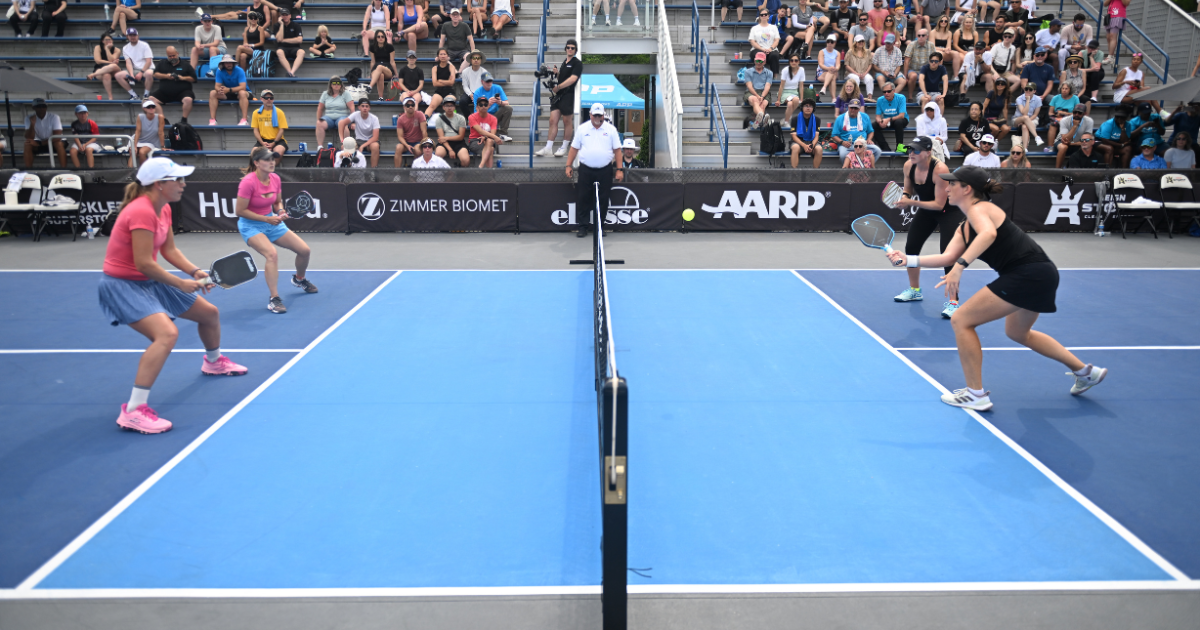
Why the Lob Is the Most Underrated Shot in Pickleball
The lob might be the most misunderstood shot in pickleball. Often hit out of panic or habit, it’s frequently misused. But when executed with intention and control, the lob can be a smart, strategic weapon that disrupts rhythm, resets points, and shifts momentum.
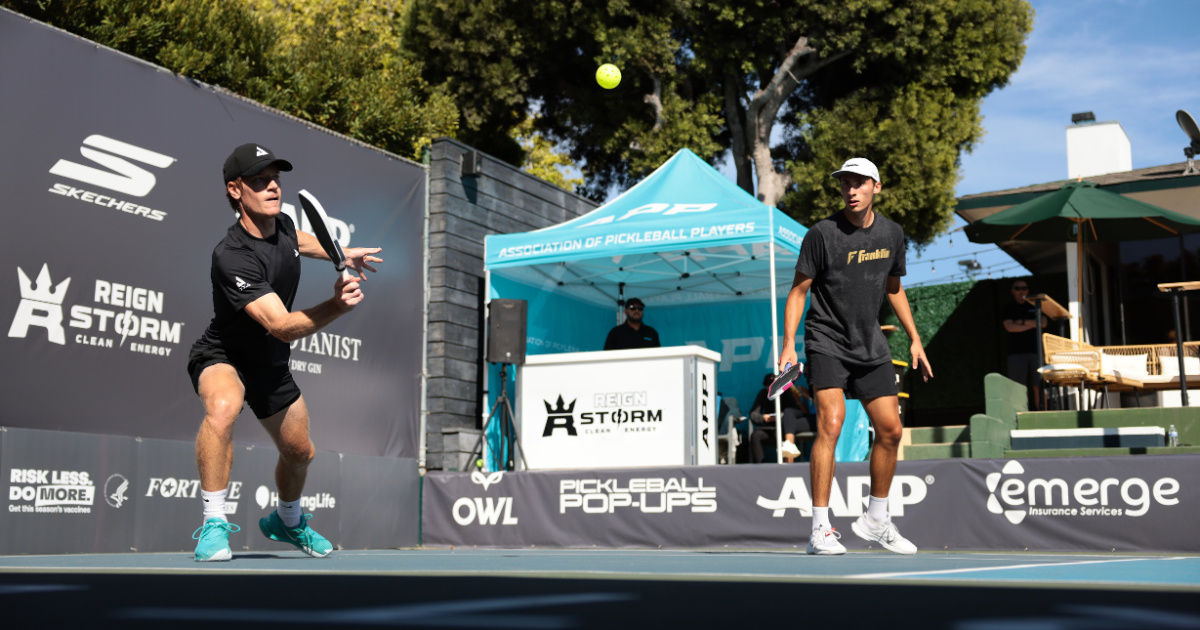
How to Reset Effectively When You’re Pushed Off the Kitchen Line
Getting pushed off the kitchen line is part of pickleball. Learning how to reset calmly and regain control is what separates smart players from panicked ones.
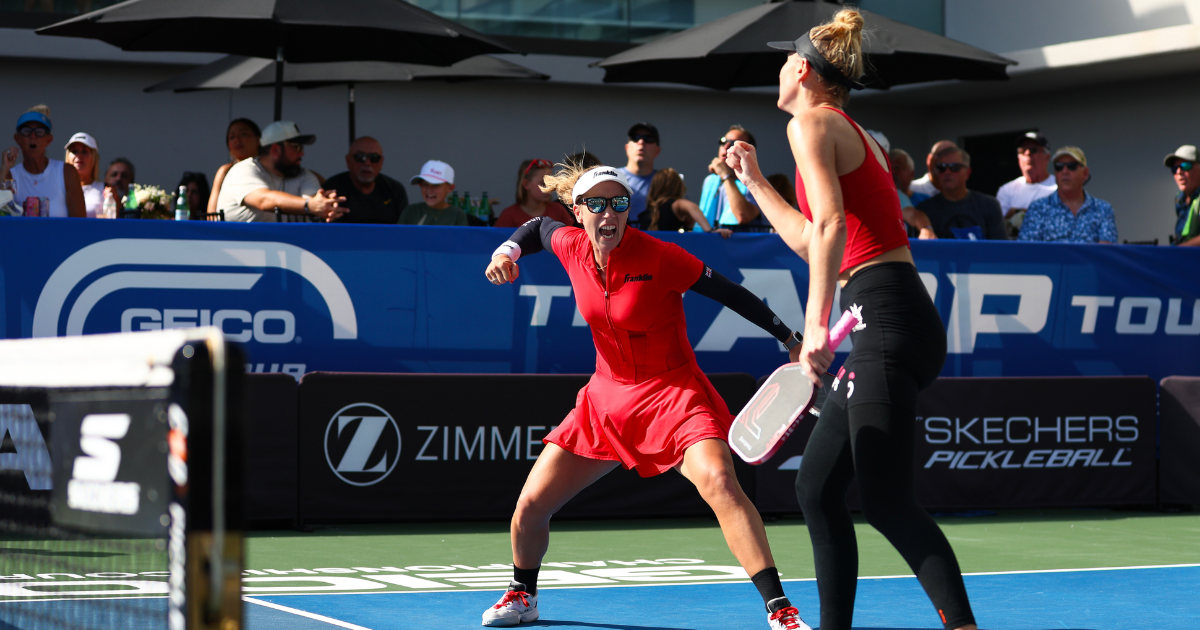
Why Women Need to Stop Apologizing on the Pickleball Court
Apologizing after missed shots is common in women’s doubles, but it quietly undermines confidence, rhythm, and partnership trust. Here’s how to reset on-court communication and play with more clarity in 2026.
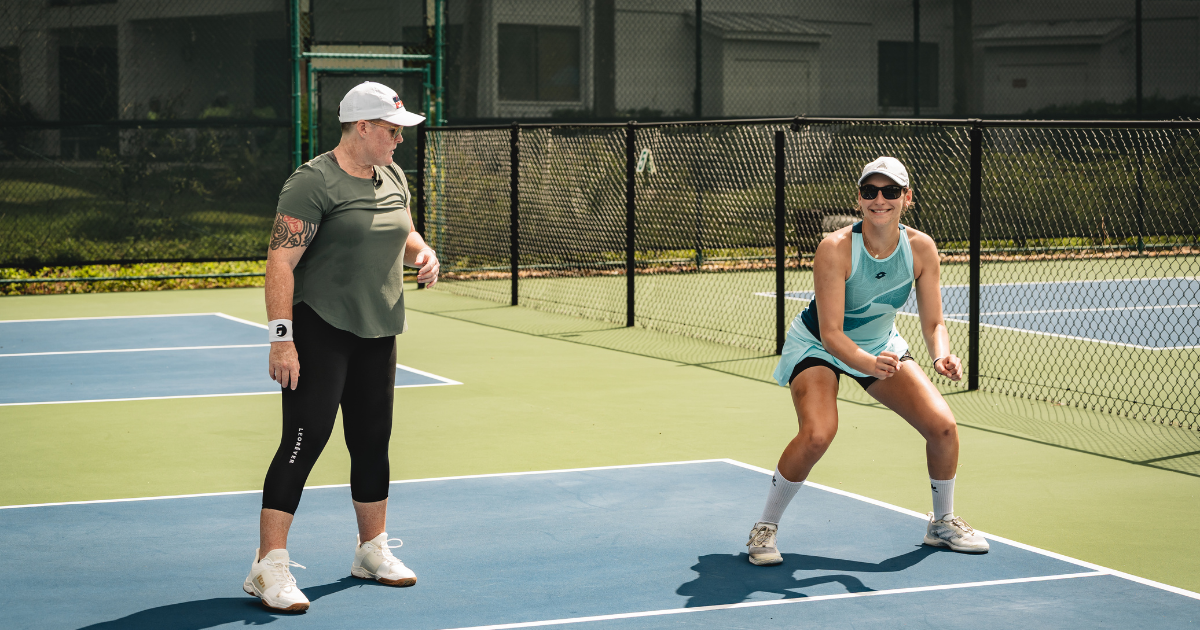
How to Break Bad Pickleball Habits—and Avoid Forming New Ones
Bad pickleball habits don’t start as mistakes—they start as shortcuts. Learn how to break poor mechanics, avoid overcorrection, and retrain your game the right way before bad habits stick for good.
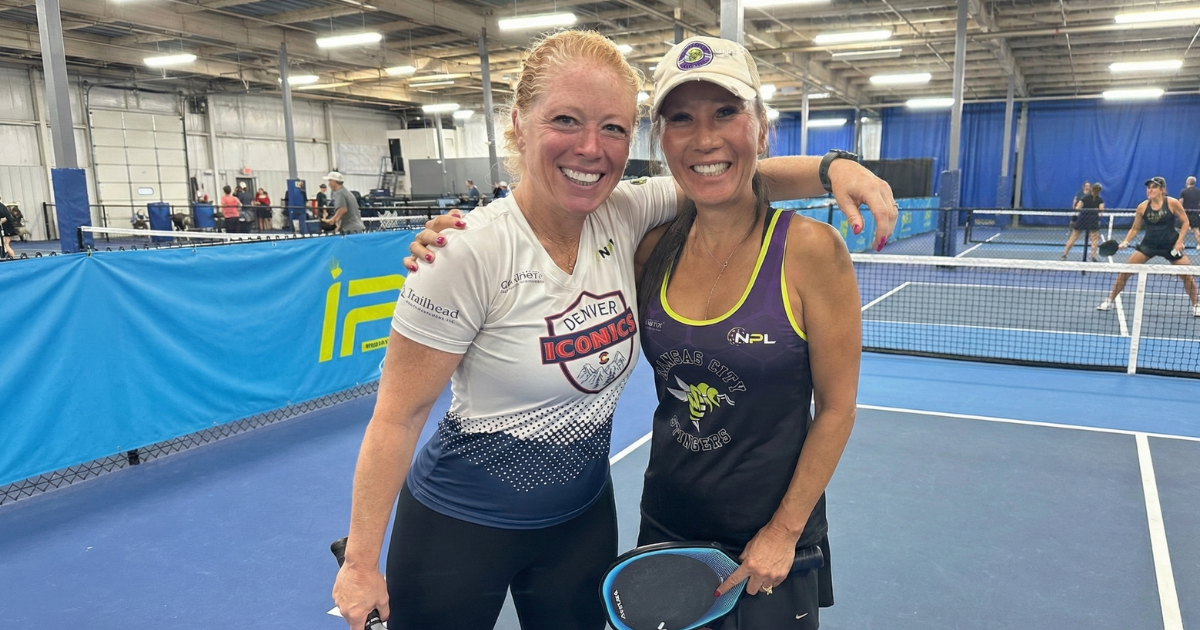
One of the Most Overlooked Skills in Pickleball (And It’s Not What You Think)
When players focus on improving their pickleball game, they often overlook one of the most important skills of all: sportsmanship. Court etiquette shapes the experience for everyone and plays a bigger role in performance and enjoyment than most players realize.
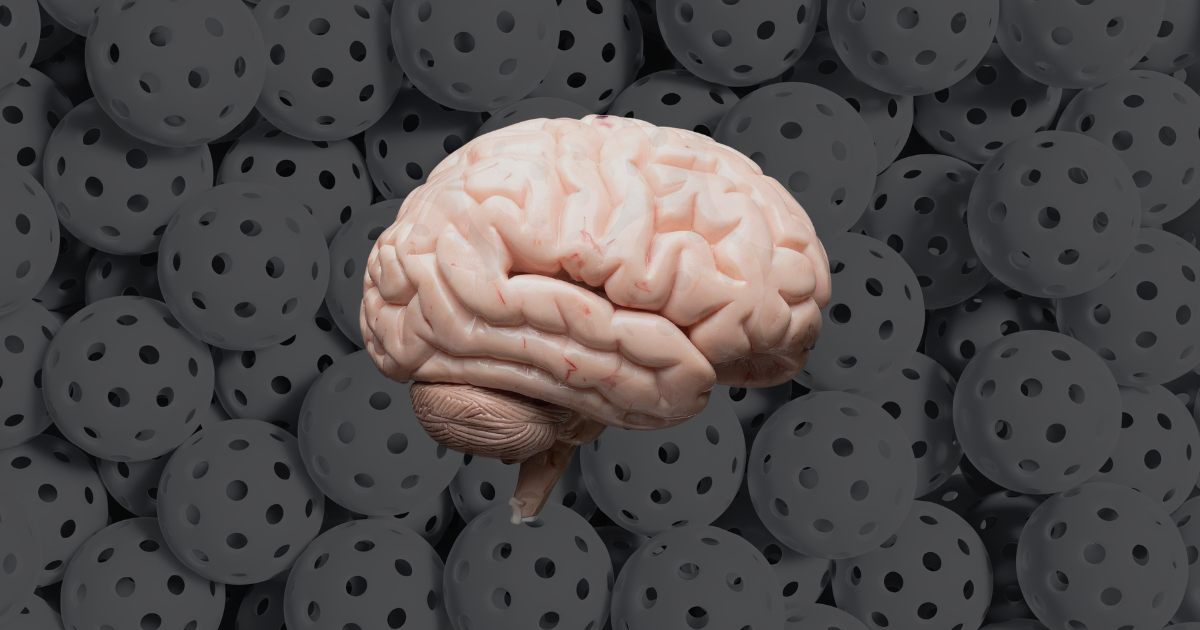
Most Overlooked Skill in Pickleball (And How to Train It)
The most overlooked skill in pickleball isn’t a shot or a drill. It’s mental awareness. Learning how to adapt, reset, and stay calm under pressure can make a bigger difference than any technical tweak.
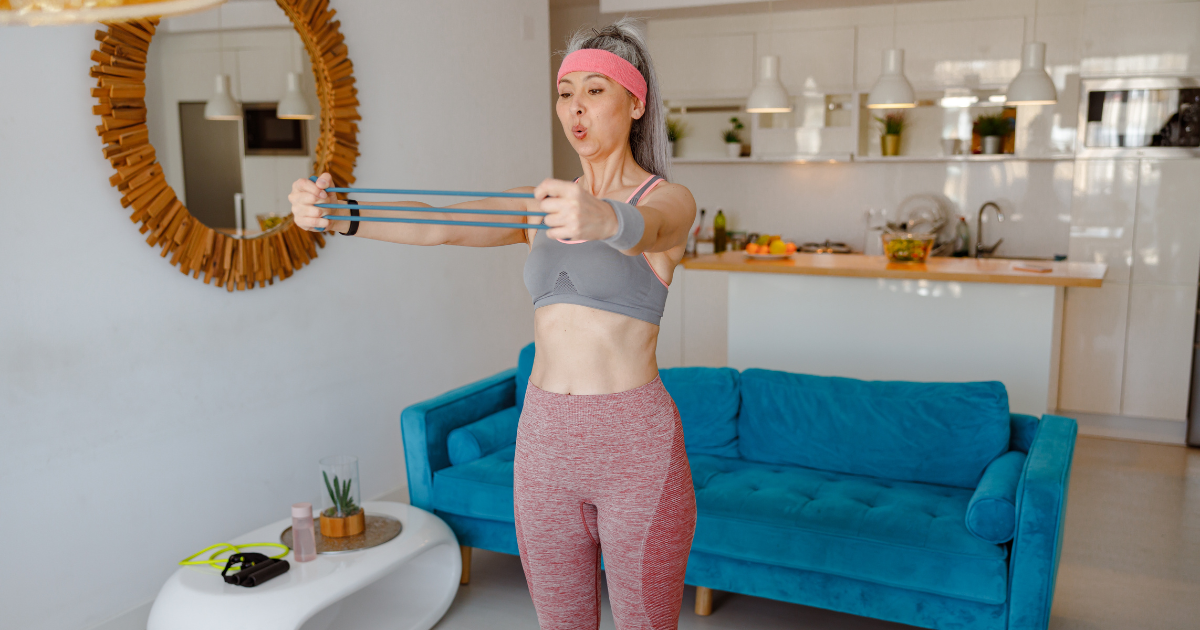
Why Rotational Strength Matters More Than Raw Power
Power in pickleball isn’t about swinging harder. It comes from how efficiently your body rotates and transfers energy from the ground up. Understanding rotational strength can help players generate more consistent power, improve control, and reduce strain on the body.
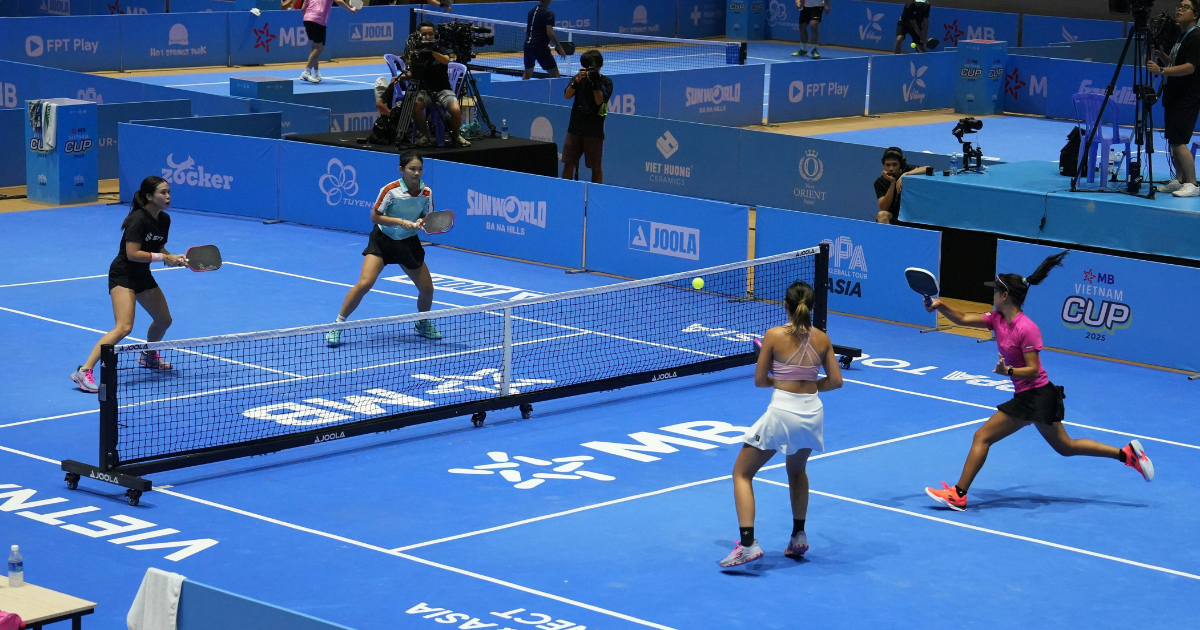
The Danger of Being One-Dimensional in Pickleball
Pickleball looks simple, but improvement stalls fast when players rely on just one style of play. Whether it’s nonstop power or constant softness, being one-dimensional makes you predictable and easy to beat. The real edge comes from knowing when to control the ball and when to attack.