

Constructing the Point: How to Know Exactly When to Pull the Trigger
Pickleball is getting faster. Harder. More aggressive. But speed without discipline is chaos.
If you want to win consistently, not just hit shots as hard as you can, you must understand point construction. You need to know when to apply pressure, when to soften the ball, and most importantly, when you’ve earned the right to pull the trigger.
Patience Is a Weapon
Too many players step onto the court thinking offense means power. They swing hard because they can. With all the new paddles out there now, it makes it easy. They speed up because they’re close enough. They attack because they’re tired of dinking or the ball is sitting up too high.
The result is that the rally ends in three or four shots. Boring! That’s not construction. That’s impatience.
High-level pickleball is not about hitting the ball just to hit it. It’s about hitting each ball with intention. Every shot should either improve your position, move your opponent out of position, create pressure, or neutralize pressure. If your shot doesn’t accomplish one of those things, you’re just reacting, not constructing.
What Is the “Green Light” Ball?
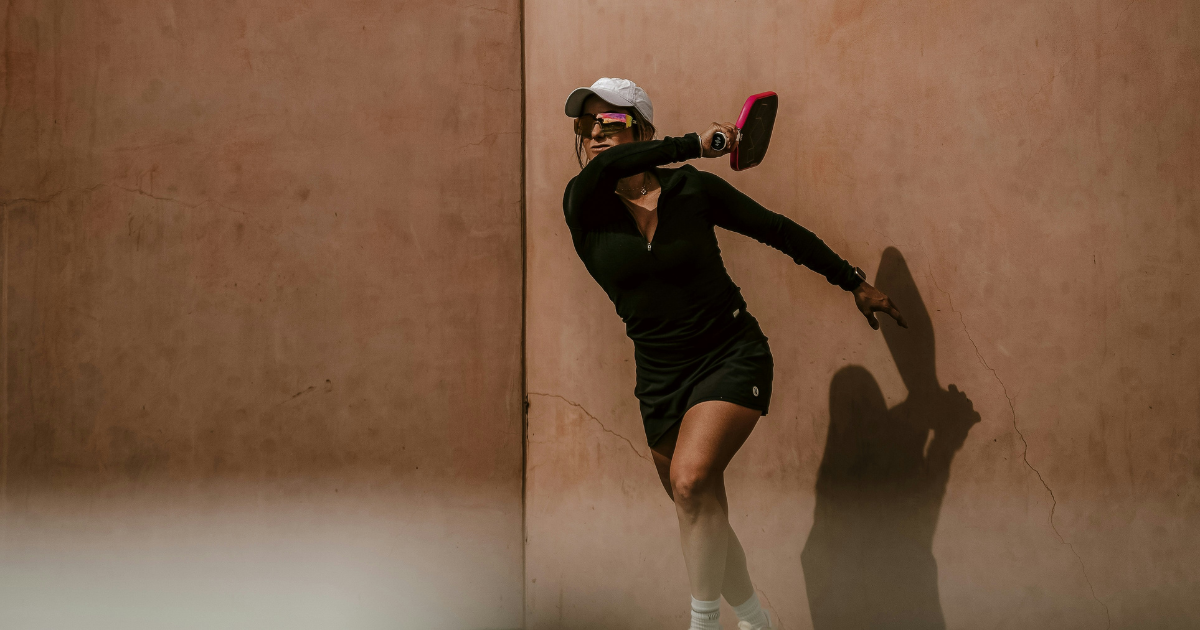
Maybe you have heard this term from the countless teaching videos floating out there. The green light ball is the one that gives you permission to attack. It’s a ball that’s high enough, out in front, and attackable without forcing it. Those, to me, are the juicy ones! You created it, so you earned that attack.
The mistake many players make is trying to turn yellow balls (ones that aren’t a sure thing) or red light balls (those at your ankles) into green ones. They speed up balls that are low, off-balance, or below net height. That’s when unforced errors pile up.
When I started out, I was trying to force those low balls over the net with speed and force. Dumb. We have all been there. It takes discipline. Discipline means waiting. And waiting doesn’t mean you’re passive. It means you’re building.
Power and Softness: The Best Combo
The best players don’t just hit hard. They change speeds. They go in and out of power and softness to control the rally. The soft ball can move, stretch, and compromise the opponent, forcing them off balance.
If you only bang, you eliminate half the game. And banging only goes so far.
Soft shots create discomfort in a different way. A well-placed dink that stays low and unattackable forces your opponent to hit up. That upward contact is what creates your green light ball. Softness sets the trap. Power closes it. There is nothing more gratifying than that!
Resetting: The Lost Skill
As the game gets faster, the reset is becoming a lost art. When someone speeds up, many players respond with more speed. That’s impulsive, not strategic.
The reset is discipline under pressure. Choosing to neutralize those balls is smart. It's hard to do, though. If you can’t reset, your points stay short. If you can reset consistently, rallies extend. Mistakes surface. The more balls that are hit, the more likely your opponent makes the error, especially if they’re relying on power alone.
Longer points reward the disciplined player.
Developing the Soft Game (Even If It Doesn't Feel Good)
I'll be honest: the soft game doesn’t feel natural to me, or to many players, especially those coming from tennis or other power sports. It feels slow and less exciting.
If your dinks pop up, if you can’t keep the ball low and unattackable, if you feel anxious in long rallies, that's just a skill deficiency. Confidence comes from drilling. This is the best advice I can give. Drill more!
Practice dinking below net height, resetting midcourt, and absorbing pace without adding to it. The goal is to make your soft game so reliable that you’re not hoping for a mistake, you're engineering one.
The bottom line is, without construction, power is reckless. If you can’t slow the game down, you don’t truly control it.
The highest-level pickleball still requires the soft game. It requires patience. The players who win consistently aren’t just the ones who hit hardest. They’re the ones who know exactly when to.
Good luck out there. Remember, it's supposed to be fun.
About the Author: Gina Cilento is a top 10 Senior Pro and multi-APP medalist who splits her time between competing and coaching. She’s the co-founder of The Pickleball Lab, a pod player for the Denver Iconics in the National Pickleball League, and co-host of Keeping It Real with Gina & Neil. Off the court, Gina shares her passion through her apparel line, The Pick, and her work with Empower Pickleball.
