

Pickleball in Uganda: How Regina Nakibuule Is Building Community in Kampala
On many afternoons in Kampala, players begin arriving before anything is fully set up. A net gets pulled into place. A few paddles are passed from hand to hand. Some kids sit along the edge of the court, watching carefully so they understand how scoring works before they step in. Nobody is in a rush. They know someone will organize it.
That someone is Regina Nakibuule. She is one of the leading figures growing pickleball in Uganda.
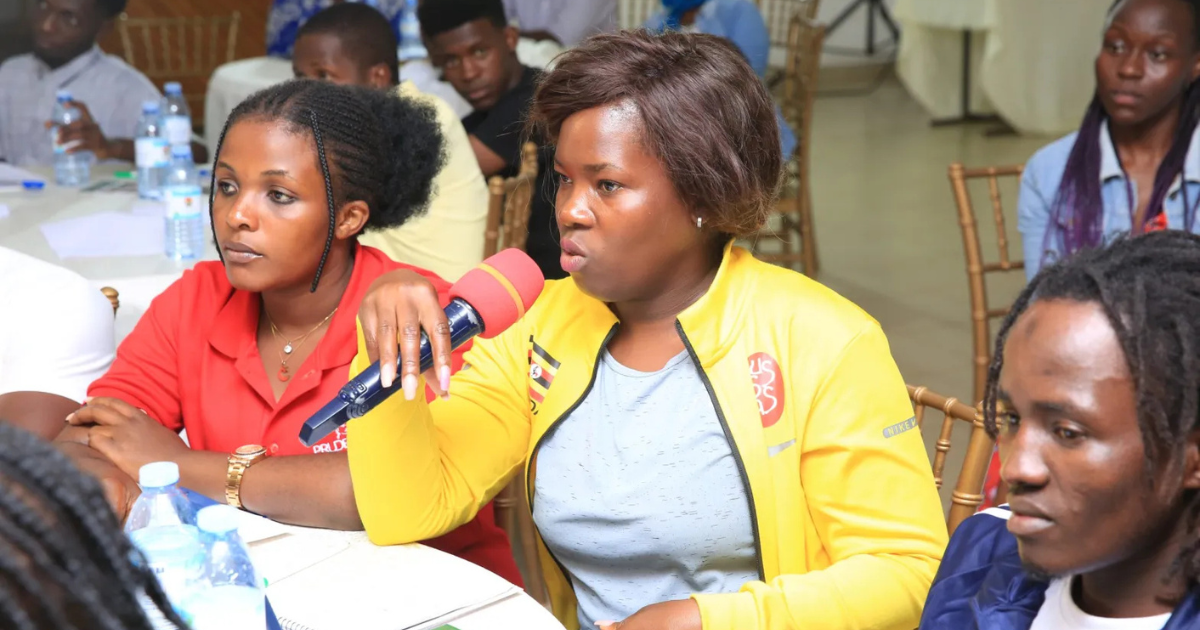
Before the first person arrives, she is already working. She’s pairing players, showing a beginner where to stand, reminding another group whose turn is next. She notices the quiet kid on the sideline and hands them a paddle. The goal isn’t to run a perfect session. The goal is to make sure nobody leaves without playing.
Regina has spent most of her life around sports. Long before pickleball arrived, she was competing internationally as a national table tennis player for Uganda, a role she held for more than a decade. She has also played basketball, badminton, football, and several other sports. Over time, she became not just a competitor but a coach, referee, and mentor. Teaching and organizing were never separate from how she participated—they were central to it.
So when pickleball appeared in her community, she approached it the only way she knew how: by sharing it.
At Caltec Academy Makerere, Regina works with students, many of whom are experiencing their first organized sport. At first, they watch. Then they try a serve. Soon they’re counting points out loud and laughing through long rallies. The following week, they come back—often bringing a friend who wants to learn too.
The equipment is limited, but the enthusiasm isn’t. Paddles are shared. Rotations require patience. Players wait because they know they’ll get their turn. Some of the children had never participated in a structured sport before pickleball. Now they show up regularly because they know someone there will be expecting them.
For a long time, there wasn’t even a dedicated place to play. Matches happened wherever space could be found—worn basketball courts, parking areas, and packed dirt surfaces. The court conditions weren’t the point. The routine was.
Recently, the pickleball community in Kampala reached a milestone with the construction of the first tarmacked pickleball court in the Kikaaya Bulenga area. It provided something simple but meaningful: reliability. A place players could return to and know a game would happen.
Regina still competes herself. At the 2024 Uganda Independence Pickleball Tournament, she won gold in both mixed doubles and women’s doubles. But the people she teaches don’t talk much about that. They talk about how she remembers their names, shares equipment, and makes sure beginners get the same opportunity as experienced players.
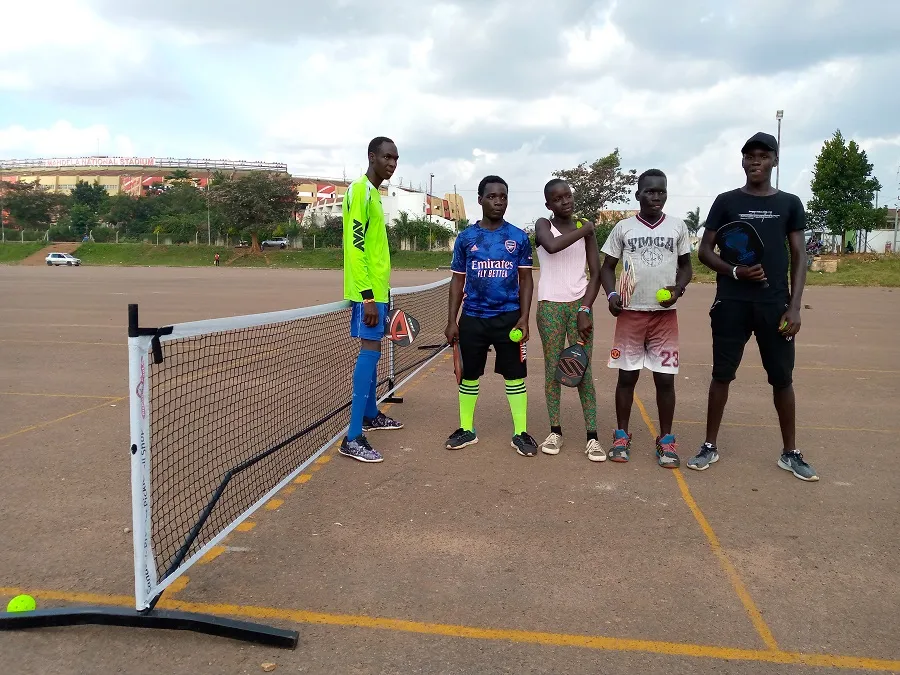
Pickleball players with a referee in front of Namboole Stadium
Her influence now extends beyond a single court. Regina serves as Director of Sports Development for the Confederation of African Pickleball, helping guide youth pickleball programs, training efforts, and league development across multiple countries through 2029. The work focuses on accessibility—making sure communities that might not otherwise encounter the sport have a way to start.
Even with that responsibility, her daily routine hasn’t changed much. She still teaches beginners, explains scoring, and organizes games. She still encourages kids who are unsure if they belong. And she still makes sure nobody stands on the sideline too long.
After matches, players linger. Conversations continue. Kids wait for another turn. Parents who came just to watch often end up learning the rules and stepping onto the court themselves. A routine forms around a simple activity that brings different ages together in the same space.
Pickleball in this community isn’t built around facilities or schedules.
It’s built around consistency.
Regina didn’t just introduce a sport. She created a place people could return to regularly, see familiar faces, and feel comfortable participating. The paddles and net matter, but what keeps players coming back is the atmosphere she maintains—welcoming, patient, joyful, and shared.
A pickleball community rarely starts with a court.
It starts with a person willing to organize, teach, and keep inviting others to join.
In Uganda, that person is Regina Nakibuule—a driving force behind the growth of pickleball in her country.
