

The Danger of Being One-Dimensional in Pickleball
Pickleball is often described as a simple game, but anyone who plays it well knows that simplicity is deceptive. At its core, pickleball is a balance between patience and aggression, control and power, discipline, and instinct. Yet one of the most common reasons players plateau or become frustrated is because they become one-dimensional.
I used to only hit hard. Coming from a tennis background, I thought I would be Serena Williams on the court and blow through everyone with power. That worked on some level. But when I started playing better players, they destroyed me with their good hands and used my power to make me pay with angled volleys or counters that I wasn’t ready for.
Some people love hitting every ball hard regardless of position or situation. Others go the opposite direction, playing overly cautious and defaulting to soft shots even when the opportunity to end the point is right in front of them. Both approaches lead to frustration, stalled improvement, and unnecessary losses.
Why Extremes Don’t Work
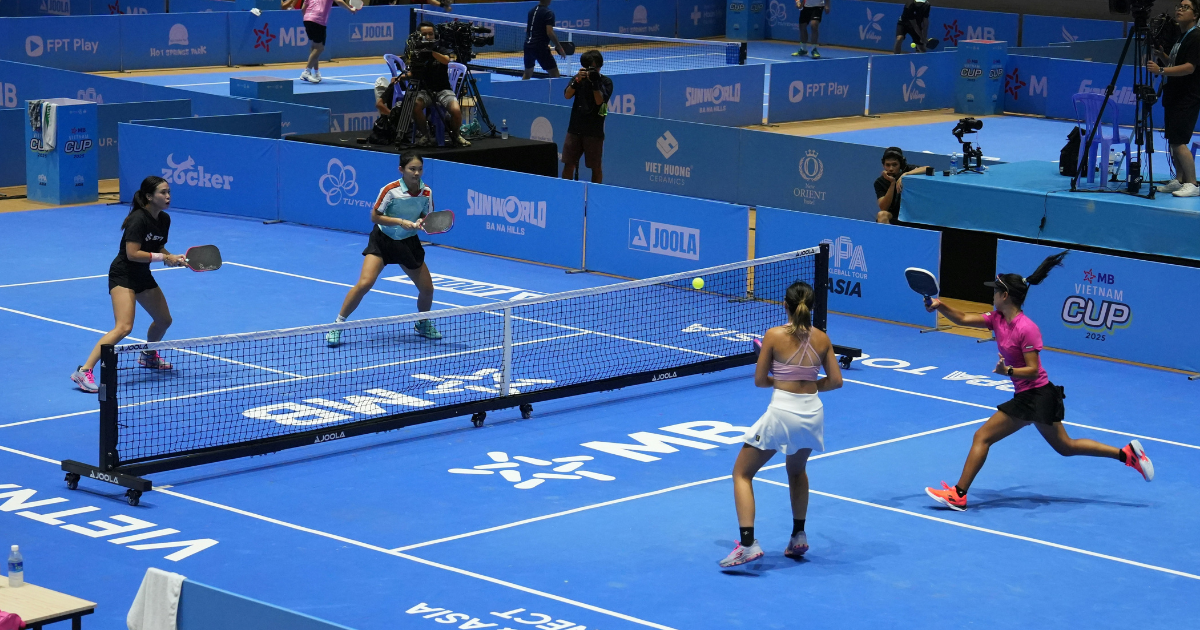
Power is an important part of the modern game, but power without purpose is ineffective. Hitting every ball hard often results in low-percentage errors and predictable patterns that experienced opponents can absorb and counter. Pace alone does not win points. Well-timed aggression does. Choosing the right shot to unload on can pay dividends.
On the other end of the spectrum, an overly soft or passive game invites pressure. When players fail to attack balls that are clearly put-away opportunities, they allow opponents to stay comfortable, gain confidence, and control the rally. You end up playing defense far more than you should. Soft shots are meant to create openings, not replace offense entirely.
The Real Key to Improvement
The key to improvement is shot selection and court awareness. High-level pickleball is about recognizing when to reset, when to dink, and when to attack. The best players blend control and aggression seamlessly, adjusting in real time based on court position, ball height, balance and even paddle grip pressure.
Both extremes limit development, decision-making, and long-term success on the court.
You need shots with purpose!
Soft hands or hard hitting can both go a long way when used correctly. The bottom line is you need both to avoid becoming one-dimensional and to be effective. Knowing when to lean into control and when to apply pressure makes you a great player and difficult to deal with.
When practicing, work on shots that emphasize softness, touch and finesse. Balance that with attacks, aggressive volleys and speed ups.
Good luck!
About the Author: Gina Cilento is a top 10 Senior Pro and multi-APP medalist who splits her time between competing and coaching. She’s the co-founder of The Pickleball Lab, a pod player for the Denver Iconics in the National Pickleball League, and co-host of Keeping It Real with Gina & Neil. Off the court, Gina shares her passion through her apparel line, The Pick, and her work with Empower Pickleball.
