

Why Women Who Play Pickleball Regularly Feel Better Mentally
If you’re a woman juggling work, family, relationships, friendships, and about a hundred invisible responsibilities, you already know this:
mental health doesn’t magically improve on its own.
It improves when you finally carve out something that belongs to you.
For many women, that space has become pickleball—not just because it’s fun (though it is). Pickleball offers a rare combination of movement, connection, stress relief, and joy that fits into real life.
Here’s why women who play pickleball regularly often say they feel better mentally—and why this sport has become such a powerful outlet for women of all ages.
Pickleball Fits Into Women’s Busy Schedules (and That Matters for Mental Health)
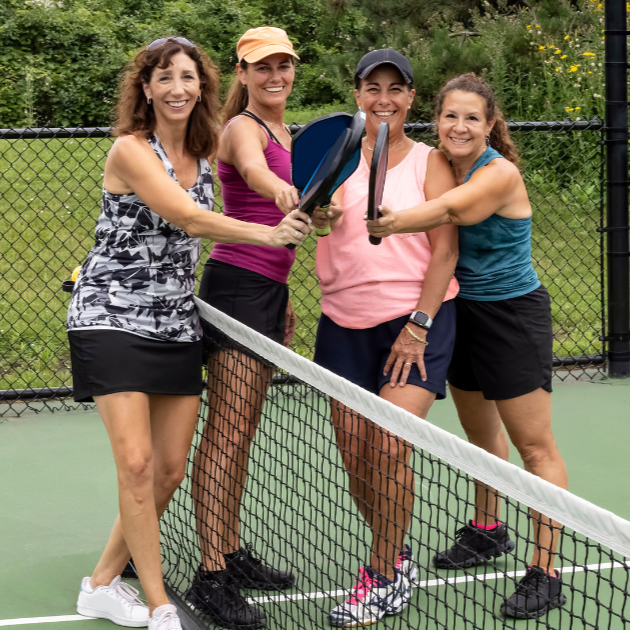
Women are often the default planners. The schedulers. The caretakers. The ones making sure everyone else gets where they need to be—kids, partners, parents, work teams—before even thinking about themselves.
Pickleball works because it’s realistic.
Games are usually 60–90 minutes
You don’t need a full day or elaborate planning
You can show up tired and still leave feeling better
Unlike workouts that feel like another obligation, pickleball feels doable. That makes it easier to stay consistent—and consistency is key when it comes to mental wellness.
Regular physical activity is linked to lower stress levels, improved mood, better sleep, and reduced anxiety. Pickleball delivers all of that without asking women to overhaul their already-packed lives.
Pickleball Gets Women Out of Their Heads (and Into the Moment)
Pickleball demands focus in the best way.
You’re tracking the ball, reading the court, communicating with a partner, adjusting shots, moving your body—all at once. That mental engagement creates something many women rarely get: a break from overthinking.
For an hour or two:
You’re not replaying conversations
You’re not stressing about tomorrow
You’re not scrolling or multitasking
That kind of mental reset matters. Pickleball offers stress relief not by forcing relaxation, but by creating healthy distraction and flow—one of the most effective ways to reduce mental fatigue.
The Social Benefits of Pickleball Help Fight Loneliness
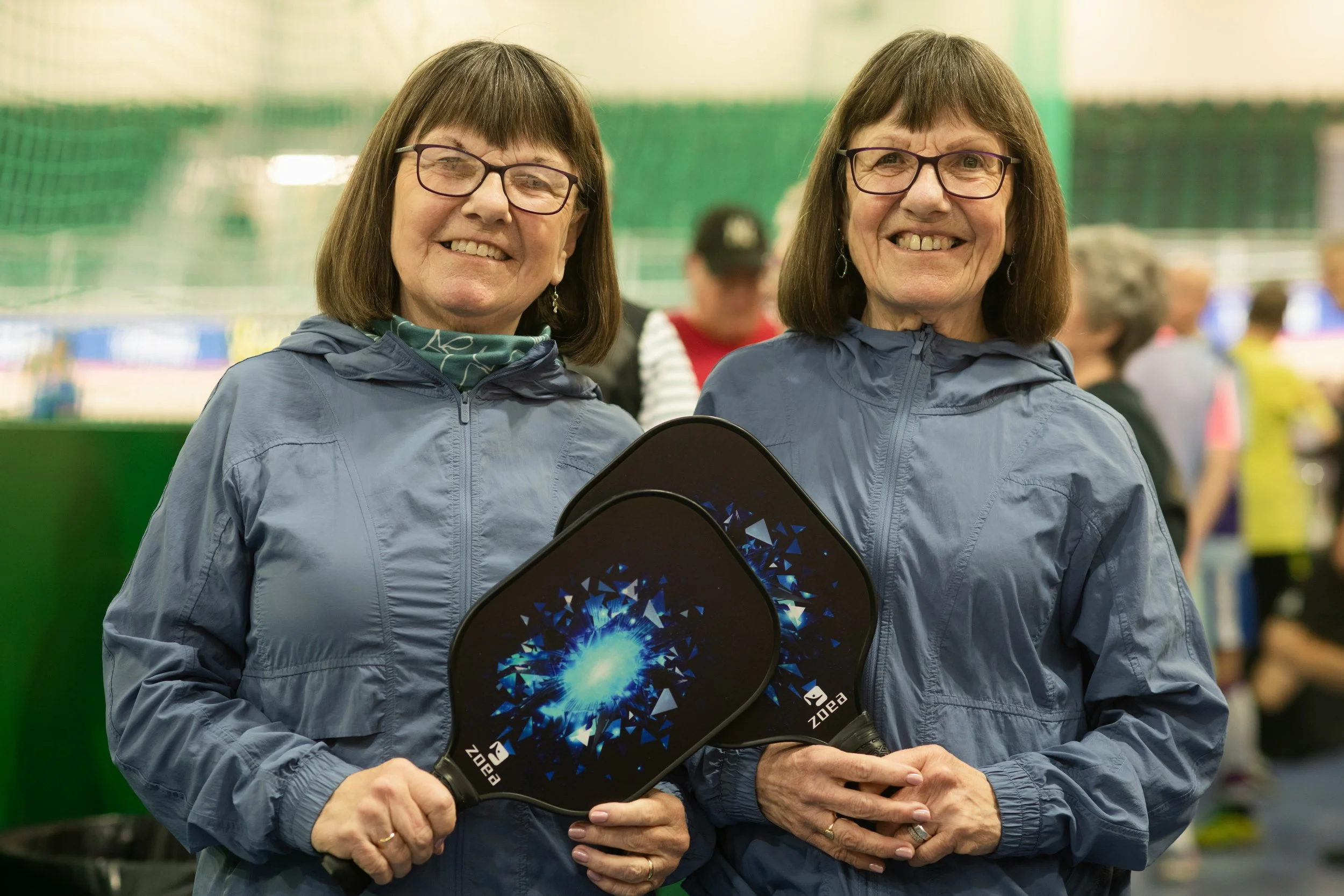
Loneliness isn’t limited to one age group. Women at every stage of life experience it—even when they’re surrounded by people.
Pickleball helps because connection happens naturally.
You rotate partners
You talk between games
You laugh, celebrate points, and shake hands
You recognize familiar faces week after week
There’s no pressure to “network” or force conversation. Community forms organically, which is one reason pickleball is often described as one of the most social sports.
That sense of belonging plays a major role in emotional well-being—especially for women who may feel isolated in other areas of life.
Why Pickleball is Especially Powerful for Younger Women
Making friends after college is harder than most people expect.
Schedules don’t align. Social circles shrink. People move, get busy, or settle into routines that don’t leave room for new connections. For many younger women, pickleball fills that gap.
Why?
Because pickleball creates built-in, repeated social interaction.
You don’t have to cold-message strangers or plan awkward meetups. You show up to the same court, at the same time, and familiarity grows into friendship.
And because pickleball attracts people across ages and backgrounds, younger women often find friendships that feel refreshing, supportive, and low-pressure.
Pickleball Gives Women Something That’s Just Theirs
One of the most overlooked mental health benefits of pickleball for women is identity.
Many women lose pieces of themselves to caretaking, work, and responsibility. Pickleball brings back something important:
A skill to improve
Personal goals that feel fun, not heavy
Confidence earned through progress
A place where you’re known by name, not role
Feeling capable, challenged, and proud—even in small ways—has a real impact on mental well-being.
It’s Joyful Movement—and Joy Is What Keeps Women Coming Back
Some workouts feel like punishment. Pickleball feels like play.
That joy is what keeps women returning to the court—and returning is where the mental health benefits really build.
Because pickleball is enjoyable, social, and rewarding, it becomes a habit instead of a chore. Habits rooted in joy are far more sustainable than routines driven by guilt.
How Women Can Make Pickleball Work for Real Life
For moms and caregivers
Swap childcare with another pickleball parent
Put pickleball on the calendar like a real appointment
Choose one consistent weekly time instead of trying to play “whenever”
For younger women looking to make friends
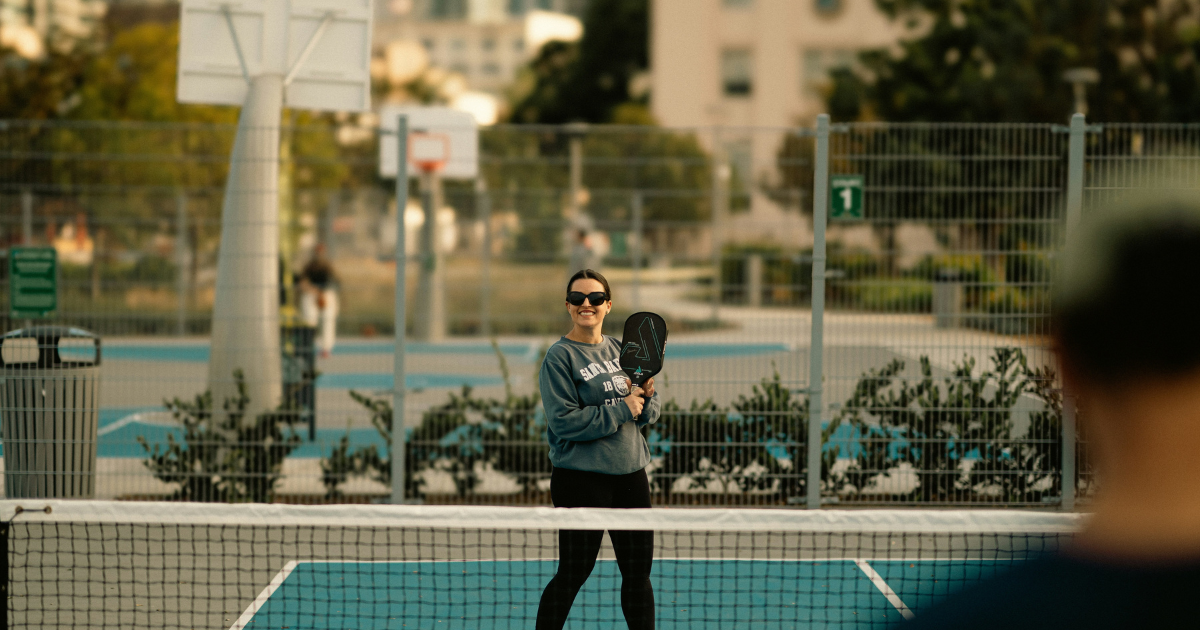
Attend the same open play weekly
Join women’s clinics or ladders for built-in structure
Give it a few visits—connection takes repetition
For women feeling burned out
Make pickleball your “no problem-solving zone”
Focus on enjoyment over performance
Leave your phone in your bag and be present
Why Pickleball Supports Women’s Mental Wellness
Women who play pickleball regularly often feel better mentally because the sport provides:
Stress relief through movement
Emotional reset through focus
Social connection without pressure
A sense of belonging and identity
A break from the constant demands of daily life
Pickleball isn’t just exercise.
It’s community.
It’s consistency.
It’s permission to take up space.
And for many women, it’s the reason the week feels manageable again.
