

3 Solo Wall Drills to Improve Your Pickleball Hand Speed
If you want faster hands, better touch, and more confident resets at the kitchen line, you don’t need a drilling partner. You need a wall.
A “ball wall” (or any solid wall with enough space) is one of the most underutilized pieces of training equipment in pickleball. Unlike casual play, wall work compresses reps, forces quicker reaction times, and exposes weaknesses faster.
Below are three simple but effective wall drills designed to improve hand speed, control, and touch using both forehands and backhands. These drills emulate sequences you’ll face in real games.
Why Wall Work Improves Reaction Time and Touch Faster Than Casual Play
Casual play is fun, but it’s inefficient for skill development. You might only hit a handful of meaningful dinks or resets in an entire game.
With a wall:
Every ball comes back. Yes, the wall always wins.
You control the tempo and shot selection.
Reaction time is forced, not optional.
Poor technique is exposed immediately. You can tell by where your shot ends up on the wall.
The wall doesn’t lie.
If your paddle angle is off, your feet are late, or your hands are slow, the ball tells you right away.
Drill 1: Continuous Dink Control (Forehand & Backhand)
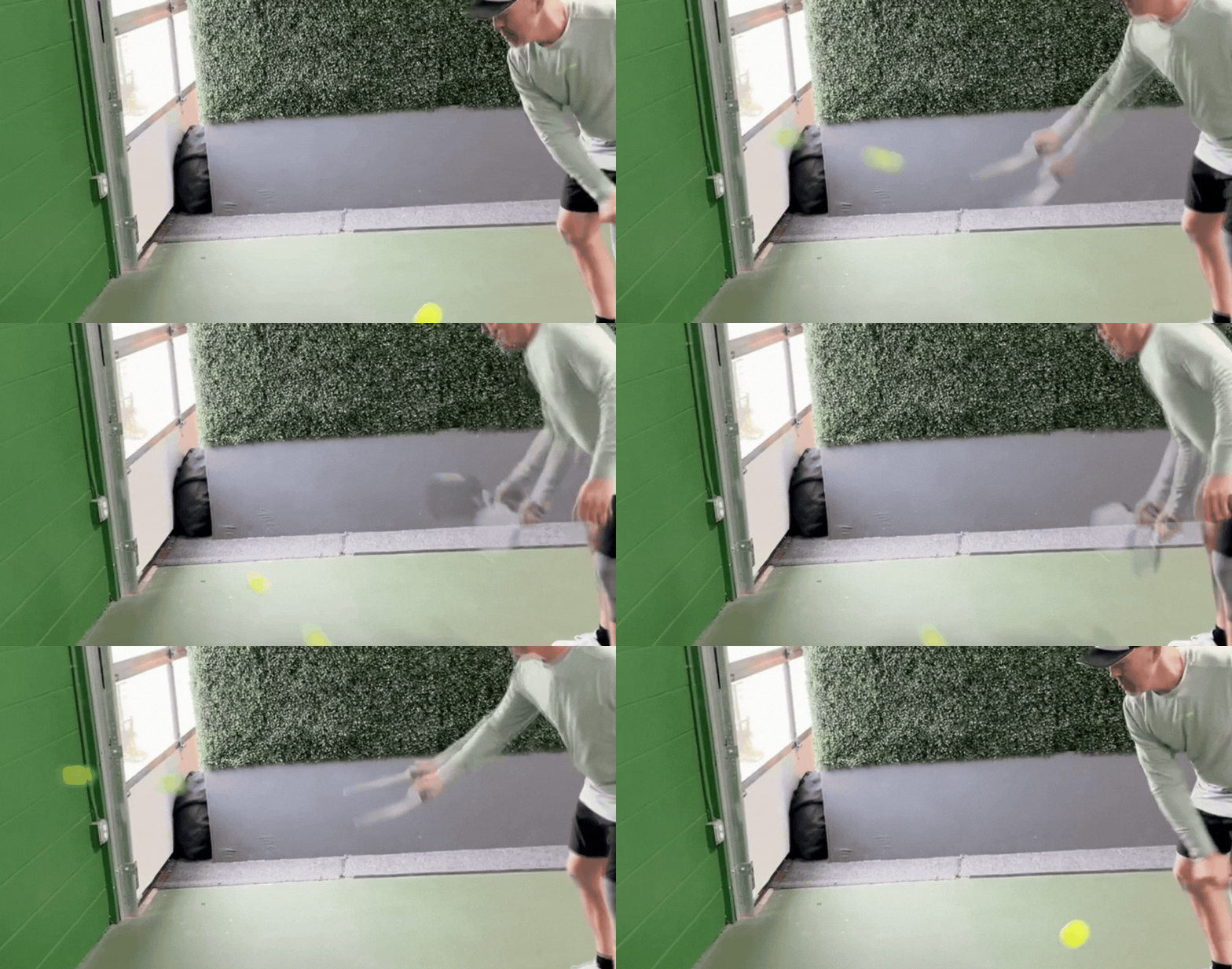
Purpose: Build touch, consistency, and soft hands while improving reaction speed.
How to do it:
Stand 5–7 feet from the wall.
Hit soft dinks into the wall, aiming around net height. (Make or tape a line if you can).
Alternate forehands and backhands.
Keep the ball low and controlled with compact swings.
Focus Areas:
Loose grip.
Quiet paddle face.
Minimal backswing.
Progressions:
Increase speed slightly while keeping the ball low.
Stand closer to shorten your reaction time. (I like this one because it’s essentially rapid-fire, like a firefight at the kitchen).
Add side-to-side movement and drop steps.
Drill 2: Dink → Speed-Up → Block
Purpose: Improve hand speed and decision-making in realistic kitchen exchanges.
How to do it:
Start with 2–3 soft dinks into the wall.
On the next ball, speed it up aggressively.
Immediately prepare for the ball to come back fast.
Block it softly back into the wall.
Alternate forehand and backhand speed-ups.
Focus Areas:
Quick paddle reset after the speed-up.
Short, punch-style block with calm hands.
Stay balanced and compact.
This drill simulates the exact moment an opponent attacks your dink and how quickly you must react.
Drill 3: Dink → Speed-Up → Reset (The Real-Game Sequence)
Purpose: Master soft resets after fast hands exchanges.
This drill separates good players from great ones. The ability to reset when you and your partner are not in control is incredibly important.
How to do it:
Hit a controlled dink.
Speed up the next ball.
Let the wall fire the ball back at you.
Reset the ball softly into the wall, aiming low and neutral.
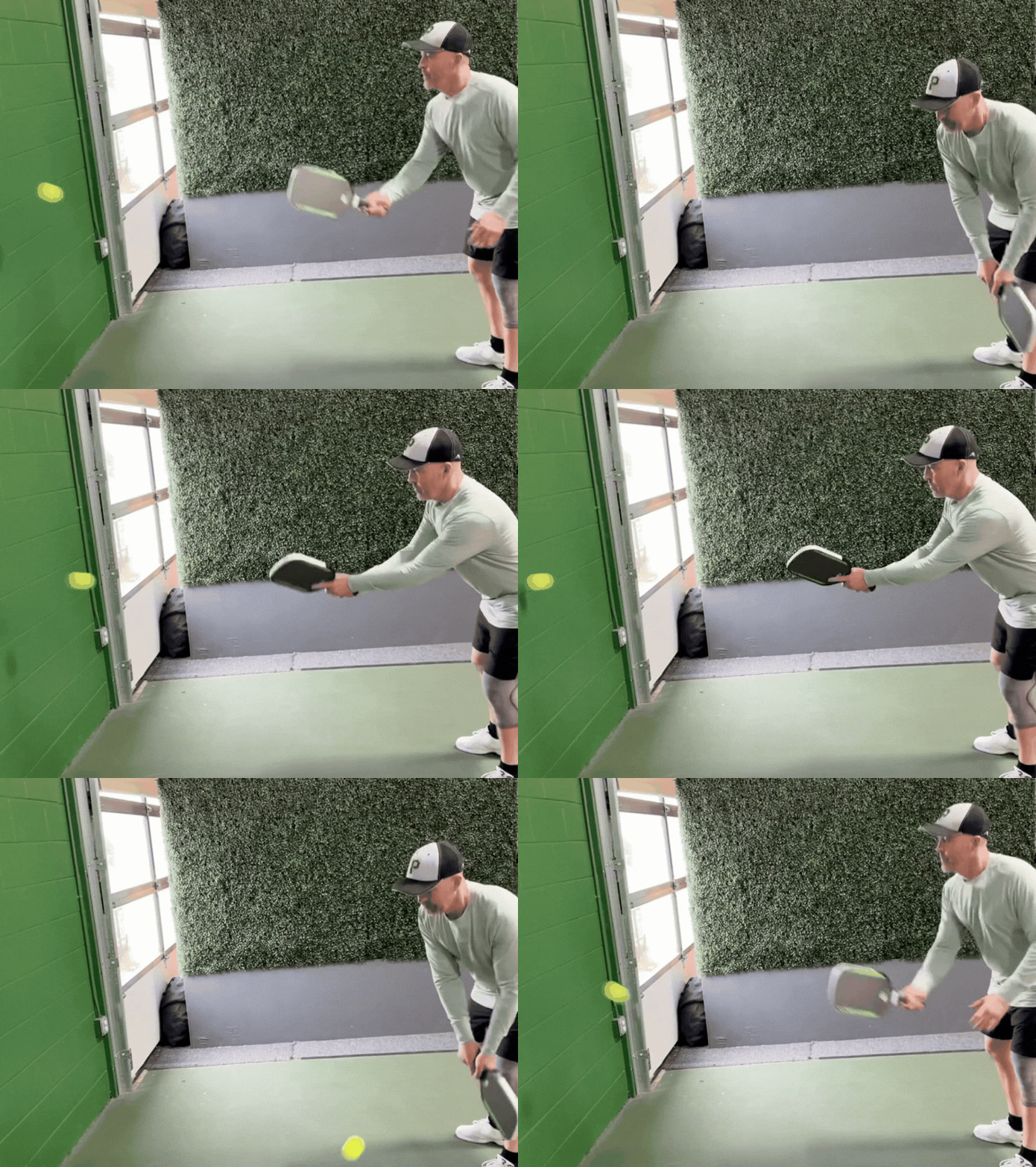
You’re training your ability to move from offense back to control—exactly what happens during high-level kitchen battles.
Focus Areas:
Soften your grip on contact.
Keep the paddle face slightly open.
Think “absorb and guide,” not “hit”.
(Do not swing outward. Use calm hands and bring the paddle in and down).
Progressions:
Alternate forehand and backhand resets.
Increase tempo gradually.
Shorten distance to the wall for faster reactions.
Bonus: No-Paddle Drills That Translate Directly to Faster Hands
Removing the paddle:
Forces true reaction instead of technique compensation.
Quickly improves hand-eye coordination.
Builds faster footwork.
Translates directly to faster blocks and softer resets.
No-Paddle Drill 1: One-Bounce Reactive Catch
Purpose: Improve reaction time, hand speed, and soft hands.
How to do it:
Stand 5–7 feet from the wall.
Toss the pickleball underhand into the wall.
Let it bounce once on the ground.
Catch it cleanly before the second bounce.
Alternate hands each rep or use both hands together.
Focus Areas:
Watch the ball from release to catch.
Stay ready with bent knees and movement.
Keep hands quiet and soft on the catch.
Progressions:
Stand closer to the wall.
Increase toss speed.
Alternate high and low tosses.
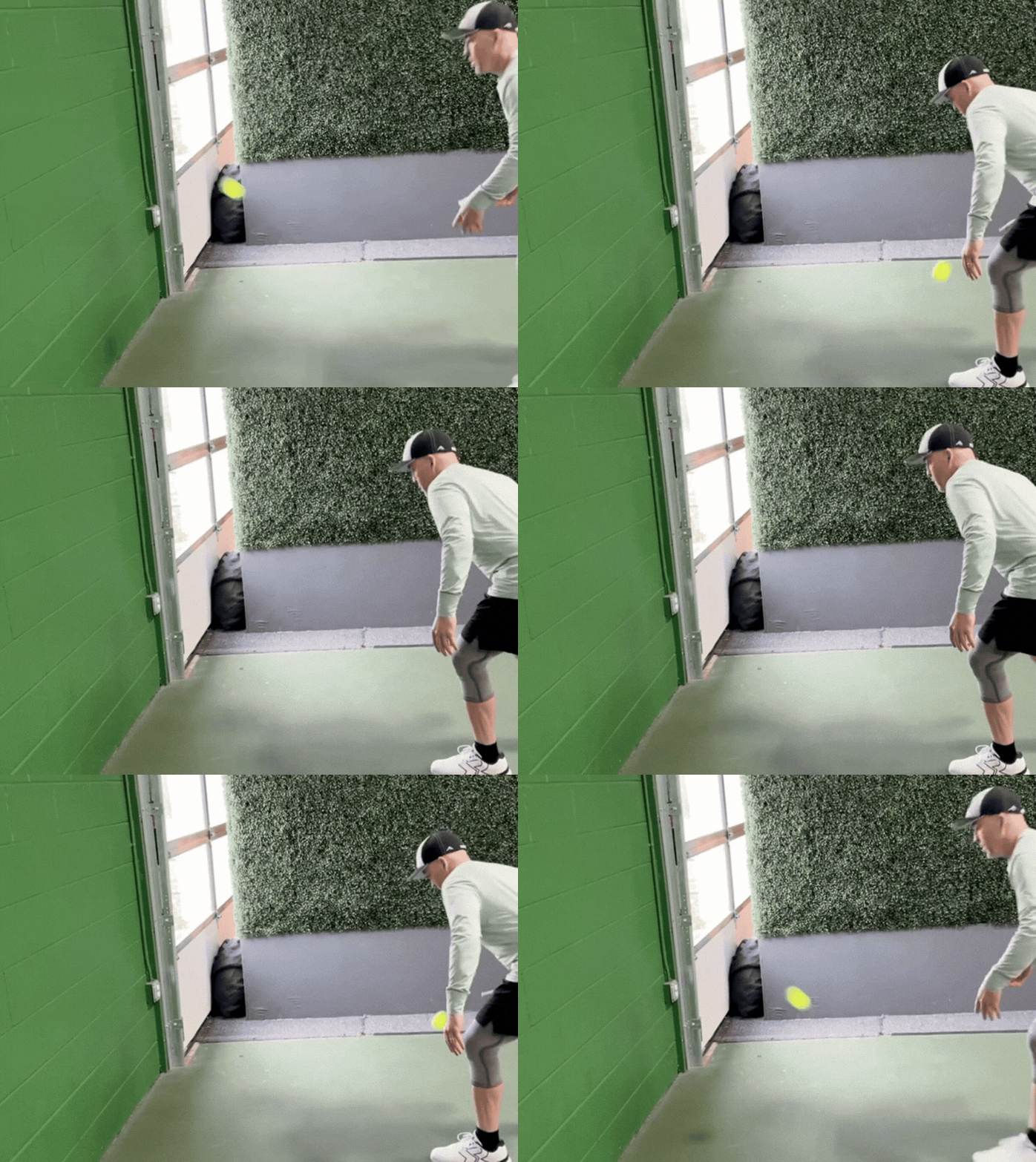
No-Paddle Drill 2: Toss → Bounce → Simulated Reset Catch
Purpose: Train soft hands and quick reactions that translate directly to resets.
How to do It:
Toss the ball into the wall at a moderate pace.
Let it bounce once.
Catch the ball softly while slightly retreating.
Think of the catch as a “deadening” motion that absorbs pace—just like a reset at the kitchen line.
(Like catching a baseball with a glove).
Focus Areas:
Relax your fingers.
Catch slightly in front of your body.
Let your hands absorb the ball.
Progressions:
Alternate forehand-side and backhand-side catches.
Catch with one hand only.
Add lateral movement before the toss.
No-Paddle Drill 3: Rapid Toss Chaos Drill
Purpose: Maximize reflex speed and decision-making.
How to do it:
Rapidly toss the ball into the wall.
React and catch the ball after one bounce.
Vary speed, angle, and height on every toss.
This drill intentionally creates unpredictability—just like real hand battles at the kitchen.
How to Combine Paddle and No-Paddle Wall Work
5 minutes: No-paddle reaction drills.
10 minutes: Paddle wall drills.
Finish: Dink → speed-up → reset sequences.
You’ll notice faster hands, better anticipation, and more confident resets almost immediately.
About the Author: Neil Friedenberg is a certified pickleball coach and Head of Education for Empower Pickleball. He is passionate about helping players of all levels grow their skills and confidence on the court. A lifelong player with deep roots in the sport, Neil also brings experience as a paddle company owner, blending technical expertise with a love for the game.