

How Emerald Valley Pickleball Foundation Is Building Community Courts That Actually Last
If you play pickleball regularly, you’ve lived some version of this.
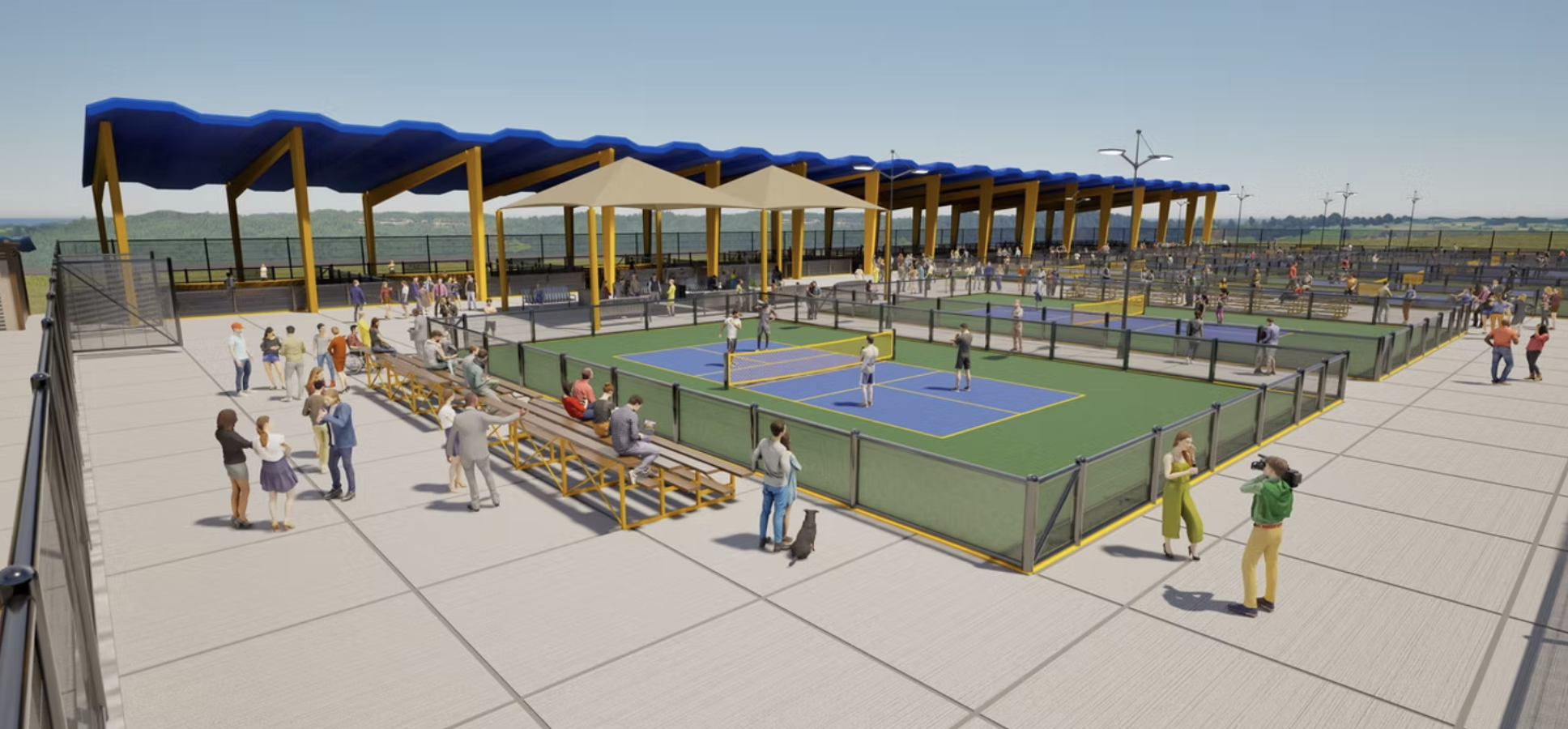
Renderings of the Emerald Valley Pickleball Foundation courts at Lane County Community College
You show up excited.
You see three paddles stacked already.
Someone says, “We’ll squeeze you in next game.”
And you wait.
That’s not a knock on the community—it’s a sign of how much people want to play. And it’s exactly the problem the Emerald Valley Pickleball Foundation decided to take on in Eugene, Oregon.
Not by complaining about court shortages.
Not by hoping the city would magically fix it.
But by building something that actually works for players—now and long term.
Why the Foundation Was Created—and the Gap It’s Filling
Emerald Valley Pickleball Foundation (EVPF) exists because pickleball in Lane County outgrew its court situation.
The players were there. The energy was there. The momentum was there.
What wasn’t there? Enough dedicated, reliable places to play.
Borrowed tennis courts, tight schedules, and overcrowded parks only get you so far. Eventually, they start limiting growth instead of supporting it. EVPF stepped in to close that gap—not with temporary fixes, but with a plan for purpose-built pickleball space.
Their long-term vision is a regional pickleball complex at Lane Community College—a place designed specifically for how pickleball is actually played, not adapted on the fly.
How EVPF Approaches Court Building Differently
A lot of court projects focus on the build and figure out the rest later.
EVPF flipped that approach.
They started by asking how players use courts day to day—early mornings, rainy afternoons, social play, competitive sessions—and then designed around that reality.
They plan for how people really play
Covered courts matter in Oregon. Lighting matters when daylight disappears early. Space between courts matters when games get fast and social play overlaps. These details don’t sound exciting—until you’re missing them.
Accessibility is part of the experience
Easy entry points, clear layouts, ADA-compliant access aren’t treated as special features—they’re the baseline. That means seniors, adaptive players, and newer players aren’t afterthoughts.
They’re thinking beyond opening day
EVPF isn’t just building courts—they’re building a system to keep them playable. Maintenance, sponsorship support, and shared responsibility are part of the plan so the courts don’t slowly decline over time.
They brought the right people in early
Lane Community College will own the facility. Local pickleball groups will help operate it. Players, donors, and sponsors all have a role. That shared ownership is what gives the project staying power.
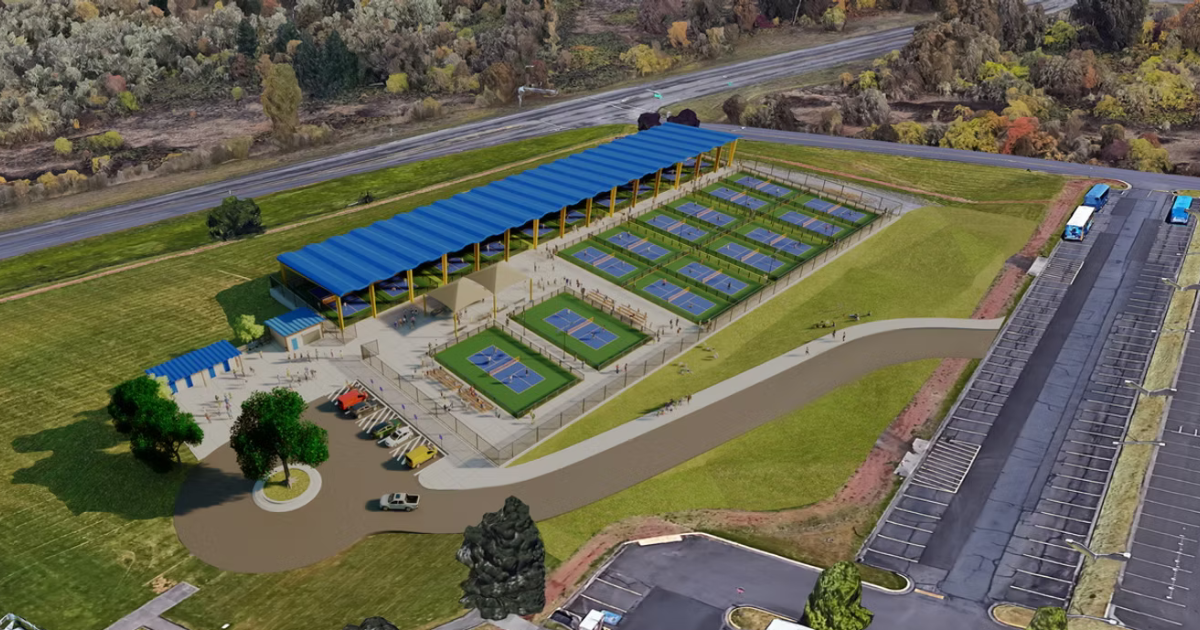
The courts at Lane County Community College
As EVPF board member Karen Gaffney put it:
“We’re not just trying to add more courts—we’re trying to create a place where players want to come back, day after day, year after year.”
Who These Courts Are For—and Why It Matters Long-Term
These courts aren’t just about hosting tournaments.
They’re for:
The morning regulars who play three times a week
The after-work crowd trying to squeeze in games before dark
Kids learning the sport for the first time
Competitive players who want consistent, quality reps
Anyone who just wants a welcoming place to play without stress
When courts are designed well, everything gets easier. Less waiting. Fewer conflicts. Better flow. More consistency. And that consistency is what keeps people playing—not just trying pickleball once, but sticking with it.
That’s how a pickleball community stays healthy over time.
Why This Model Is Worth Paying Attention To
What EVPF is doing isn’t flashy—and that’s kind of the point.
They didn’t rush.
They didn’t chase trends.
They didn’t build for social media first.
They built for players.
Their approach works because it:
Starts with how players actually use courts
Shares responsibility instead of dumping it on one group
Plans for longevity, not just a ribbon-cutting
Treats courts as community anchors, not temporary solutions
That’s why this model is worth watching—and why it’s repeatable.
The Bigger Picture
Pickleball doesn’t need more hype. Players already love the game.
What it needs are places that support that love—places that make it easier to show up, play, and feel like you belong.
Emerald Valley Pickleball Foundation is doing that work quietly and thoughtfully. And in a sport growing as fast as pickleball, that kind of steady, player-first approach might matter more than anything else.
Because courts that last don’t just grow the game—they keep it enjoyable.
