

How Global Pickleball Governance Is Finally Taking Shape
If you’ve seen multiple international pickleball logos and wondered “which one actually matters?” you’re not alone.
Pickleball didn’t grow in a straight line. It exploded into all sorts of different organizations and silos. And because it grew so fast, different groups around the world tried to organize it at the same time. The result has been years of what many people inside the sport call the Wild West of governance: multiple international federations, overlapping leadership, and countries aligning with different organizations.
The good news: for the first time, that may finally be changing.
Here’s the simple breakdown.
First — Why This Even Happened
Most sports develop in a predictable order:
local clubs → national organizations → international federation.
Pickleball skipped steps.
After the first U.S. national championships in 2009, the sport’s leaders realized international growth was coming and created a global body to manage it. That organization eventually became the International Federation of Pickleball (IFP).
Over time, internal disagreements led to a rival group forming: the World Pickleball Federation (WPF). For years, both groups claimed to represent international pickleball, and countries had to choose which one to align with.
By 2022, many member countries lost confidence in the IFP’s leadership and withdrew. The organization was dissolved and restructured into the International Pickleball Federation (IPF). Soon after, many national federations formed a new coalition in 2023: the Global Pickleball Federation (GPF).
At one point, pickleball effectively had three competing international governing efforts at the same time.
The Recent Change (The Important Part)
In 2025, the long-competing groups began negotiating to combine forces and create a single global governing entity dedicated to worldwide oversight and expansion of the sport.
The IPF and WPF merged into a unified structure, and conversations began with the GPF about unification. The goal is one internationally recognized federation—something required for Olympic recognition.
This is the biggest governance shift pickleball has seen since the sport went international.
World Pickleball Federation (WPF / Unified Federation Effort)
This group represents the effort to create a unified worldwide governing body.
Their focus:
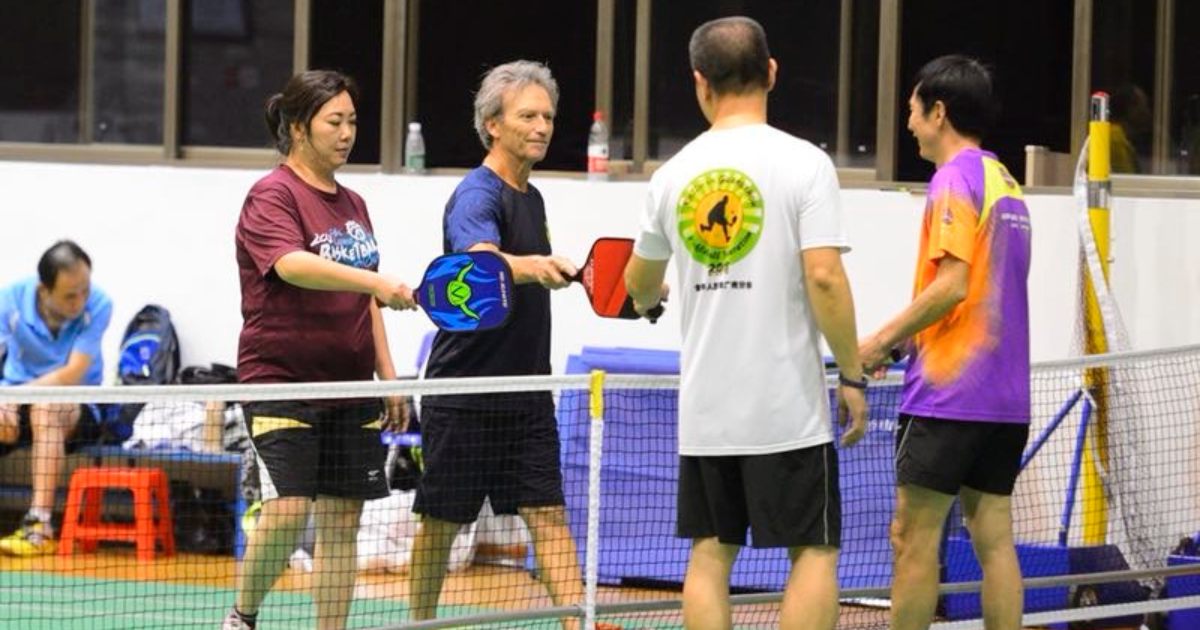
Photo by World Pickleball Federation
Coordinating national federations
Standardizing rules and equipment
International championships
Country representation
Long-term Olympic pathway
You won’t interact with them at open play—but they matter for the sport’s future.
If pickleball ever has official national teams, this is the type of organization that oversees them.
Their broader mission is global development—often described as ensuring pickleball grows beyond just the U.S., Canada, and Australia.
Global Pickleball Federation (GPF)
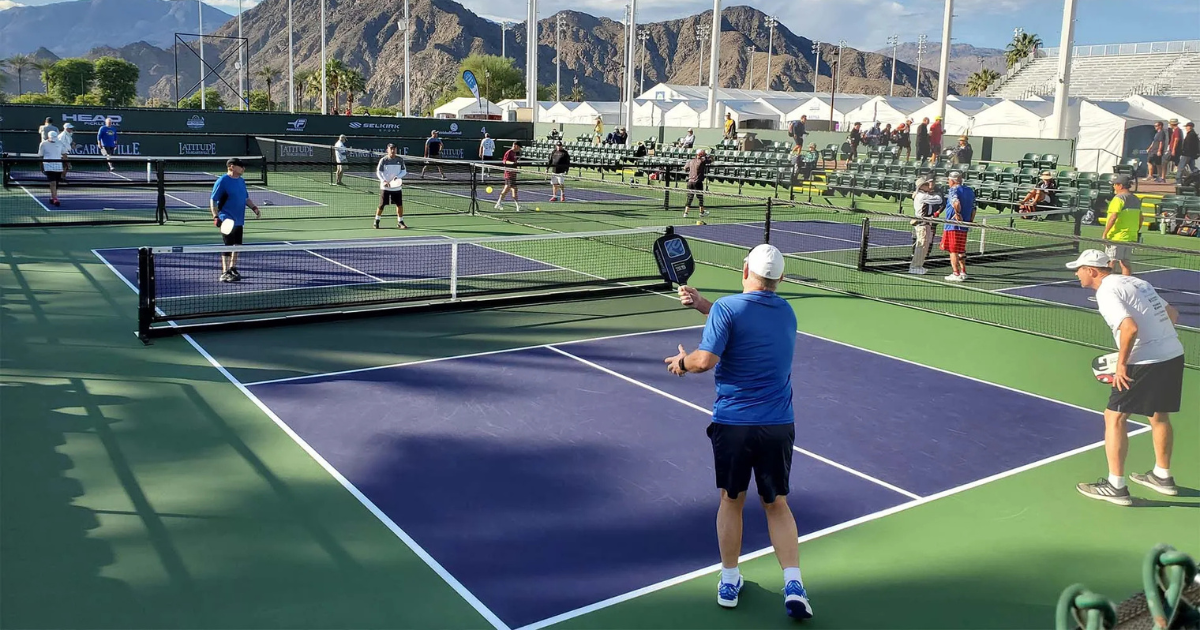
Photo by Global Pickleball Federation
The GPF formed in 2023 as a coalition of national governing bodies that wanted a more international structure and broader global representation.
They quickly expanded development efforts into Africa and Asia and helped introduce pickleball into multi-sport competitions, including participation as a demonstration sport at the African Games—a major step toward international recognition.
The GPF is also actively working toward:
Official world championships
Coordinated national championships
The Olympic qualification pathway
Why a Single Federation Matters
To become an Olympic sport, pickleball needs:
60–75 participating countries
Organized national championships
World championships
Anti-doping programs
Standardized rules
One internationally recognized governing body
That last point is critical. The International Olympic Committee does not recognize sports with competing world federations. Until pickleball has one unified governing structure, Olympic inclusion can’t realistically happen.
The current unification talks are aimed directly at the 2032 Brisbane Olympics.
Why This Matters to the Average Player
This doesn’t change your open play tonight.
But it changes the ceiling of the sport.
Stable governance allows:
Real world championships
Country vs. country competitions
Youth pipelines
Consistent international rules
Eventually, Olympic consideration
Right now, pickleball has a “World Cup,” but it doesn’t consistently feature the world’s top players or national champions in a unified system. A recognized federation fixes that.
In simple terms:
This is pickleball growing up from a community sport into an international sport.
What You’ll Eventually Notice
You won’t notice the governance first.
You’ll notice when:
Players represent their countries
National teams form
International events make sense
A clear world champion emerges
If the current progress holds, one day we may realistically see a true international championship or Olympic pathway.
