

The Global Pickleball Boom Is Just Getting Started (And No, the U.S. Isn’t Slowing Down)
If you’ve spent any time around pickleball lately, you’ve probably heard the question:
“Has pickleball peaked?”
Short answer: not even close.
The longer answer is that the sport is entering its next phase—and it’s bigger than most people realize.
While much of the conversation in the U.S. is focused on whether growth is slowing, something else is happening at the same time: pickleball is expanding globally, and the U.S. still hasn’t fully tapped its biggest opportunity
The U.S. Isn’t Saturated—It’s Still Early
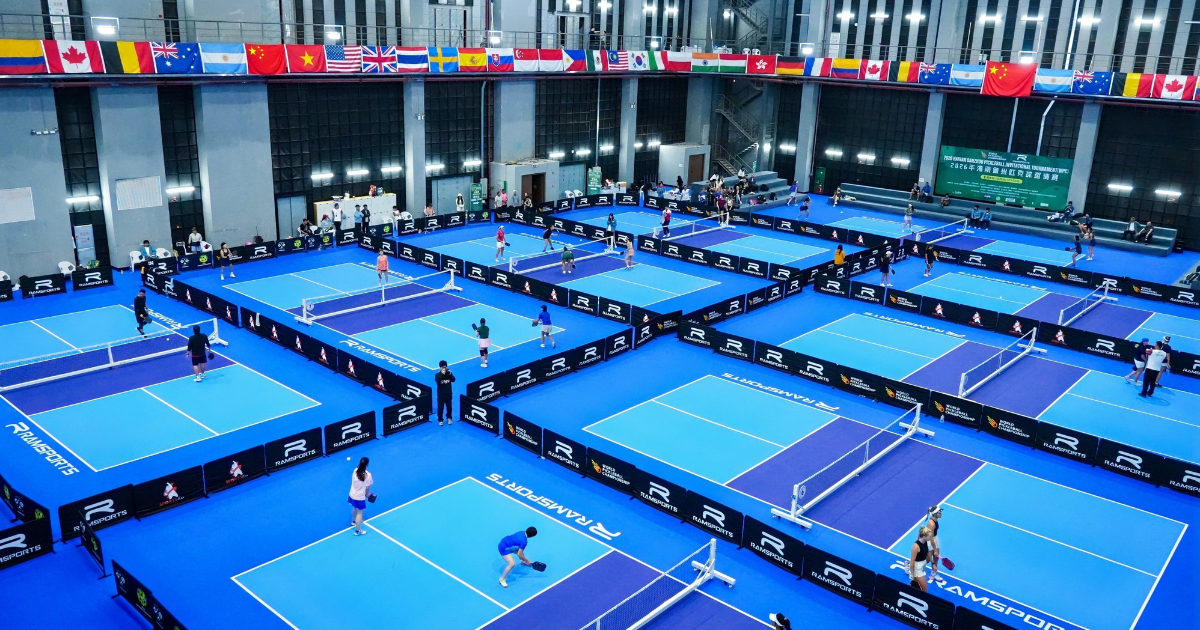
Yes, courts are busy.
Yes, facilities are opening quickly.
Yes, your group chat has at least one person asking, “Who wants to play?”
But pickleball in the U.S. has grown wide, not deep.
So far, the sport has succeeded in:
Adult recreational play
Social leagues
Casual, entry-level participation
What’s still underdeveloped:
High school programs
Youth leagues
Early exposure through schools
That gap matters more than people think.
Sports don’t become generational through adults. They scale through kids.
International Market Are Building the Pipeline
While the U.S. has been focused on participation, other regions are focusing on development.
That includes structured youth systems and early competitive pathways.
Initiatives like PCL Rising Stars are introducing younger players to organized competition and long-term progression. In many markets, pickleball is being introduced through schools, national programs, and junior leagues designed to build from the ground up.
The difference is clear.
In the U.S., we’re asking, “Where can I play this weekend?”
Internationally, they’re asking, “How do we develop the next generation?”
Two Different Growth Models
Right now, two versions of pickleball are developing at the same time.
The U.S. model
Grassroots
Social
Community-driven
Easy entry
The international model
Structured
Youth-focused
Development-driven
Built for long-term competition
Neither approach is wrong. But together, they create something much more powerful.
Why This Is Positive for U.S. Growth
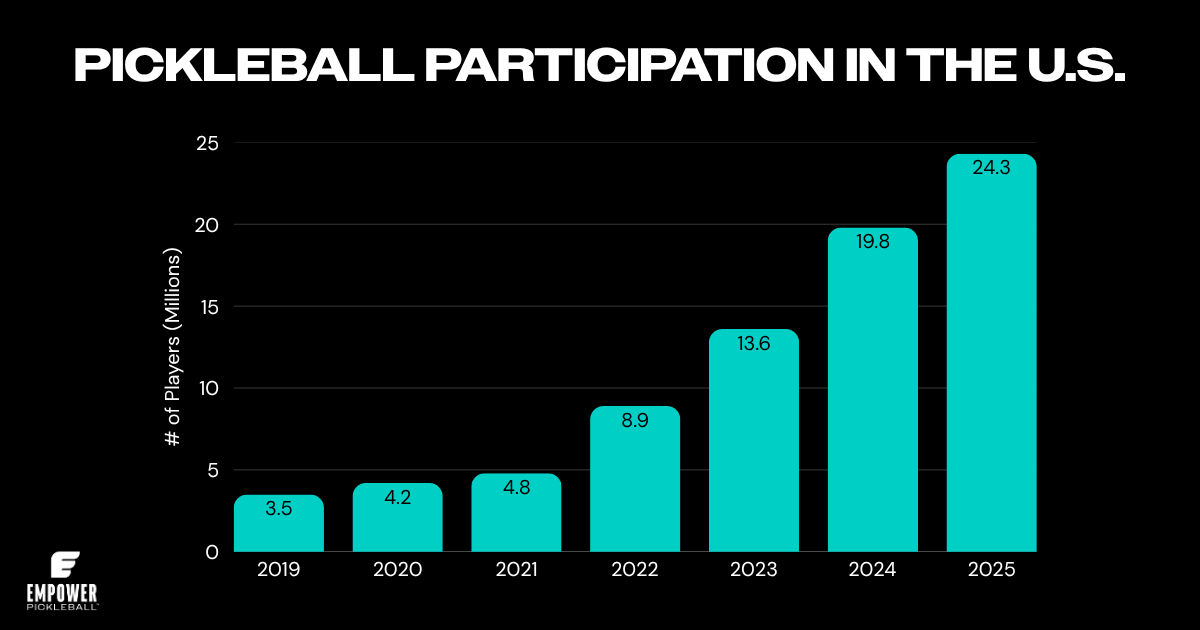
Pickleball growth in the United States (2019-2025)
Let’s be clear: the U.S. is still the foundation of the sport.
It has:
Built the culture
Driven participation
Created visibility
But youth development remains the biggest untapped opportunity.
If pickleball becomes:
Part of physical education programs
A recognized high school sport
A consistent youth league offering
Growth doesn’t plateau—it resets.
Global Growth Will Feed Back Into the U.S.
Here’s where it gets fun. As international systems mature, they’ll begin producing:
Younger competitive players
New training methods
Different styles of play
That influence will feed back into the U.S. market.
This pattern has played out in other sports like soccer and basketball. Global growth doesn’t compete with domestic growth—it accelerates it.
The Real Takeaway
Pickleball isn’t slowing down. It’s evolving.
The U.S. built the foundation: accessible, social, and easy to start.
International markets are building structure: youth development, systems, and long-term pathways.
As those two models collide, the sport moves beyond a “trend” and into something more stable and global.
Final Thought
If you think pickleball is big now, just wait. The next phase will look different:
Players who grew up in the sport
Schools treat it as standard
International competitions that raises the level
The next wave of pickleball growth isn’t just about more players. It’s about who those players are.
