

Pickleball’s Building Boom: Indoor Facilities Gain Ground
Pickleball isn’t just America’s fastest-growing sport—it’s also driving a surge in dedicated facilities, especially indoor courts, where year-round play, leagues, lessons, and hospitality combine to create a sports destination. And there’s no better time than now to compare, contrast, and gauge what best suits your play at the newest facilities and those planned for your community in 2026.
With more than 1,500 dedicated indoor pickleball facilities nationwide, as estimated by the International Association of Pickleball & Padel Facilities (excluding YMCAs and municipal facilities), and hundreds more to be added in the next year alone, it’s likely you’ve received promotions from a nearby location. Yet, taking a look at hot markets and regions, facility types, memberships, and other factors paints a broader picture of the landscape.
Areas of Indoor Expansion
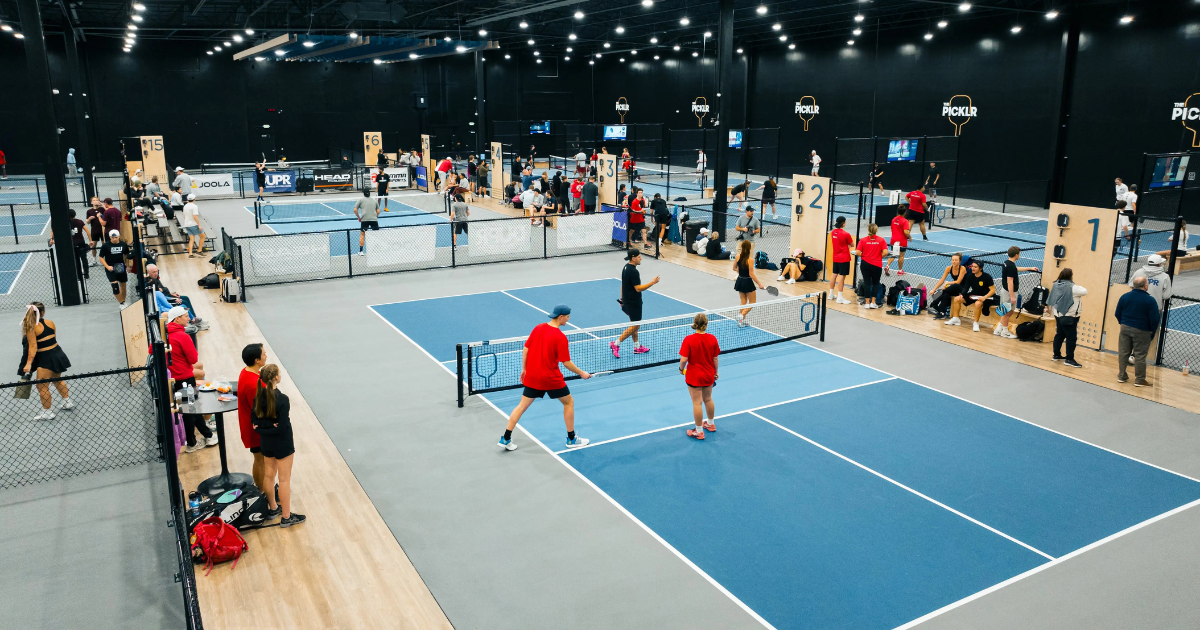
The Picklr indoor pickleball facility packed with league play.
While there is no centralized database of indoor and/or outdoor pickleball courts as of year-end, research across public and private sources surfaces interesting court growth trends. For instance:
Even though year-round sport is already part of the culture, the Sun Belt, followed by suburban areas of fast-growing metros, lead the pack in building indoor courts.
Houston and its suburbs is an area of indoor club growth for major franchise brands and independent operators.
Northeast and Midwest markets are in growth mode, with municipal recreation centers adding indoor courts and private clubs expanding.
Meanwhile, here are the top 10 states for indoor pickleball facilities as of year-end, including some potential surprises on the list, again based on industry and news sources: Texas, California, Florida, Arizona, Ohio, Georgia, Colorado, Illinois, Utah, and North Carolina.
Private and Club-Based Indoor Facilities
While existing municipal and recreational sites are adding pickleball courts to meet demand, private operators—including franchises, regional chains, and local owners—are building new spaces and remodeling existing properties. Franchised and multi-site brands—with names and logos that may be familiar—are now major drivers of indoor facility growth.
According to IAPPF records, as of the end of November, these are the top five pickleball facility franchises, along with each company’s site and court numbers.
Ace Pickleball: 21 sites, 270 courts
Dill Dinkers: 21 sites, 209 courts
Pickleball Kingdom: 16 sites, 209 courts
The Picklr: 56 sites 536 courts
PickleRage: 4 sites, 40 courts
Factors Driving Growth
While one element—unpredictable and seasonal weather changes—seems an obvious driver behind the increase in and demand for indoor courts, David Johnson, CEO of the International Association of Pickleball & Padel Facilities, points to other positives for players. He says that longer hours of play, better court conditions, and player comforts, such as lockers, restrooms, and food and beverage options at some sites, are attracting players and propelling growth. He also notes that indoor locations avoid neighborhood noise and lighting complaints.
David also points to business realities that contribute to indoor court economics and ultimately to membership and court-time fees. These include higher costs to build indoor versus outdoor facilities, challenges related to space and market assessments, leasing arrangements, and lengthy zoning approvals.
Business Models & Making Money
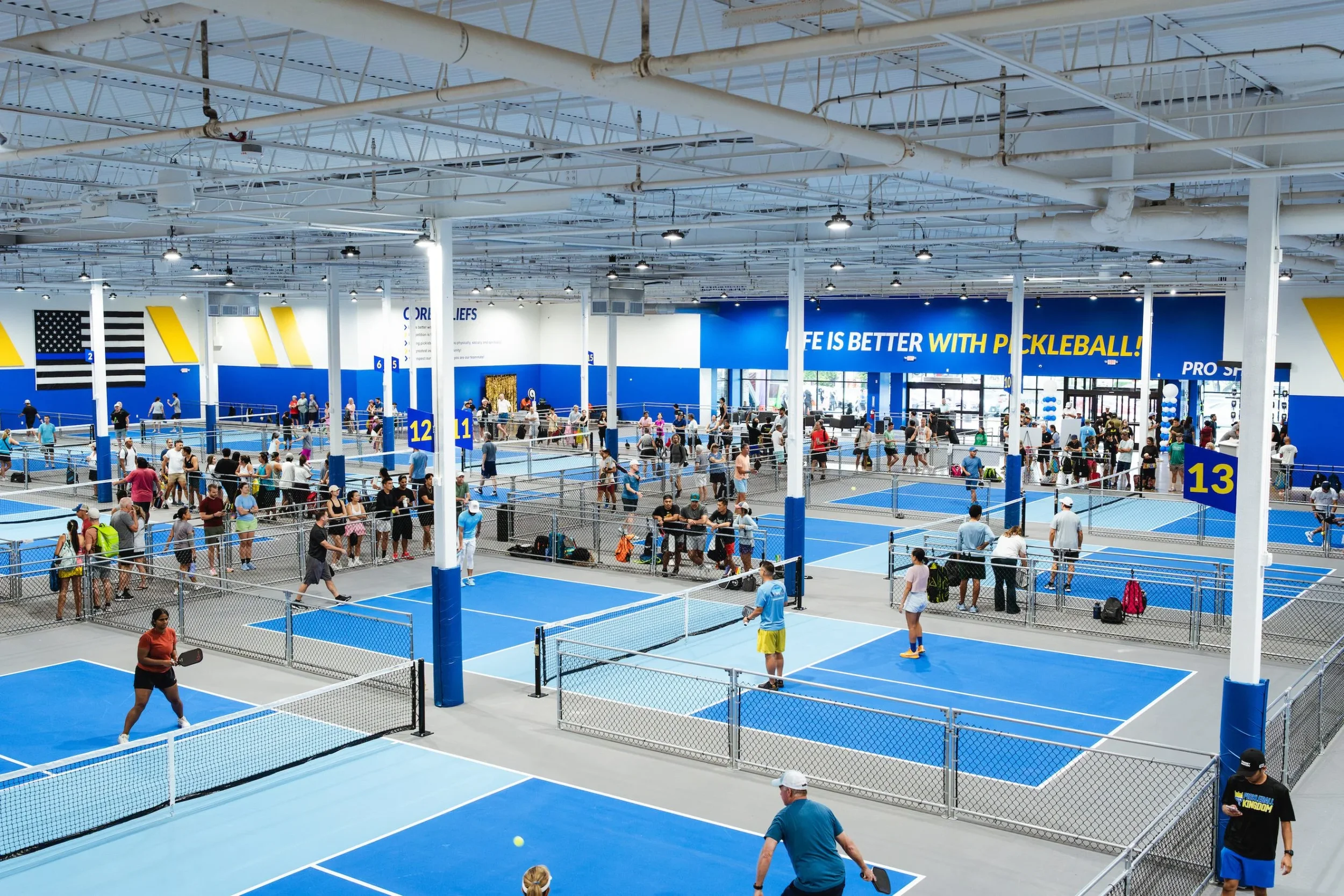
Pickleball courts packed at Pickleball Kingdom.
Indoor pickleball facilities can generate revenue from several sources, first and foremost membership and court-time fees. Some sites offer limited-time or seasonal memberships, as well as peak pricing for court access.
Other revenue sources can include league play, clinics and expert coaching, tournaments, youth camps, seasonable programming, and venue rental. Franchise and other facilities may also have pro shops selling equipment and branded gear. Restaurants and snack, juice and cocktail bars add to the sport and social character—and revenue mix.
Membership Fee Range
Geographic and market location, club type, reservation privileges, services, and amenities are reflected in the wide range of indoor facility fees consumers face. Urban and high-cost regions tend to have higher monthly dues. Clubs with lounges, gyms, pro shops, locker rooms, and food and beverage services generally charge higher fees. Service bundles—such as lessons, clinics, and social events—also contribute to higher membership offerings.
Online research points to general expense options to help assess the right fee fit. While these are monthly rates, some facilities offer single-season or annual dues.
Basic membership ranges from $30 to under $100 per month at smaller community or introductory and newly opened club sites.
Monthly rates from $60 to $129 are charged at many indoor clubs, particularly those in suburban and mid-sized markets.
Premium or full-service clubs can start at $140 up to $180 or more per month, with rates that may include expanded amenities and lesson discounts.
Growth is Good
Given his experience and exposure to the growth and variation across the indoor pickleball facility landscape in the U.S., David characterizes “great indoor facilities” as those that hit the marks for both the business and the membership buyer.
“Great facilities figure out the hospitality component, create community, and offer a welcoming and encouraging environment,” he noted.
In short, indoor facility growth continues to benefit players—newbie to pro—by scaling to meet demand with more choices and better places to play.
About the Author: Laurel Nelson-Rowe is an independent contributor to Empower Pickleball. A longtime business technology and communications leader, she now runs LaurelComms, delivering content for corporate and non-profit partners. When she’s not writing, you’ll find her on the pickleball court, volunteering, or sharing stories on her Substack, My Life Adventurement.