

How Pickleball in India is Breaking Barriers for Deaf & Differently Abled Players
At its core, pickleball isn’t just a sport. It connects people from all walks of life. Recently, an inspiring development from India has shown how inclusive and impactful pickleball can be.
The All India Pickleball Association (AIPA) has taken a significant step by launching a Para Pickleball pathway for students with hearing and physical disabilities . It’s an important moment not just for India, but for adaptive pickleball globally.
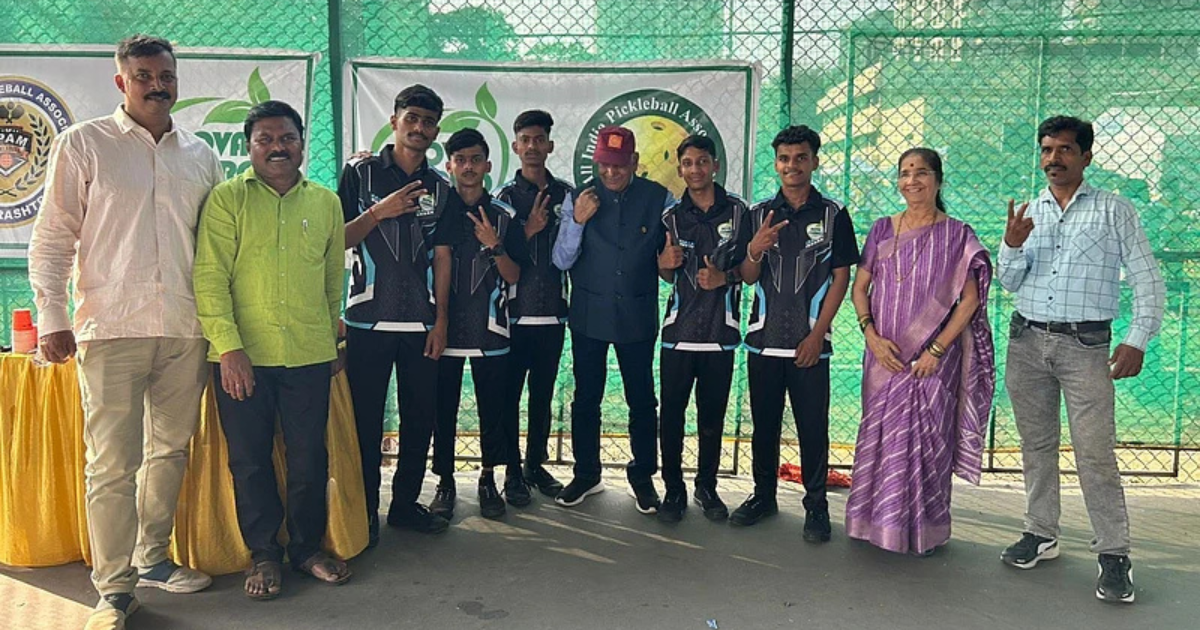
AIPA officials during the Para Pickleball intiative.
What’s Happening?
In January 2026, AIPA announced that students from Mauli School for Differently Abled were officially registered on the Dynamic Universal Pickleball Rating (DUPR) platform—one of the first times hearing-impaired and differently abled youth in India have been placed within the same competitive structure used by mainstream players.
This means these athletes are now part of the global pickleball ecosystem—with official rankings, competitive opportunities, and recognition. It represents a meaningful milestone in inclusive sports participation.
How It Started
The initiative began in April 2025 under the guidance of Coach Vaidehi Gupte, in collaboration with teachers at the school. Students were introduced to pickleball through:
Sign-based communication coaching
Adaptive teaching methods
Tailored drills and progressions
Over three months, these young athletes—some trained using improvised wooden paddles and makeshift courts—built confidence, coordination, and knowledge of the game through supportive, creative instruction.
More Than Just Play
Five standout students (four from Standard 10 and one from Standard 9) were selected for a two-day exposure program in the city where they:
Were formally registered on DUPR
Trained and scrimmaged with hearing peers
Participated in mock matches against experienced players
Gained insights into competition and professional conduct
These experiences help build confidence and athletic identity, especially for players who have historically had limited access to organized competitive sports.
Inclusivity in Action
AIPA President Arvind Prabhoo emphasized that pickleball must grow as a sport that includes everyone. Initiatives like this demonstrate how access, structured training, and opportunity can help differently abled athletes become part of the competitive landscape.
The event was supported by AIPA officials and local partners who also helped provide ongoing practice space and mentorship for the students.
Spotlight: Mauli School & Rekha Gaikwad
What makes this partnership especially powerful is the legacy behind it.
Mauli School—founded by Mrs. Rekha Gaikwad—has served the deaf and differently abled community in India for more than 25 years. The school focuses on holistic development through education, life skills, and empowerment programs.
This collaboration with AIPA adds a sporting intervention to that mission—giving students the opportunity to build physical confidence, teamwork skills, and competitive experience alongside their academic growth.
While public biographical details on Mrs. Gaikwad is limited beyond her leadership at Mauli School; her long-standing commitment to inclusive education reflects values that align closely with the global Para pickleball movement.
Why This Matters to the Global Pickleball Community
This initiative highlights what’s possible when inclusivity is intentional:
Deaf and differently abled players now have access to structured competitive ratings
Adaptive coaching methods expand how the game can be taught
Mixed exposure with hearing players helps build connection and reduce stigmas
Stories like this matter because they show how pickleball can create space for everyone on the court when opportunity is shared thoughtfully.
