

How 2025’s Biggest Fitness Trends Changed the Way Pickleball Players Train
Pickleball didn’t need another breakout year in 2025. That already happened.
What changed this past year was how players showed up on the court. More often. More competitively. And with a clearer understanding of what their bodies could realistically handle.
As participation surged across strength training, running, Pilates, and racquet sports, players found themselves part of a broader fitness shift. Longevity became a priority. Recovery carried real weight. Training decisions started to matter just as much as time spent on the court.
The biggest fitness trends of 2025 didn’t sit alongside pickleball. They shaped how players trained for it, recovered from it, and planned to keep playing long term.
Pickleball Became a High-Volume Sport
Pickleball used to be something you played a few times a week. In 2025, that changed.
Leagues stacked on top of open play. Tournaments turned into multi-day travel commitments. Players showed up on back-to-back days, sometimes multiple times in the same day. End-of-year fitness data from companies like Garmin and Strava showed racquet sports as the fastest-growing fitness category of the year, with participation up dramatically among women and younger athletes.
As play frequency increased, so did physical demand. Ankles, knees, hips, shoulders, elbows. Pickleball became a repeat-play sport, and repeat play carries real training load.
That shift forced players to adapt.
Strength Training Became a Support System
Strength training surged across every generation in 2025, and pickleball players followed suit for practical reasons.
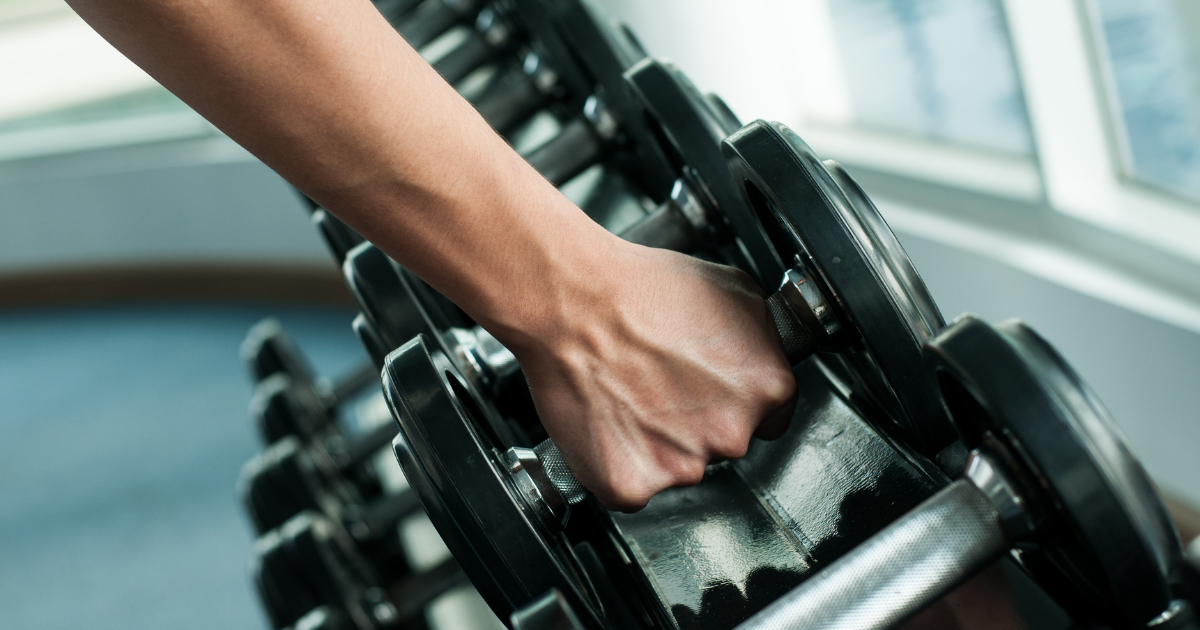
Stronger legs improved lateral movement and stability. Core strength helped with balance at the NVZ. Upper-body strength made repeated serves, drives, and overheads more manageable across long play weeks.
Industry trend reports ranked traditional strength training among the top fitness trends of the year, and pickleball players increasingly treated it as maintenance rather than punishment.
Strength training became part of staying on the court, not something that competed with playing time.
Pilates and Functional Training Filled the Gaps
As pickleball volume increased, stiffness, imbalance, and overuse issues followed. That reality aligned closely with the rise of Pilates and functional training in 2025.
For pickleball players, these modalities addressed what court time alone could not. Hip mobility for lateral movement. Thoracic rotation for reach and control. Balance for recovery after wide shots.
Low-impact, control-focused training supported the specific demands of pickleball without adding unnecessary stress. It gave players stability, mobility, and body awareness that translated directly to better movement on the court.
Wearables Changed How Players Made Decisions
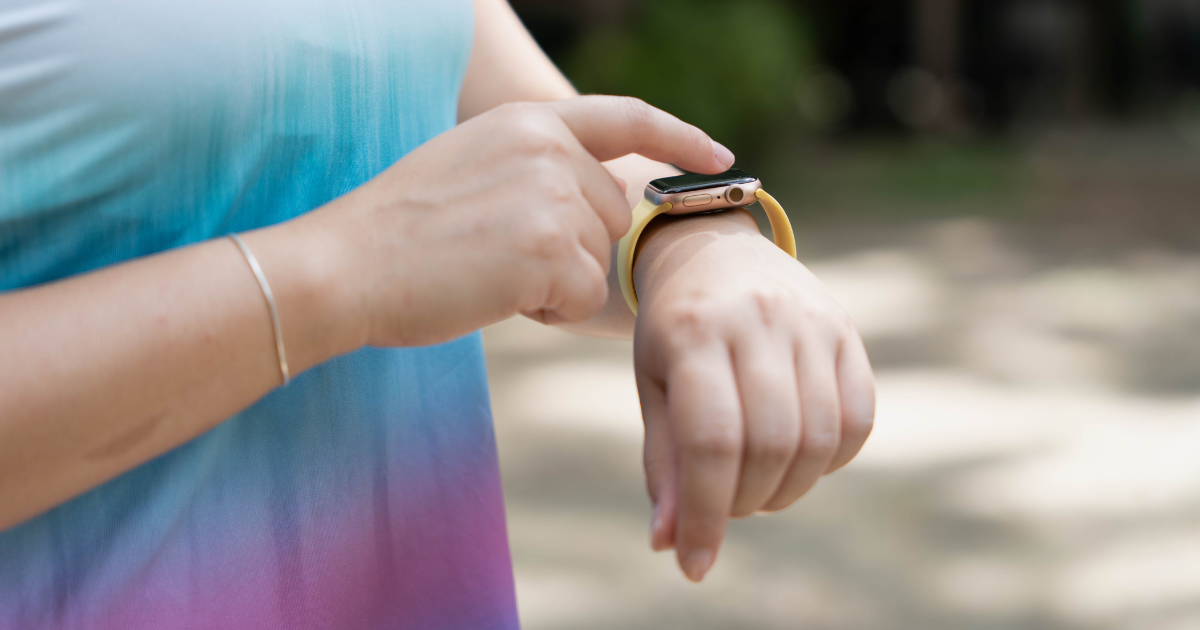
Wearable technology ranked as the top fitness trend of 2025, and its impact reached pickleball quickly.
Sleep tracking, heart rate variability, and recovery metrics became part of how players planned their week. Instead of guessing, players used data to decide when to rest, when to stack sessions, and when to pull back.
Perfect data wasn’t the goal. Better awareness was.
That shift helped players avoid burnout and protect their ability to play consistently, especially as weekly volume increased.
Warm-Ups Became Intentional
One of the most noticeable changes in 2025 was how players warmed up.
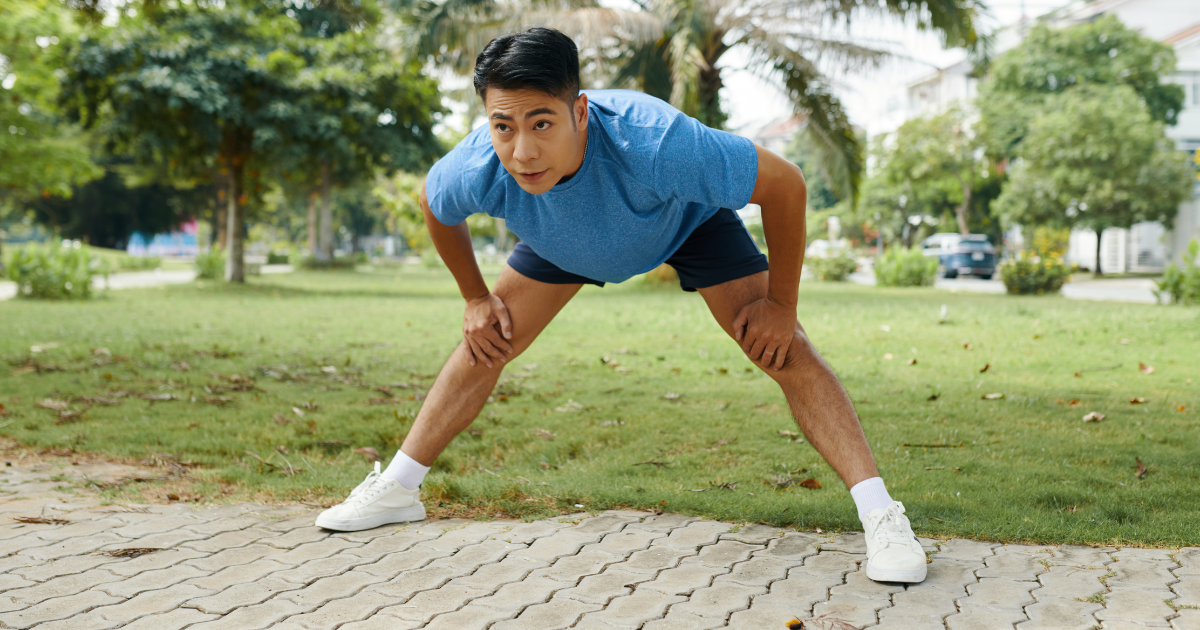
Long, generic routines faded out. In their place came short, sport-specific preparation that focused on movement patterns seen in pickleball. Ankles and calves for quick direction changes. Hips for reach and recovery. Shoulders and wrists for repeated overheads and dinks.
As participation increased across high-frequency sports, injury prevention became less theoretical and more urgent. Pickleball players quickly learned that a few focused minutes of warm-up before play often prevented weeks away from the court.
Longevity Took Priority
Pickleball’s age range makes it unique. Few sports attract first-time athletes, competitive twenty-somethings, and sixty-plus players at the same time.
Industry data in 2025 showed a rise in fitness programming for older adults alongside increased strength training across generations. Pickleball reflected that shift naturally.
Players began thinking less about short-term performance spikes and more about staying active for years. Training schedules changed. Recovery mattered. Load management became routine.
Editor’s Note: The trends weren’t limited to competitive players. Many recreational pickleball players now spend three to five or more days each week on the court.
What Pickleball Players Should Carry Into 2026
The fitness trends of 2025 made one thing clear. Pickleball places real demands on the body.
The players who adapted weren’t necessarily playing more. They were planning better.
Strength training to support joints and movement
Cross-training that addressed mobility and balance
Recovery tracked and respected.
Warm-ups built specifically for pickleball
Pickleball didn’t change overnight. Expectations did.
And the players who adjusted are the ones still showing up, still competing, and still enjoying the game without constantly working around pain.
