

Cardio for Life: How to Train Your Heart to Play Pickleball for Decades
February is American Heart Month. Pickleball may be a great sport for cardio, but building an engine outside of the game can help you keep playing longer.
Most players assume that showing up to open play a few times a week is enough to stay fit. And for a while, it is. But then tournaments get longer. Matches get tighter. Third games feel heavier. Recovery takes longer.
If you want to play for decades, not just for a few years, you need to train your heart the same way you train your drives and resets. That means building endurance, sharpening bursts, and learning how to recover fast enough to keep your level high when it matters.
This is how you do it.
Build the Engine First: Zone 2 Training
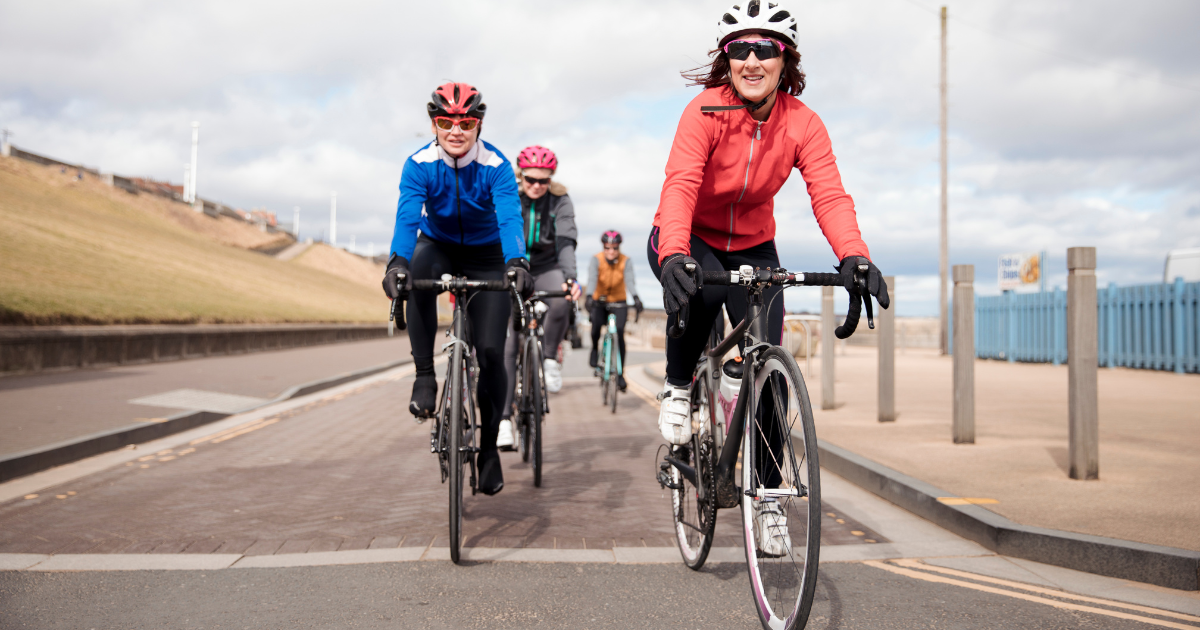
Activities like brisk walking, cycling, running, and swimming are great for pickleballers focused on Zone 2 training.
Sometimes there’s just that one exercise that you don’t want to do, and for most players, Zone 2 is it. That’s why it gets skipped.
Zone 2 is slow, steady cardio where you can still talk in full sentences. Think brisk walking, easy cycling, or light jogging. Your heart rate sits around 60 to 70% of your max. You are working, but you are not suffering.
And that’s exactly the point.
This kind of training improves how efficiently your heart delivers oxygen and how well your muscles use it. Over time, that means less fatigue, faster recovery between points, and more consistency across long days on the court.
This matters more than many pickleball players realize. Long tournaments are often lost because legs feel dead, footwork slows, and decision-making gets sloppy. Zone 2 training is what keeps you steady when others start forcing shots.
It also protects your heart long-term. Steady cardio supports metabolic health, healthy aging, and reduces the stress that constant high-intensity puts on the body.
If you want a base that lasts, this is where you start.
How to use it: 30 to 60 minutes, one to three times per week.
Train the Game You Actually Play: Intervals
Pickleball is not jogging.
It’s a sprint, stop.
Explode, recover.
Repeat.
That’s why interval training matters.
High-intensity intervals mirror the demands of a pickleball point. Short bursts of hard effort followed by brief recovery. Shuttle runs. Court sprints. Fast footwork drills. Push, breathe, reset.
This type of training boosts how well your heart handles repeated spikes in effort and helps your body recover while under pressure.
Translated to the court, that looks like this:
Faster reactions on the fifth shot
More juice late in rallies
Less panic when points stretch longer than expected
Interval training works best when it’s layered on top of a strong endurance base. When those two systems work together, your body becomes harder to fatigue and quicker to rebound during play.
How to use it: One to two sessions per week. Short, focused efforts with full recovery between rounds.
The Metric Most Players Ignore: Recovery Rate
Here’s a truth most players don’t want to hear: fitness shows up in how quickly your heart rate comes down between points, not how high it climbs during a rally.
Heart rate recovery is the gap between finishing a long rally and being ready to play the next point. If your heart is still racing when the serve goes in, you are already behind.
Fast recovery means:
Clearer thinking
Better footwork
Fewer rushed decisions
More consistent execution under pressure
Slow recovery often leads to forced shots, missed returns, and mental spirals that feel physical but aren’t.
The good news is this is trainable. Both Zone 2 work and interval training improve recovery over time. As your heart gets stronger and more efficient, it switches gears faster. You calm down quicker. You reset sooner. You start points feeling ready instead of reactive.
If you’ve ever wondered why some players look fresh in a third game while others unravel, this is usually why.
How to use it: Pay attention to how your body feels between points and games. Outside of play, mix steady aerobic work with interval sessions. On court, use intentional breathing and full resets instead of rushing the next serve.
The Lifelong Mindset: Train So You Can Keep Playing
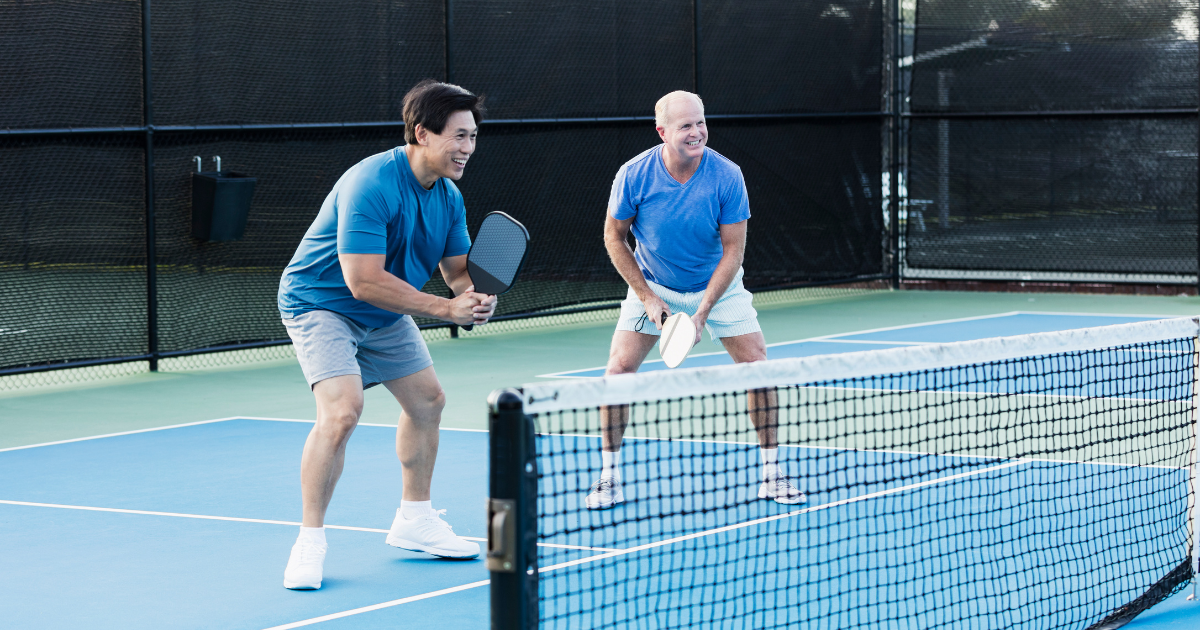
This is the part people skip until something hurts.
Pickleball is a long game. If you want to play into your 50s, 60s, 70s, and beyond, your training has to reflect that. Not grind-until-burnout. Not constant max effort. Not ignoring recovery.
Heart-healthy training allows you to keep playing without your body forcing you to stop.
Research consistently shows that racquet sports are linked to longer lifespans and lower risk of cardiovascular disease. The mix of movement, reaction, strategy, and social connection is powerful, but only if your body can tolerate it long-term.
A lifelong mindset means:
Warming up instead of jumping straight in
Cooling down instead of grabbing your bag and leaving
Building cardio that supports recovery, not just output
Training year-round instead of in panicked bursts
The goal is to prepare your body for seasons of play, not just the next tournament on your calendar.
How to use it: Train year-round with variety. Balance cardio, strength, mobility, and recovery so you can stay consistent instead of cycling through injuries or burnout.
A Stronger Heart Is a Competitive Advantage
If you want to play pickleball for decades, you need an engine that lasts.
Zone 2 builds your base. Intervals sharpen your edge. Recovery rate helps you maintain decision-making, footwork, and shot quality deeper into matches. A lifelong mindset keeps you on the court.
During American Heart Month, the focus should be on building habits that support both performance and long-term heart health.
Protect your heart. Build your engine.
Keep playing long after others burn out.
This article is for educational purposes only and is not intended as medical advice. Always consult a physician or qualified healthcare professional before starting a new training or exercise program.
