

Two Hands, Learning Fast: A Junior Pickleball Player Finding Her Way
There’s a moment in competitive sports when things stop feeling casual.
When you’re no longer playing because it’s fun, your parents signed you up, or it simply fills a weekend, you’re playing because something clicks.
Natalia Simson is 13 years old and has been playing pickleball for a few years—and she’s already felt that shift.
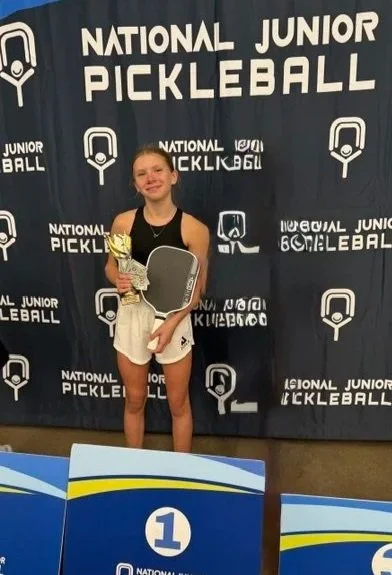
What’s changed is that she’s no longer just showing up. She’s paying attention—and for a junior pickleball player, that awareness tends to arrive before the results do.
From a Park Court to Her First Tournament Weekend
Natalia’s introduction to pickleball was casual. Her dad took her to a park with friends and taught her how to hit the ball over the net. At the time, pickleball was just another activity. Something to try.
Before that, she played travel soccer for seven years. She understood competition, practices, and weekend schedules, but pickleball felt different. It was easier to pick up. Faster to learn. And immediately social.
Her first real exposure to the sport at a higher level came at the U.S. Open in 2023, where she went to watch her dad compete. She remembers watching the pros more than anything else. The pace. The intensity. The way the game looked when people took it seriously.
Later that year, she entered her first tournament as a player at the APP Chicago Open. It was her first time being inside a bracket instead of watching from the sidelines, and the nerves felt different when the matches were hers.
“It was nerve-wracking,” she said, “but it was cool just being there.”
That combination of nerves and excitement stuck. It didn’t scare her off. It pulled her in.
Finding Her Place in Junior Pickleball
Like many young players, Natalia spent time bouncing between adult events and junior competition. She learned quickly that they don’t feel the same.
Her first National Junior Pickleball (NJP) event came early in 2024 in the Atlanta area. It stood out immediately. More games. Round robin formats. An opening night where juniors played together, met each other, and didn’t disappear after their matches ended.
“You get way more games,” she said, “and it was where I got to meet everybody.”
At that time, her division had very few girls. It was mostly boys, with Natalia and one other girl navigating the bracket. That dynamic didn’t intimidate her. In fact, it became something she enjoyed.
She likes playing against boys. She likes the challenge. And she’s honest about why it feels different.
“There’s less pressure,” she said. “They don’t want to lose to a girl.”
Her favorite part of NJP is the team event, a format that brings a different energy. It’s loud, fast, and communal. For a generation of junior pickleball players who grew up watching team-based formats, it feels natural.
When the Pro Qualifier Became Real
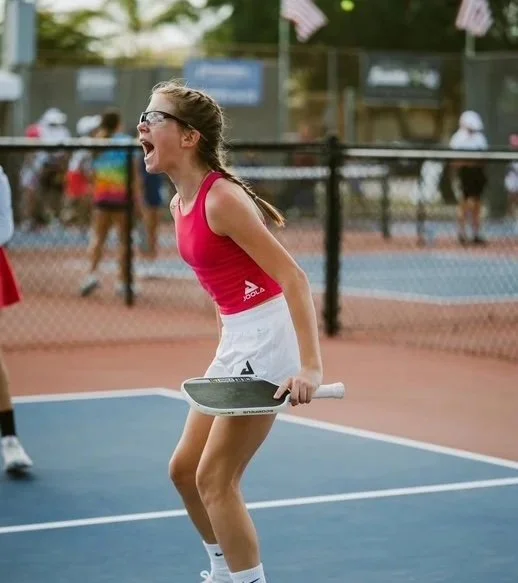
Natalia walked into her first pro qualifier without big expectations. She hoped to win a match or two. Making the main draw felt like a stretch.
Then she did.
“It didn’t really feel real,” she said. “I was like, ‘Oh my gosh, I actually made it in.’”
Suddenly, she was playing where the pros play. On the same courts. In real rounds. One matchup she was especially excited about was against Cailyn Campbell, a player she’d watched before and wanted to face firsthand.
She didn’t advance far in the main draw, but she didn’t walk away discouraged. She walked away informed.
What she learned was specific: the importance of consistency, footwork, and smarter shot selection. She also talked about learning how to close out matches mentally instead of letting them slip away.
Having junior friends in the stands cheering made a difference.
Two Hands, Both Sides
If you watch Natalia play, this is usually the first thing people notice.
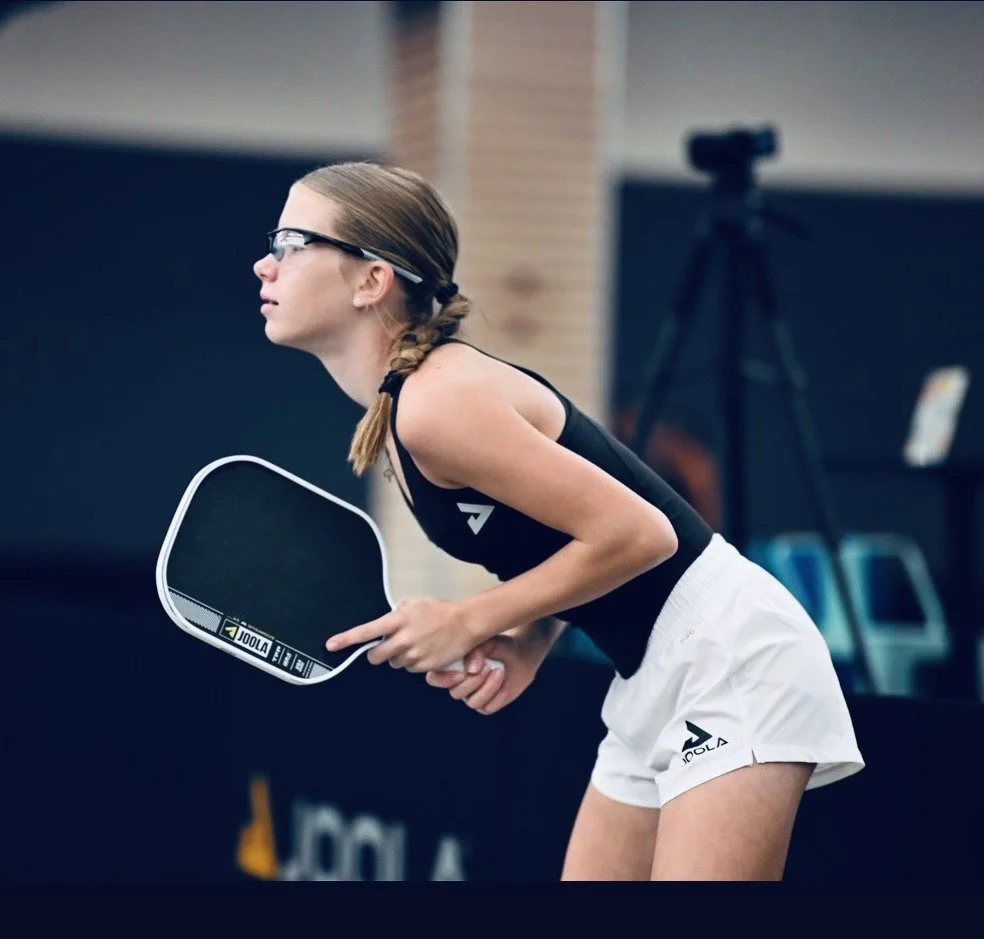
She hits with two hands on both her forehand and backhand.
It started because she was young and the paddle felt heavy. The second hand helped with control. Then it helped with power. Over time, it became part of her identity as a female pickleball player.
People often assume she came from tennis. She didn’t. Soccer was her background. The two-handed style stuck because it worked.
She even used a two-handed drop serve early on, until pro-level rules required her to adjust. She adapted quickly. Learned the one-handed serve. Kept everything else that made her game feel like hers.
Sponsored, But Still Early
Natalia has been sponsored by JOOLA since April 2024. This is her second year with the brand.
She liked the paddle, her family pursued the relationship, and NJP founder Courtney Loughridge and their network helped make the introduction. For now, the sponsorship is primarily gear, but it also comes with real support: photos, content, and visibility that junior players don’t always receive.
She’s one of only two girl juniors on the JOOLA roster. For her, it’s simply part of where she is right now.
Training, School, and Balance
Natalia trains six days a week. Some days include two sessions.
She attends school from 10 to 1 and completes the rest at home. She’s in advanced classes and consistently on the honor roll. Her parents are intentional about balance, making sure training doesn’t crowd out rest, friendships, or the chance to be 13.
She’s also starting to help coach younger kids at Chicago Pickleball Academy, working with players as young as eight.
What Comes Next
This year, Natalia is focused on pro qualifiers, pro events at the U.S. Open, and challenger-level competition. She’s still invested in juniors too, with one clear goal in mind: earning her first triple crown.
She’s been close enough that it feels real.
She also wants to raise her DUPR rating to 5.0, a goal anyone familiar with the system knows can take time, patience, and the right opportunities.
If she could offer advice to younger players heading into their first National Junior Pickleball event, it’s simple: go in confident, but don’t make it all about winning. Train. Work on footwork. Meet people. Have fun.
Because confidence built on enjoyment tends to last longer than confidence built on results. And for a 13-year-old junior pickleball player still figuring things out, that might be the most important foundation of all.