

The Only Pickleball Accessories You Actually Need in 2026
Pickleball doesn’t need more stuff.
What it needs is fewer nagging injuries, less burnout, and gear choices that actually support how long you want to play.
A smart reset for 2026 focuses on small, practical upgrades that protect your body and make the game feel better over time.
Here are the three pickleball accessories that actually matter, and why they’re worth your attention.
Fresh Overgrips (and Sometimes a Replacement Grip)
Your grip is the only thing connecting your body to the paddle. When it’s worn down, slick, or compressed, everything else starts compensating—and that’s where problems begin.
Why Grip Quality Matters More Than You Think
A worn grip forces you to squeeze harder to keep control. That extra tension travels straight into your forearm, elbow, and wrist. Over time, that “death grip” is a major contributor to pickleball elbow and other overuse injuries.
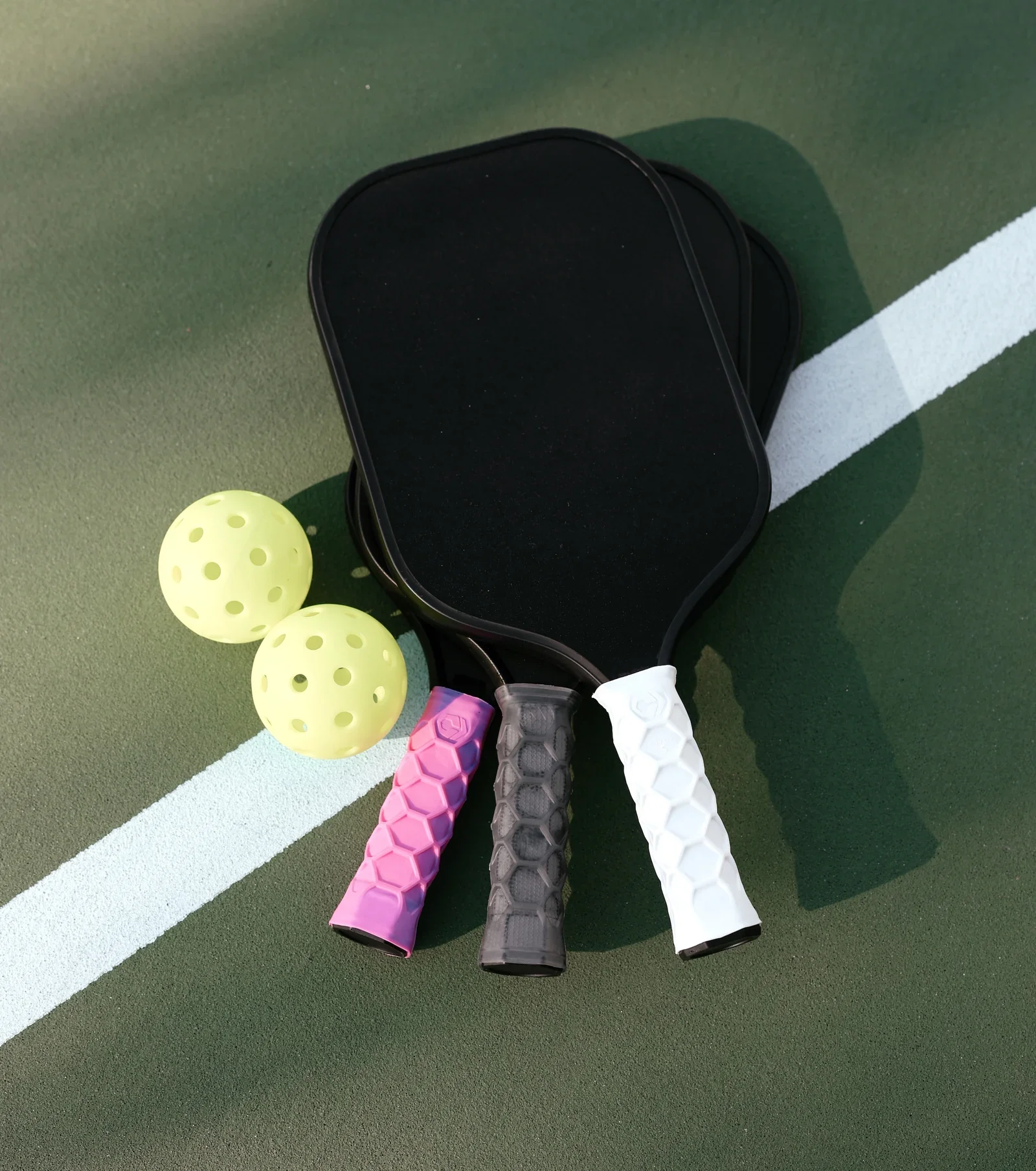
Photo by Hesacore
A fresh grip does three important things:
Reduces strain by letting you hold the paddle with less tension
Improves control so the paddle doesn’t twist or slip on contact
Absorbs vibration that would otherwise travel into your arm
Each overgrip also slightly increases handle size, which matters more than most players realize. A grip that’s too small encourages over-gripping. A properly sized grip allows a more relaxed, controlled swing.
Overgrips vs. Replacement Grips
Overgrips are thin, inexpensive, and easy to replace. They’re ideal for refreshing feel, improving tack, and managing sweat.
Replacement grips are thicker and more durable. They’re better if you need more cushioning, shock absorption, or a permanent size adjustment.
If your paddle feels slippery, harsh, or uncomfortable, don’t replace the paddle—replace the grip first. It’s one of the most affordable fixes in pickleball, and one of the most effective.
Why It Matters: If your grip looks worn or feels slick, it’s already overdue.
Proper Socks (Yes, This Actually Matters)
Socks aren’t exciting. They’re also doing more work than you think.
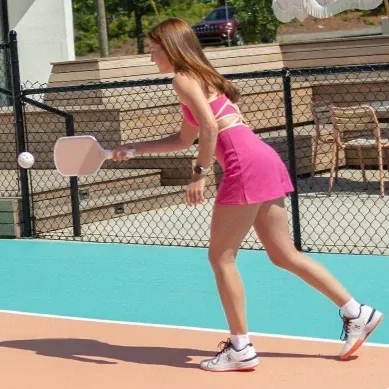
Photo by Feetures
Pickleball demands constant lateral movement, quick stops, and fast pivots. Your feet take that load every single rally. When your socks don’t support that movement, fatigue builds faster and small foot issues turn into big ones.
What Good Socks Actually Do
Cushion impact in the heels and forefoot to reduce fatigue
Prevent friction that causes blisters and hot spots
Manage moisture so sweat doesn’t break down skin or cause slipping
Support the arch to keep feet feeling stable during long sessions
Cotton socks trap moisture and increase friction. Athletic socks use moisture-wicking materials and strategic padding to keep your feet dry and supported.
Foot fatigue shows up fast when you’re logging long games and back-to-back play days.
Why It Matters: If your feet are sore, blistered, or exhausted after play, your socks are part of the problem.
Protective Eyewear (Not Paranoia, Prevention)
Eye protection in pickleball still feels optional to a lot of players. That changes quickly the first time a ball comes off a paddle at close range.
Pickleballs move fast. Courts are crowded. Doubles play brings paddles, bodies, and balls into tight spaces. Eye injuries are one of the fastest-growing injury categories in the sport—and many are completely preventable.
Why Eye Injuries Are Increasing
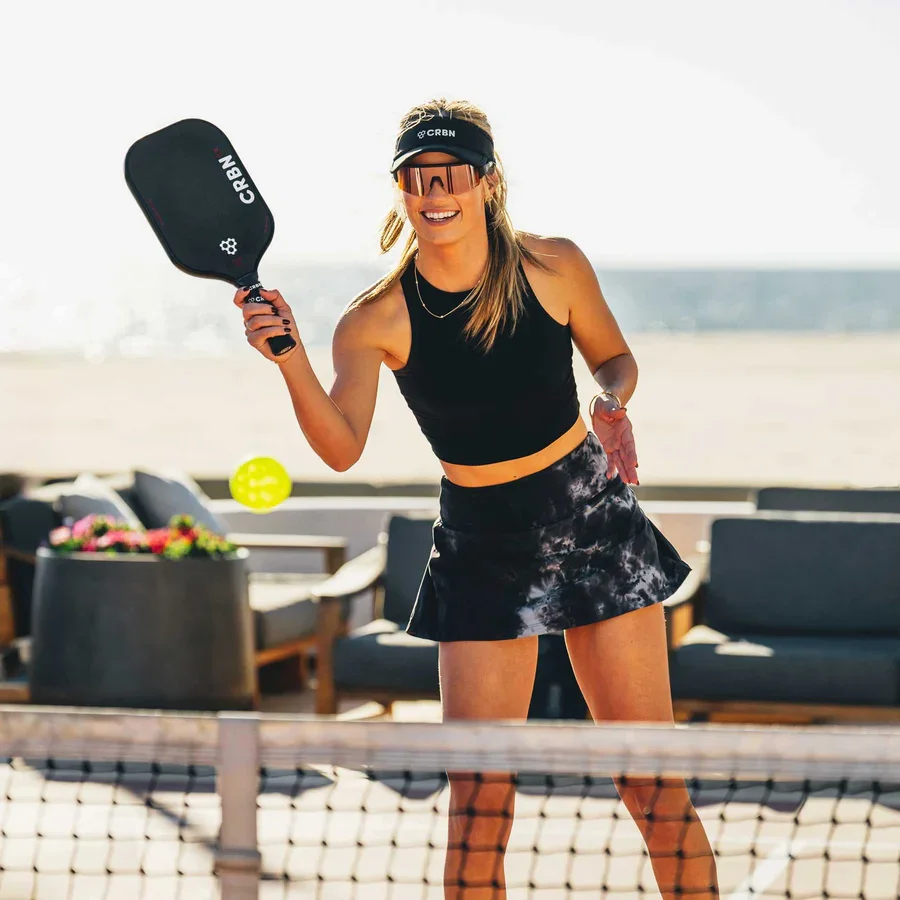
Photo by CRBN
Emergency room data shows a sharp rise in pickleball-related eye injuries over the last few years. These aren’t just minor scrapes. They include corneal abrasions, fractures around the eye socket, and in rare cases, permanent vision damage.
You don’t need to get hit often for it to be a problem. You only need to get hit once.
What Counts As Real Eye Protection
Polycarbonate lenses that won’t shatter on impact
Wraparound coverage to protect from side angles
Secure fit so glasses don’t slide during play
Regular sunglasses and everyday prescription glasses don’t meet those standards. Sports-rated eyewear does.
Modern pickleball eyewear is lighter, clearer, and more comfortable than people expect. Most players forget they’re wearing it after a few minutes—and the peace of mind is worth it.
Why It Matters: Protecting your eyes isn’t dramatic. Losing vision would be.
The Smart Reset for 2026
None of these accessories are flashy. That’s the point.
Fresh grips, proper socks, and protective eyewear won’t change your DUPR overnight. What they will do is:
Reduce strain on your joints
Lower your risk of preventable injuries
Make the game feel better over time
Comfort and protection matter more than gadgets. Small upgrades beat expensive overhauls.
If you’re going to invest in anything this year, invest in the parts of your body you actually need to keep playing.
That’s a reset worth making.
