

Pickleball Paddle Generations Explained
If you’ve been looking at paddles lately, you’ve probably seen “Gen 3” or “Gen 4” slapped onto product pages like it’s supposed to mean something obvious.
It doesn’t.
There’s no official standard. No governing body defining this. It’s mostly industry shorthand for how paddle construction has evolved over the past few years.
But there are real differences under the hood—and they do matter once you understand what’s actually changing.
Gen 1: The Baseline Everyone Started From
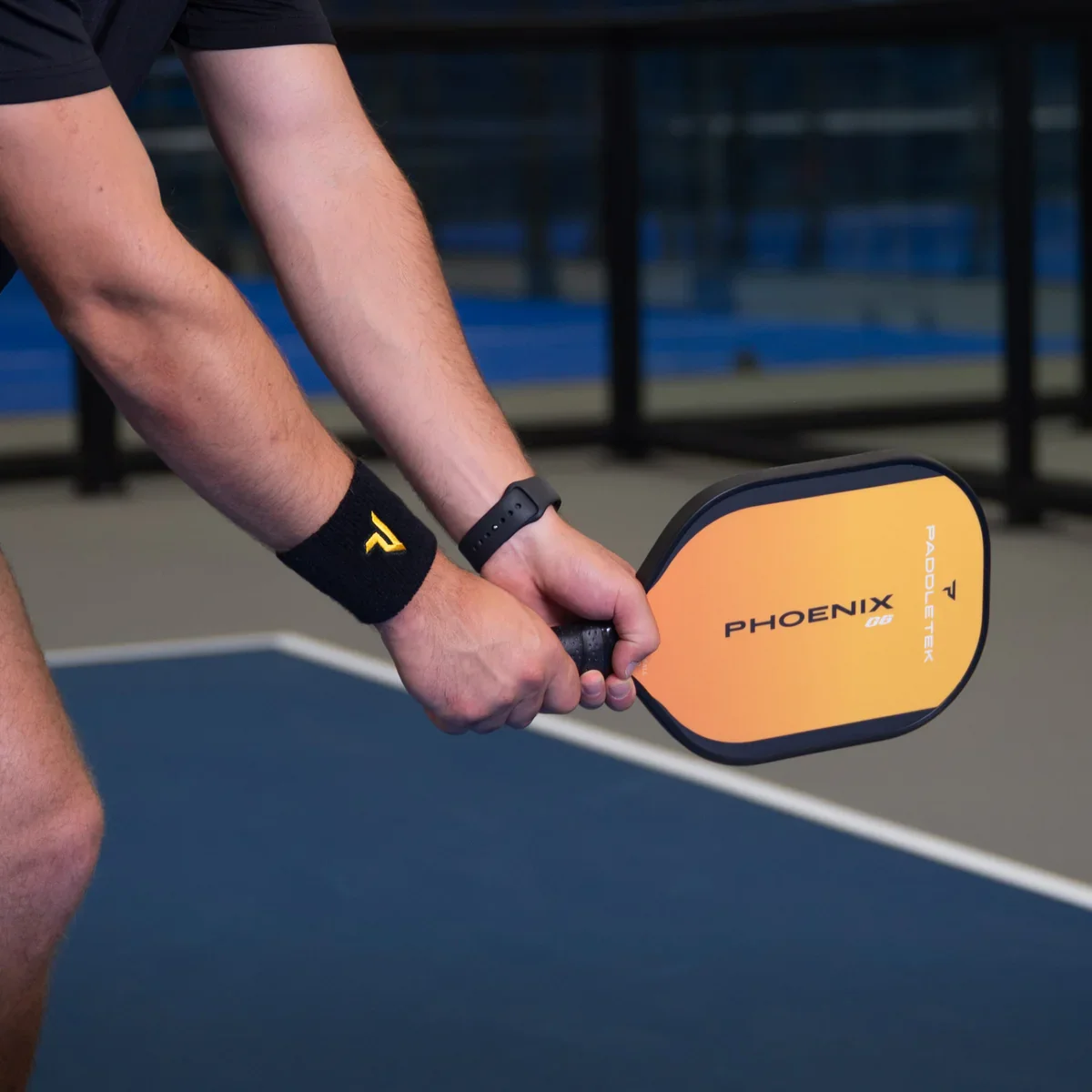
A paddle like the Paddletek Phoenix G6 is a good example of Gen 1—simple construction, consistent feel, and no extra tech layered in.
This is your classic paddle build. Nothing fancy, but it works.
Gen 1 pickleball paddles use a polypropylene honeycomb core with face layers (carbon fiber, fiberglass, graphics) bonded on top and bottom. They play pretty neutral across the board. You’re not getting crazy power or spin, but nothing feels out of control either.
This is what most players learn on. It’s consistent, affordable, and does exactly what you expect.
Best for: beginners, casual players, or anyone who doesn’t care about chasing every new tech drop.
Gen 2: Thermoforming Changed Everything
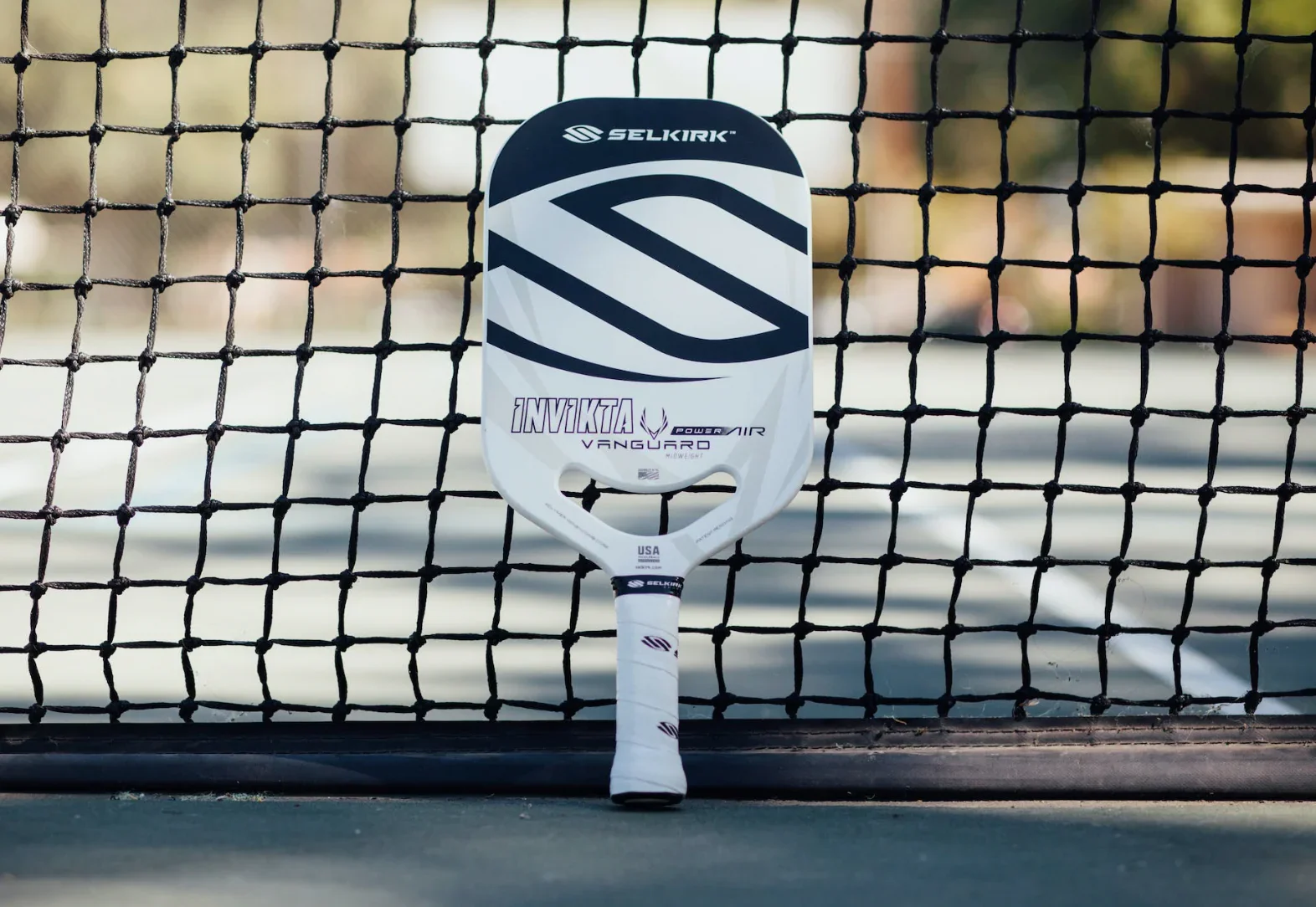
Paddles like the Selkirk VANGUARD Power Air helped define Gen 2, using thermoformed construction to create more power and a more solid feel across the paddle face.
This is where paddles took a step forward.
Instead of layering everything together, Gen 2 paddles are thermoformed into one sealed piece. The core is fully wrapped, usually in carbon fiber. That sealed construction creates better energy transfer—meaning more power without needing a bigger swing.
When compared to Gen 1 paddles, players will notice:
More pop
More stability
More consistency across the face
The trade-off is losing a bit of that soft, forgiving feel.
Best for: players who are past the beginner stage and want a noticeable performance upgrade without going overboard.
Gen 3: The Power Boom (and the Drama)
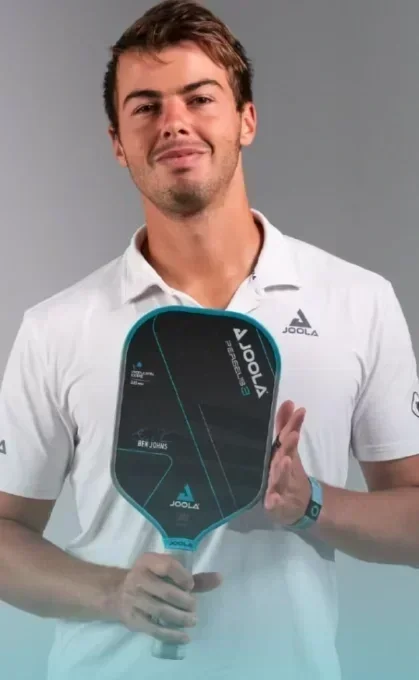
The JOOLA Perseus 3 (now discontinued) is one of the most well-known Gen 3 examples, built around added foam and power-focused construction that pushed paddle performance to the edge.
This is where things got aggressive.
With Gen 3 paddles, brands took thermoforming and added:
Foam around the edges
New core structures
More “spring” in the paddle
Power jumped—a lot.
You didn’t need perfect mechanics to hit harder. These paddles started doing more of the work for you.
That comes with:
Bigger sweet spots
More forgiveness
Easier power on drives and counters
This is also where things pushed the limits. Some paddles got so hot they ended up in the middle of rule changes and bans.
If you’ve been wondering what a Gen 3 pickleball paddle actually means, this is it: more built-in power, with less margin for sloppy control.
Best for: players who want help generating power and don’t mind dialing in their touch to control it.
Gen 4: Foam Core Is the New Direction
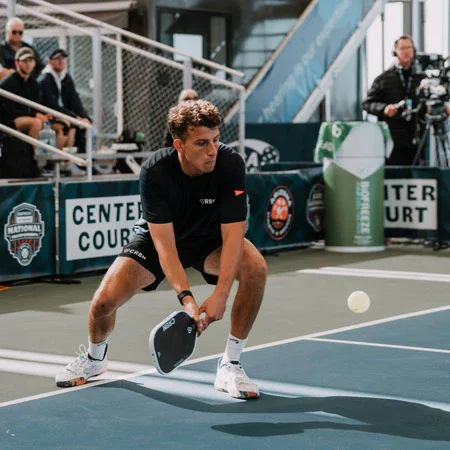
The CRBN TruFoam Genesis is one of the first true Gen 4 paddles, replacing the traditional honeycomb core with a full foam core designed for long-term consistency and durability.
This is where we are now—the newest category, and still evolving.
Instead of a honeycomb core, Gen 4 paddles use full foam cores. Traditional cores can break down over time, leading to dead spots and inconsistent feel. Foam is designed to fix that.
In terms of performance, Gen 4 paddles tend to feel:
More consistent over time
Balanced between power and control
Slightly more dampened, less hollow
Here’s the honest part: it’s still early.
Some paddles (like CRBN’s TruFoam line) are getting strong feedback. Others feel off. Most come at a higher price point.
Best for: players who play often and are tired of their paddle feeling different after a few months.
So… Does “Generation” Actually Matter?
Yes—but not in the way people think.
A Gen 4 paddle isn’t automatically better than a Gen 2. And a Gen 3 isn’t right for everyone just because it hits harder.
If you’re trying to understand the difference between pickleball paddle generations, this is the real takeaway:
Generation tells you how a paddle is built—not whether it’s right for you.
What actually matters more:
How it feels in your hand
Your control vs. power preference
Weight and balance
How often you play
Paddle Generation Recap
The Gen 1-4 labels aren’t fake—but they’re not gospel either.
They’re a quick way to understand how a paddle is built and what direction it leans:
Gen 1 → simple and reliable
Gen 2 → balanced upgrade
Gen 3 → power and forgiveness
Gen 4 → consistency and durability
After that, it comes down to you.
Because the best paddle isn’t the newest one—it’s the one you actually play well with.
