

Pickleball Doubles vs. Singles Rules: What’s Different?
At first glance, singles and doubles pickleball look almost identical. Same court, same kitchen, same underhand serve, and the same basic scoring system.
But once the point starts, the differences show up fast.
The rules are closely related, yet the way they apply changes strategy, movement, court coverage, serving order, and the overall pace of play. Understanding the difference between pickleball singles and doubles rules helps you adjust faster, whether you’re playing alone or with a partner.
The Core Rules Stay the Same
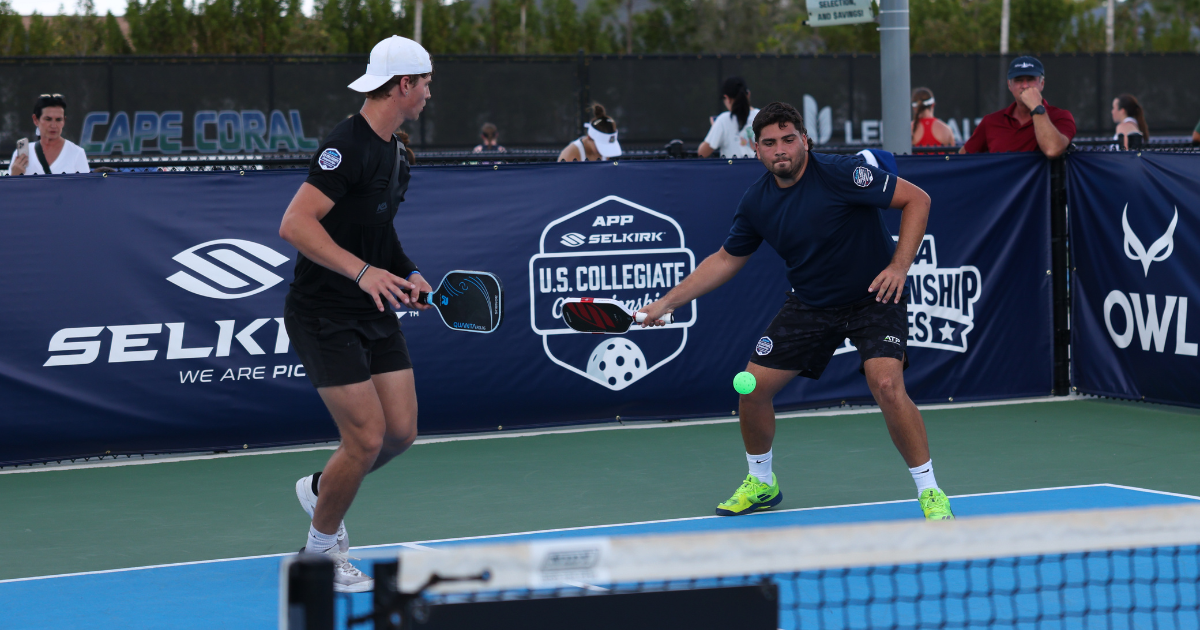
Photo by The APP
Before getting into what changes, it helps to know what doesn’t.
In both singles and doubles:
Serves are hit underhand
The serve must land diagonally in the correct service box
The two-bounce rule applies
Players cannot volley while standing in the non-volley zone
Games are typically played to 11, win by 2
So singles is not a completely different sport. It is the same game, but it plays very differently once the rally begins.
The Biggest Difference: Court Coverage
This is the most obvious change, and it affects everything else.
In doubles, two players share one side of the court. That means less ground to cover individually, more help in the middle, and more emphasis on teamwork and communication.
In singles, one player covers the entire court alone. That demands more speed, stamina, and precise movement. If your opponent stretches you wide or pulls you off the court, there is no partner there to help recover.
Doubles is more about positioning and shared responsibility. Singles is more about movement and court management.
Serving and Scoring Get Simpler in Singles
This is where many players notice the biggest rules difference between singles and doubles pickleball rules.
In singles, each player gets one turn to serve unless they win the rally and continue serving. The server starts on the right when their score is even and on the left when it is odd. Since there is only one player per side, there is no partner rotation to track.
In doubles, both players on a team usually get a chance to serve before the serve goes to the other team, except at the start of the game. That creates the first-server and second-server system that makes doubles scoring more confusing for beginners.
Singles scoring is simple because the score tells you where the server should stand. Doubles requires players to track the serving team’s score, the receiving team’s score, and whether the server is the first or second server.
Positioning Changes the Flow of the Game
Singles and doubles use the same court dimensions, but they do not use the court the same way.
In singles, players are constantly recovering, chasing angles, and trying to cover space without leaving too much open court. Efficiency matters, and so does fitness.
In doubles, movement is tighter and more coordinated. Partners usually move together, especially near the kitchen line, and communication becomes part of effective positioning.
A middle ball in singles is just another shot. In doubles, it can become a hesitation problem if neither player takes it.
The Serve and Return Mean Different Things
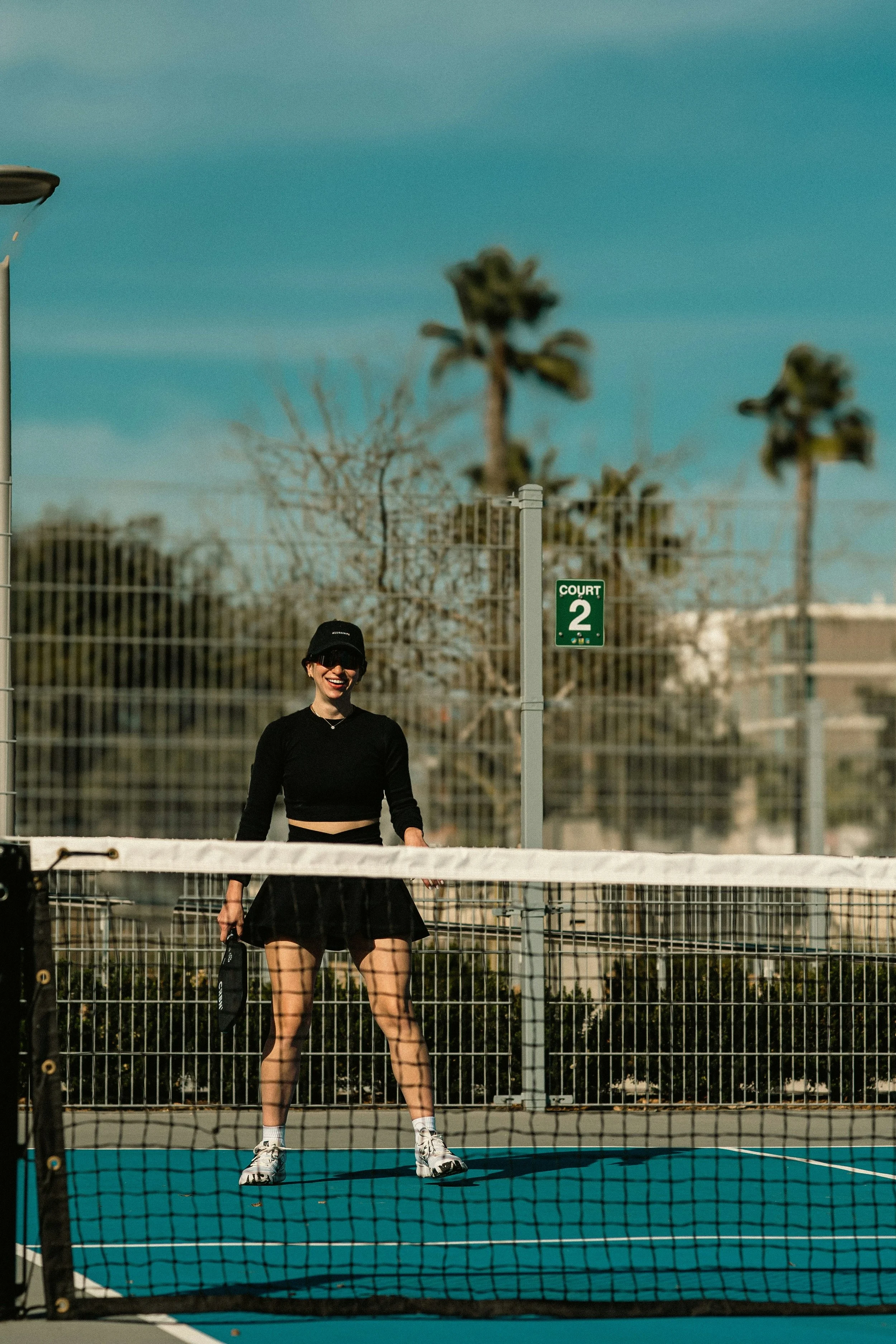
The serve and return rules are the same in both formats, but their purpose changes.
In doubles, the return team usually wants to hit deep and move both players toward the kitchen line as quickly as possible. In singles, the return is also used to make the server move immediately. A deep or angled return can pin the server back or pull them off the court early in the rally.
Same rule, different tactical goal.
The Kitchen Rule Stays the Same, But It Matters Differently
The non-volley zone rules do not change between singles and doubles. You still cannot volley while standing in the kitchen or let your momentum carry you in after a volley.
What changes is how often that area decides points.
In doubles, kitchen play is central. Dinks, speed-ups, counters, and hand battles are a huge part of the game. In singles, the kitchen still matters, but there are usually fewer extended dink rallies because there is more open court to attack.
Faults Are the Same, But the Mistakes Are Different
The official faults stay mostly the same in both formats. Hitting out, serving into the net, violating the two-bounce rule, or volleying from the kitchen are faults no matter what.
What changes is why those mistakes happen.
In singles, faults often come from overextending, rushing, or failing to recover enough court. In doubles, they are more likely to come from miscommunication, poor spacing, or trying to force attacks in quick exchanges.
Strategy and Shot Selection Change, Too
This is where singles and doubles really start to separate in how they’re played.
The biggest tactical difference is this: singles is about space, while doubles is about control.
In singles, players are trying to stretch opponents across the full court. Deep returns, sharp angles, passing shots, and aggressive balls into open space become more valuable because one player has to cover everything alone.
In doubles, teams usually win through positioning and patience. Soft dinks, resets, controlled speed-ups, and smart targeting matter more because the court is shared and both teams are fighting for net control.
That means the right shot often depends on the format. A drive that works in singles may get countered in doubles. A dink that helps build a doubles rally may leave too much open space in singles.
Final Thoughts
Pickleball singles and doubles share the same foundation, but they’re not the same experience.
Singles simplifies the structure and increases the physical demand. Doubles adds complexity to scoring and positioning while spreading the workload across two players.
If you switch between the two, don’t assume your habits will transfer perfectly. The rules may look nearly identical on paper, but the game asks very different things from you depending on how many players are on the court.
