

Pickleball Chafing for Women: Why It Happens and How to Deal With It
Chafing is one of those things nobody really talks about… but almost every woman who plays regularly has dealt with at some point.
It usually starts small. A little irritation. A spot that feels off during a game.
Then you get in the shower later and realize your skin is wrecked.
Pickleball makes this worse in a pretty specific way. You’re constantly changing direction, lunging, stopping, starting, and doing it all over again for long stretches. Sweat builds, fabric shifts, and your skin ends up taking the hit.
Most of the time, it shows up in the same places:
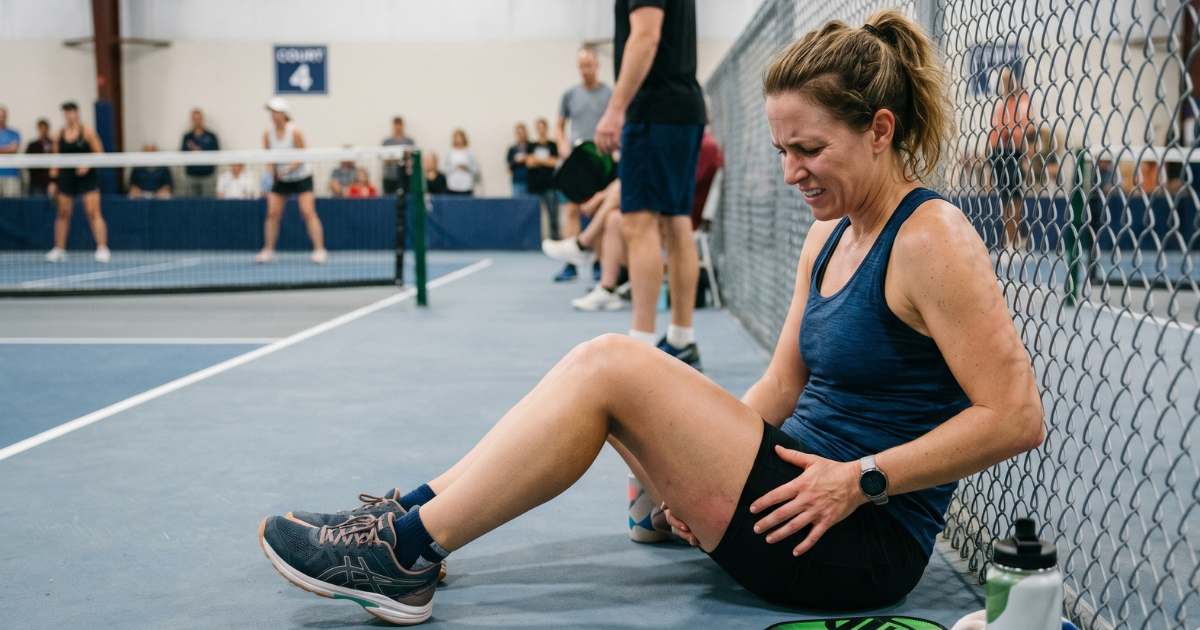
Inner thighs
Around the sports bra band or straps
Underarms
Groin folds
Feet
And once it starts, it doesn’t really go away mid-match unless you deal with it.
Where It Shows Up Most (and Why)
It’s usually not random. The spots that get hit the hardest are the ones dealing with the most friction, the most movement, and the most moisture all at once.
Inner Thighs
This is the most common one.
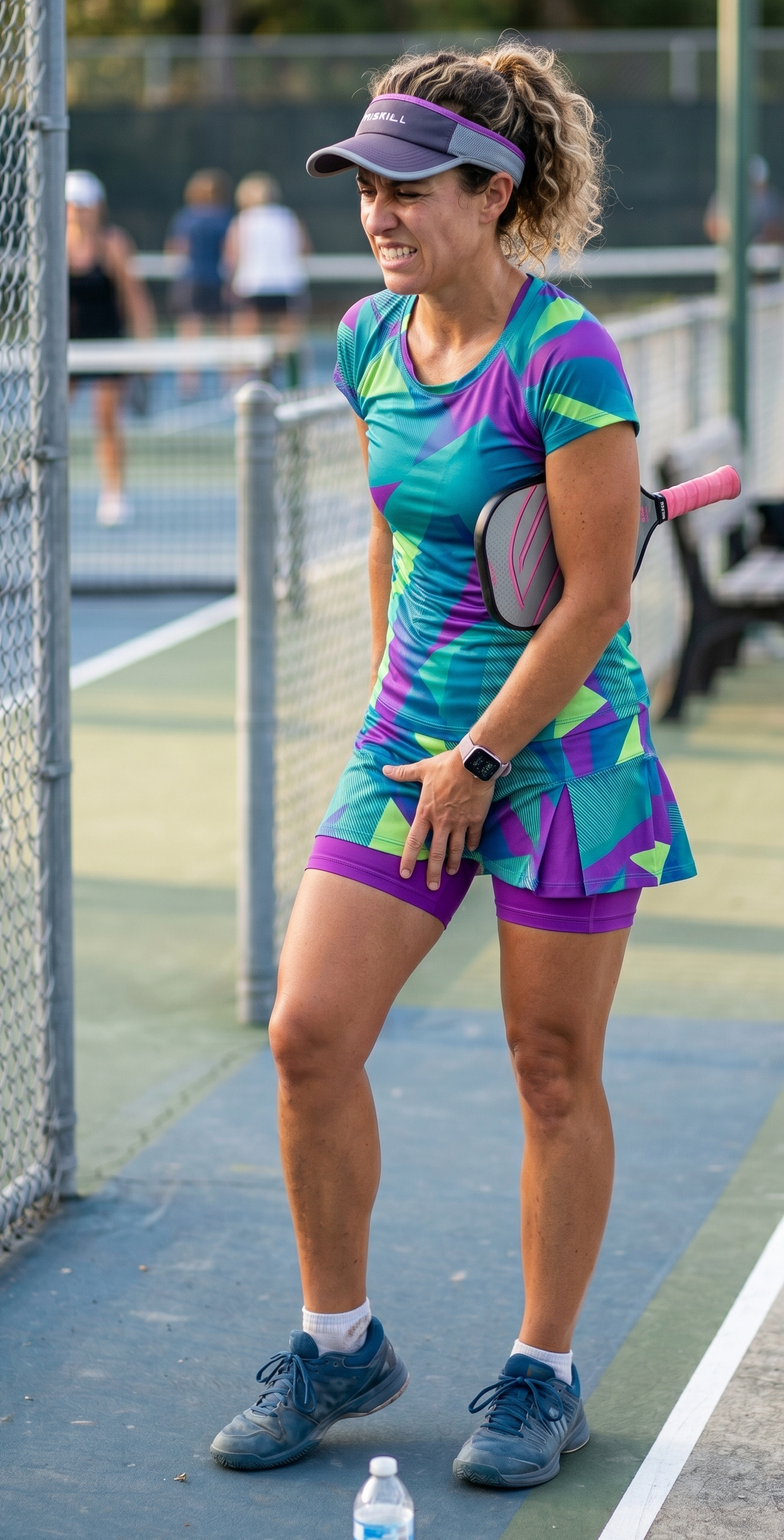
Shorts ride up, skin rubs, sweat builds, and now you’ve got friction every time you move. The longer you play, the worse it gets.
The biggest issue here isn’t effort or conditioning. It’s clothing that doesn’t stay where it should.
Sports Bra (Band + Straps)
This one tends to sneak up on people.
The bra shifts slightly during play, seams sit in the wrong spot, and with enough movement and sweat, that repeated contact turns into irritation.
You usually don’t notice it until later, which is why it catches people off guard.
Skin Folds / Groin Area
This is where heat and moisture sit the longest, which makes friction worse.
It can also get confusing here, because not every rash in this area is simple chafing. Some are caused by moisture-related skin irritation or even fungal issues, and they don’t respond the same way.
If something sticks around longer than a couple of days or keeps coming back, it’s worth paying attention to.
Why It Happens
Chafing comes down to three things working together:
Repeated friction
Moisture sitting on the skin
Heat
And here’s the part most people get wrong: sweat doesn’t reduce friction. It can increase it by making the skin more reactive to rubbing.
That’s why things can feel fine early in a session and then go downhill fast once everything is damp.
What Helps (and What’s Worth Fixing First)
You don’t need a complicated routine. You need to fix things that are actually causing it.
Start With Your Clothing
This is where most of the problem comes from.
Liners or shorts that don’t ride up
Seams that aren’t sitting in high-friction areas
Bras that stay in place instead of shifting during play
If something is moving, bunching, or rolling, it’s going to create friction no matter what product you use.
Manage the Sweat
Once your clothes are soaked, friction ramps up.
Towel off between games when you can
Change out of damp clothes after playing
Skip fabric softener or athletic gear since it can mess with how fabrics handle sweat
Use Products That Make Sense
Different situations call for different things:
Before playing: anti-chafe balm on known problem areas
During irritation: barrier ointment to protect the skin
If skin is already raw: cover it so it’s not constantly rubbing
If you’re looking for something that holds up through sweat and long sessions, products like Überlube are designed to reduce friction and prevent chafing without wearing off quickly.
Stacking multiple products on top of each other usually makes things worse, not better.
Don’t Ignore It Early
That slight burning feeling mid-game is the early warning sign.
Once the skin breaks down, you’re dealing with a completely different problem that takes longer to calm down.
Prepare Now So You Don’t Deal With It Mid-Game
You don’t want to be mid-match trying to figure this out.
If you feel it starting:
Step off and dry the area
Reapply whatever you’re using
Adjust your clothing
Pushing through it usually makes the rest of your court time worse.
And it’s worth keeping a few things in your bag:
Anti-chafe balm
Barrier ointment
Small towel
Backup shorts or underwear
Bandages for spots that are already irritated
This isn’t just about being uncomfortable. Chafing can change how you move, cut sessions short, and turn into something that can linger for days.
And if it keeps happening, it starts affecting how often you even want to play.
